


Top Filipino Designers for Custom Debut Gowns
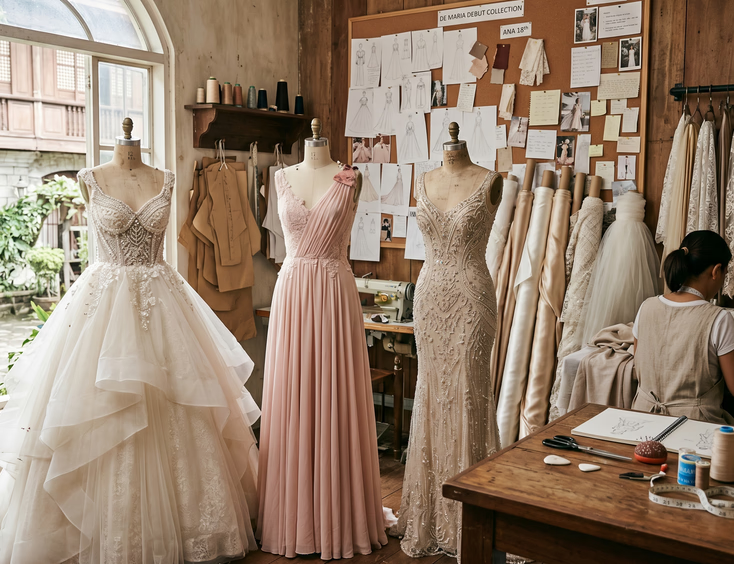
Filipino designers carry a quiet superpower most debutantes overlook: they understand Filipino bodies, Filipino climate, and Filipino celebration culture in ways imported labels cannot match. The same gown that looks effortless on a runway model in Milan can fight a Filipino debutante's proportions, sweat through a humid Tagaytay garden, and clash with the cultural rhythm of an 18 Roses ceremony.
Choosing a Filipino designer for your debut gown means working with someone who has dressed countless debutantes, brides, and reinas before you. They know how a gown needs to move through a grand entrance, sit through dinner, dance the cotillion, and hold its shape under venue lighting. The question is not whether to hire a Filipino designer. The question is which one. If you are still mapping out your overall planning approach, the complete Filipino debut guide gives you the broader framework before committing to a designer.
Why Filipino Designers Outperform Imported Gowns for Debuts
Imported gowns from China, Korea, or Europe arrive with their own assumptions. The proportions, the structure, the fabric weight, and the construction all reflect the bodies and climates they were built for. Filipino designers build differently.
Filipino designers understand:
- Local body proportions, including shorter torso lengths and rounder hip-to-waist ratios common among Filipino women
- Tropical climate construction with lighter linings, breathable fabrics, and structures that hold up through humidity
- Filipino debut culture, including the 18 Roses procession, the cotillion choreography, and the long program runtime
- Local supplier networks for bead work, embroidery, and custom embellishment
- Realistic timelines and fitting cycles that match Filipino debut planning patterns
The cost difference often surprises debutantes. A custom Filipino designer gown sometimes costs less than a high-end imported gown plus alterations. The build quality matches or exceeds international labels in the right hands.
For broader gown direction before choosing your designer, read how to choose the perfect debut gown for your body type.
What Custom Means in the Philippines
Filipino "custom" gowns range from semi-custom alterations of a designer's existing pattern to fully built-from-scratch couture pieces. Understanding the difference saves you money and disappointment.
Semi-custom work uses an existing silhouette from the designer's portfolio, with adjustments to fit your measurements, color choices, and minor design tweaks. Fabric and embellishment selections come from the designer's inventory or close substitutes. Timeline runs three to four months. Cost falls in the mid-range.
Full custom work starts from sketches based on your inspiration, body type, and theme. Every element gets designed from scratch including silhouette, neckline, fabric selection, embellishment placement, and construction details. Timeline runs four to six months minimum. Cost runs significantly higher.
Both produce stunning results in the right hands. Ask designers directly which tier they offer and which fits your budget and timeline.
Established Filipino Designers Worth Considering
The names below represent established designers with strong debut and bridal portfolios. Each carries different aesthetic strengths.
Mark Bumgarner builds modern, sophisticated gowns with clean silhouettes and refined embellishment. His work suits debutantes who want elegance without excessive ornamentation. His studio handles both bridal and special occasion wear with consistent quality. Best for minimalist, modern fairytale, or sophisticated garden themes.
Vania Romoff produces romantic, soft, and feminine designs with attention to fabric movement and ethereal styling. Her gowns photograph beautifully in natural and warm indoor lighting. Best for garden debuts, soft fairytale themes, and debutantes who want flow over structure.
Francis Libiran built his reputation on dramatic, glamorous gowns with bold embellishment and sculptural silhouettes. His work suits debutantes who want to make a statement, especially for grand ballroom debuts. Best for fairytale themes with maximalist styling and Hollywood-inspired aesthetics.
Patricia Santos creates feminine, dreamy gowns with intricate detailing and romantic fabric choices. Her bridal-heavy portfolio translates well to debut work. Best for fairytale, garden, and soft romantic themes.
Mak Tumang produces theatrical, royal-inspired gowns with elaborate construction. His work has dressed Miss Universe candidates and high-profile clients. Best for debutantes who want dramatic, regal styling, especially for fairytale and grand ballroom debuts.
Cary Santiago builds artistic, architectural gowns with sculptural silhouettes and unique embellishment techniques. His work suits debutantes who want gowns that feel like wearable art. Best for editorial, minimalist, or modern themes.
Albert Andrada combines clean lines with sophisticated embellishment for elegant, polished gowns. Best for classic, sophisticated, and ballroom-themed debuts.
Jor-El Espina produces modern, fashion-forward gowns with editorial sensibility. His work suits debutantes who want contemporary, trend-aware styling. Best for minimalist, modern Korean-inspired, or editorial themes.
To match designer choice with your specific theme, browse trending debut theme ideas for the modern Filipino debutante.
Rising and Mid-Range Filipino Designers
Established names carry premium pricing. Mid-range and rising designers offer custom work at more accessible costs without sacrificing quality.
Renee Salud built his reputation on Filipiniana-inspired pieces and traditional construction. His work suits debutantes who want cultural elements integrated into their gown.
Avel Bacudio creates dramatic, theatrical gowns with strong construction and bold styling. Mid-range pricing with high-end results.
Edgar San Diego works with both bridal and debut clients, producing refined, romantic gowns with traditional construction techniques.
Eric Pineda is known for film and stage costuming alongside special occasion wear. His theatrical eye serves debutantes who want gowns with strong visual presence.
Hindy Weber Tantoco runs Folded and Hung and Anthill Fabric Gallery, with a sustainable, artisan approach to special occasion wear featuring local Filipino textiles.
Aira Medina, Veejay Floresca, and Hannah Kong represent the newer generation of Filipino designers building strong portfolios with fresh aesthetic perspectives.
To match your budget with your designer choice, read how much a debut costs in the Philippines and how to plan a debut on a budget without compromising style.
Designers Who Specialize in Specific Body Types
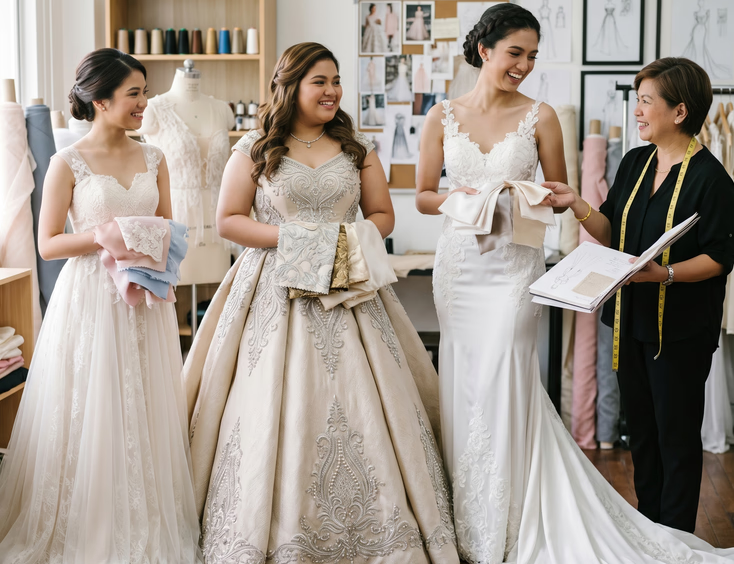
Some Filipino designers handle specific body types or sizes better than others. Choosing based on this match increases your odds of a flattering result.
For petite frames under 5'4", designers experienced with smaller proportions matter. Vania Romoff and Mark Bumgarner both tailor petite frames well with proportional embellishment and proper hem lengths.
For plus-size or fuller-figured debutantes, designers with inclusive portfolios deliver better fits. Francis Libiran, Cary Santiago, and Aira Medina all dress fuller figures with skill. Avoid designers whose portfolios show only one body type.
For tall frames over 5'8", designers who understand vertical proportion matter. Mak Tumang and Francis Libiran both handle tall frames well with proper hem lengths and balanced embellishment placement.
For athletic or muscular builds, designers who can work with broader shoulders and stronger upper bodies help. Jor-El Espina and Mark Bumgarner both tailor athletic frames without minimizing their shape.
Ask designers directly during your consultation about their experience with your specific body type. Look at their portfolios for clients with similar proportions to yours.
Finding the Right Designer for Your Theme
Designer aesthetic matters more than designer fame. Pairing the wrong designer with your theme creates a beautiful gown that fights your celebration.
For fairytale debuts, designers with dramatic, romantic, princess-coded portfolios work best. Mak Tumang, Francis Libiran, and Patricia Santos all carry strong fairytale aesthetics. To explore this theme, read fairytale debut theme inspiration and styling tips.
For garden debuts, designers who work with lighter fabrics, flowing silhouettes, and romantic styling suit better. Vania Romoff, Patricia Santos, and Hindy Weber Tantoco all produce gowns that move beautifully outdoors. Read garden debut theme creating a romantic outdoor celebration for theme direction.
For Korean-inspired debuts, designers with editorial, modern, or East Asian-influenced portfolios work best. Cary Santiago, Jor-El Espina, and Mark Bumgarner all carry sensibilities that translate to Korean aesthetics. Read Korean-inspired debut ideas for K-culture lovers for theme guidance.
For minimalist debuts, designers with restraint, clean construction, and editorial sensibility serve better. Mark Bumgarner, Jor-El Espina, and Cary Santiago all work well in minimalist directions. Read minimalist debut theme elegant ideas for the understated debutante for direction.
The Initial Consultation Process
Your first meeting with a designer shapes the entire process. Prepare carefully.
Bring to your consultation:
- A mood board with at least 10 to 15 reference images
- Photos of yourself in various silhouettes to discuss what flatters you
- Your venue details and floor plan if available
- Your color palette swatches or Pantone references
- Your budget range
- Your debut date and key fitting timeline preferences
- Photos of past debut details like stage design, theme, and lighting
The designer evaluates:
- Whether their aesthetic matches your vision
- Whether your budget aligns with their pricing tier
- Whether the timeline allows for their construction process
- Whether they can deliver what you want with their team's capabilities
- Whether you communicate well together
Some consultations are free, others charge a small fee that gets credited toward your gown if you proceed. Ask upfront about consultation costs.
Walk away from designers who:
- Push you toward silhouettes that do not flatter your body type
- Cannot show portfolio work for similar body types or themes
- Refuse to commit to a clear timeline or fitting schedule
- Pressure you to commit before you compare options
- Quote vague pricing without breaking down what costs include
A good designer asks more questions than they answer in the first consultation. They want to understand your vision before pitching theirs.
The Custom Gown Timeline
Custom Filipino designer gowns require time. Compressed timelines compromise quality.
A realistic timeline:
- Eight to twelve months out: research designers, attend consultations, finalize choice
- Six to eight months out: sign contract, pay deposit, finalize design sketches
- Four to six months out: first fitting with muslin or base pattern construction
- Three to four months out: second fitting with actual gown fabric and construction in progress
- Two to three months out: third fitting with embellishment and detailing complete
- One month out: fourth fitting for final adjustments
- Two weeks out: final fitting with all accessories
- One week out: final pickup and at-home check
Some designers compress this to three or four months for semi-custom work. Fully custom gowns under three months risk quality problems, rushed embellishment, and incomplete fittings.
If you have less than three months, consider semi-custom alterations of an existing pattern rather than fully custom construction.
Pricing Reality for Filipino Designer Gowns
Custom Filipino designer gowns range widely in price based on designer reputation, complexity, fabric, and embellishment.
Rough pricing tiers:
- Rising and mid-range designers charge PHP 80,000 to PHP 200,000 for custom debut gowns
- Established mid-tier designers charge PHP 200,000 to PHP 400,000
- Top-tier celebrity designers charge PHP 400,000 to PHP 1,000,000 or higher
- Couture-level commissions can exceed PHP 1,500,000 for elaborate constructions
Factors that increase cost:
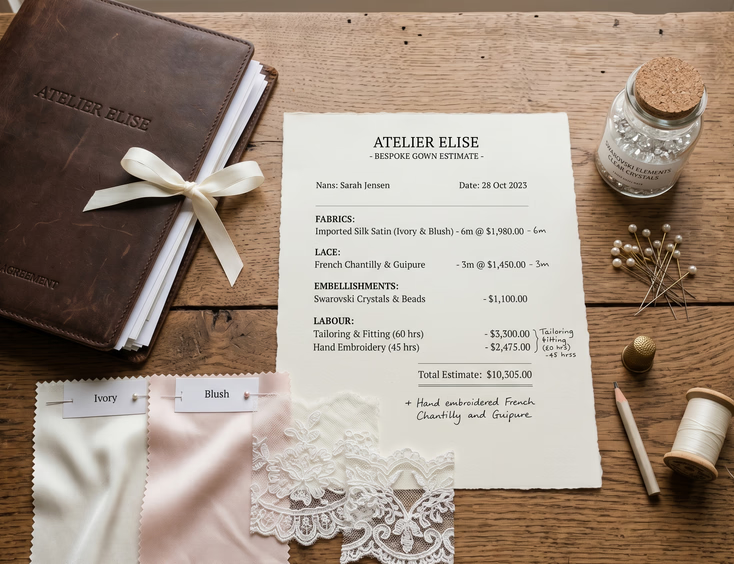
- Imported fabrics like silk satin, French lace, or Italian tulle
- Hand-beaded embellishment with Swarovski crystals or pearls
- Custom embroidery and applique work
- Multiple fittings and design revisions
- Detachable trains, capes, or convertible elements
- Rush timeline charges for compressed schedules
Factors that decrease cost:
- Local fabrics including Filipino piña, jusi, or local satin variants
- Simpler embellishment with stock beadwork or laser-cut patterns
- Semi-custom adaptation of existing patterns
- Standard fitting cycles without revisions
- Off-peak booking outside June-to-December debut season
Ask designers for itemized quotes that break down fabric, labor, embellishment, fittings, and any add-ons. Vague quotes hide cost overruns later.
Renting vs. Buying Custom Gowns
Some Filipino designers rent gowns from their existing inventory. This option suits debutantes with smaller budgets who want designer quality without full purchase pricing.
Rental pricing runs roughly 30 to 50 percent of the gown's retail value. The gown returns to the designer after the event for future rentals.
Rental considerations:
- Limited availability based on existing inventory and previous rentals
- Limited customization beyond fit alterations
- Return obligations that can complicate post-event cleanup
- Damage charges if the gown sustains stains, tears, or other issues
- No option to keep the gown as a keepsake
Some designers offer rent-to-buy arrangements where the rental fee applies toward purchase if you decide to keep the gown after the event.
For debutantes who want custom designer quality with smaller budgets, asking about rentals during consultations opens options many do not consider.
What Multiple Fittings Should Cover
Each fitting serves a specific purpose. Skipping fittings or compressing them creates problems.
First fitting purposes:
- Test the base pattern or muslin mockup
- Confirm proportions, neckline, and silhouette feel right
- Adjust major construction elements before fabric cutting
Second fitting purposes:
- Try the gown in actual fabric with primary construction complete
- Test the fit through the bust, waist, hips, and back
- Confirm fabric weight and movement on your body
- Approve fabric color and texture under different lighting
Third fitting purposes:
- See embellishment placement and density
- Test full mobility with structured construction in place
- Confirm hem length with debut shoes on
- Walk through ceremony movements like grand entrance, sitting, and dancing
Fourth fitting purposes:
- Make final minor adjustments to fit and finish
- Confirm all closures, zippers, and structural elements work
- Test the gown with all accessories including undergarments and shoes
Final fitting purposes:
- Confirm the gown is event-ready
- Test movement through your full program
- Receive instructions on dressing, undressing, and care
- Pick up the gown in protective packaging
Bring your debut shoes, undergarments, and any accessories to every fitting from the second onward. Hem lengths and proportions all depend on these elements.
Coordinating Designer With Your Stylist
Some debutantes work with a separate stylist who coordinates the overall aesthetic including hair, makeup, accessories, and gown details. This person bridges your designer, MUA, hairstylist, and coordinator.
A stylist can:
- Help you choose a designer whose aesthetic matches your vision
- Coordinate fittings with hair and makeup trials
- Source accessories that complement the gown
- Manage timeline pressure between vendors
- Translate your vision across multiple suppliers
Stylist fees range PHP 30,000 to PHP 150,000 depending on experience and scope.
Not every debutante needs a stylist. Confident debutantes who have done thorough research can coordinate suppliers directly. But for complex multi-look debuts or unusual themes, the investment often pays for itself in avoided mistakes.
For broader supplier coordination, read essential debut suppliers you need to book early.
Designer Red Flags to Avoid
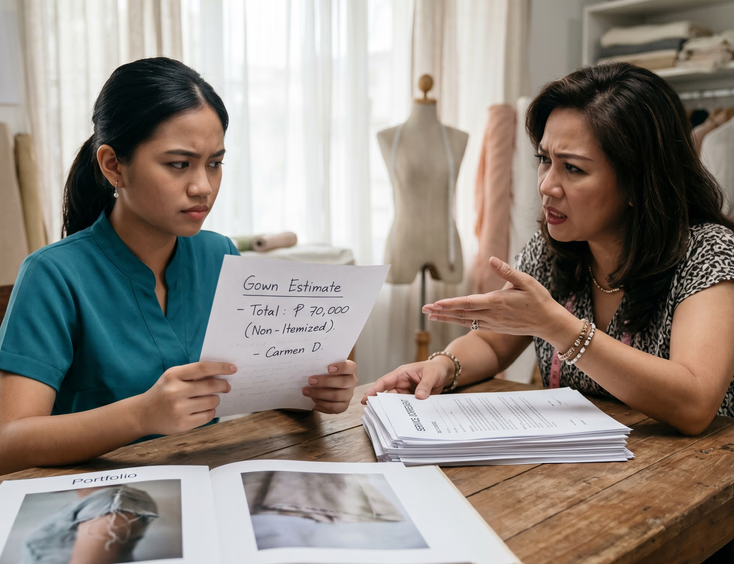
Some warning signs justify walking away from a designer commitment.
Red flags:
- Cannot show original work, only references to other designers' looks
- Pressures you to sign contracts without consultation
- Refuses to provide written contracts with timeline and pricing details
- Asks for full payment upfront before any design work
- Has visible quality issues in portfolio photos like uneven hems, loose threads, or misaligned embellishment
- Cancels or reschedules consultations multiple times
- Communicates poorly through chat or email
- Cannot provide references from past clients
- Quotes wildly different prices than industry standards without explanation
- Promises unrealistic timelines like fully custom in six weeks
Reputable Filipino designers maintain professional contracts, clear communication, and honest timelines. Walk away from anyone who treats your debut casually.
Backup Plans for Designer Delays
Custom gown construction occasionally runs late. Have a backup plan even with established designers.
Protective steps:
- Schedule your final fitting at least three weeks before your debut, not one week
- Keep a backup gown option researched but not purchased, like a rental from another supplier
- Have your second-look gown ready earlier than your main gown if you wear two
- Build buffer time into your designer's commitments
- Document all communications in writing for accountability
If your designer announces a delay close to your event, escalate immediately. Ask for compensation, faster turnaround on remaining work, and clear updates on completion.
If the delay risks your event, activate your backup plan. Renting from another supplier or buying off-the-rack with rush alterations beats wearing an incomplete custom gown.
Caring for Your Custom Gown
Your designer gown represents significant investment. Care for it accordingly.
Before the event:
- Hang the gown immediately upon pickup, never store folded
- Use a padded hanger for heavy gowns to prevent shoulder distortion
- Cover with a breathable fabric garment bag, never plastic
- Store in a climate-controlled space away from sunlight and humidity
On the day:
- Bring the gown in its garment bag to the venue
- Dress with assistance from your team to avoid pulling or tearing
- Have an emergency kit with safety pins, double-sided tape, and a small sewing kit
- Coordinate with your coordinator for bathroom assistance during the event
After the event:
- Have the gown professionally cleaned within two weeks
- Ask your designer for cleaning recommendations specific to the fabric and embellishment
- Store in a preservation box if you want to keep it long-term
Some debutantes resell their designer gowns through secondhand designer markets. Filipino designer gowns hold their value better than imported fast-fashion gowns.
Working With Designers as a First-Time Client
Many debutantes feel intimidated by designer consultations. Established designers dress celebrities, brides, and reinas all year. Walking into their studio for your first custom commission can feel overwhelming.
Confidence builders:
- Research the designer's portfolio thoroughly before your consultation
- Prepare a clear mood board and design brief
- Know your budget before discussing pricing
- Bring a trusted friend or stylist for a second opinion
- Ask questions about every element you do not understand
- Trust your instincts about the relationship fit
Designers want clients who communicate clearly and respect the process. Be honest about your budget, your timeline, and your concerns. The best collaborations happen when both sides know what they are working toward.
Common Designer Gown Mistakes
Filipino debutantes who choose designers well avoid these traps:
- Picking a designer based on celebrity status rather than aesthetic fit
- Booking too late and rushing the construction timeline
- Refusing to consider rising designers who could deliver equal quality at lower cost
- Letting parents or family override the debutante's vision and stylist recommendations
- Skipping fittings or arriving unprepared without proper shoes and undergarments
- Mid-process design changes that cascade into delays and cost overruns
- Choosing a designer outside Manila or Cebu without considering travel costs for fittings
The right designer respects your vision, fits your timeline, matches your aesthetic, and stays within reach of your budget. Take time to find that combination. Your debut deserves a gown built specifically for you. For wider planning pitfalls, read common debut planning mistakes every debutante should avoid.
A custom Filipino designer gown signals more than just a beautiful dress. It signals that you took the time to honor your celebration, your body, your story, and the craftsmen who build it. Choose carefully, plan ahead, and trust the process.
Still Searching for a Right Match?
Find Your Perfect Wedding Supplier Today!
Discover trusted wedding suppliers across the Philippines in our complete directory. Compare services and connect with the ones that fit your dream celebration.
Browse Wedding SuppliersFeatured Blog Posts

Filipino Wedding Entourage - Roles, Order of March, and Modern Etiquette
6 mins readCivil Weddings in the Philippines - Requirements, Costs, and Step-by-Step Process
9 mins readCivil Wedding Requirements in the Philippines - Complete Checklist
6 mins readCost of Wedding in the Philippines - 5 Essential Things You Need to Know
7 mins readPrincipal Sponsors (Ninong/Ninang) - How Many, How to Ask, What They Really Do
4 mins readVeil, Cord, Candle & Coins - Roles, Options, and When They Happen
4 mins readEntourage for a Traditional Pinoy Wedding - Complete Roles and Guide
6 mins readComplete List of Civil Wedding Requirements in the Philippines
8 mins readHow to Choose Wedding Ninongs and Ninangs - Ask Yourself These 3 Important Questions
5 mins read