

Tinghun vs. Pamamanhikan: What Is the Difference and Which One Do You Need
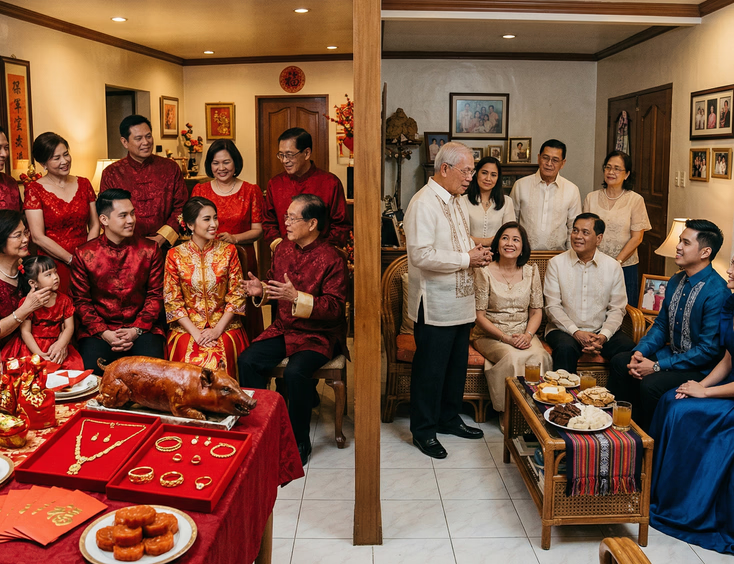
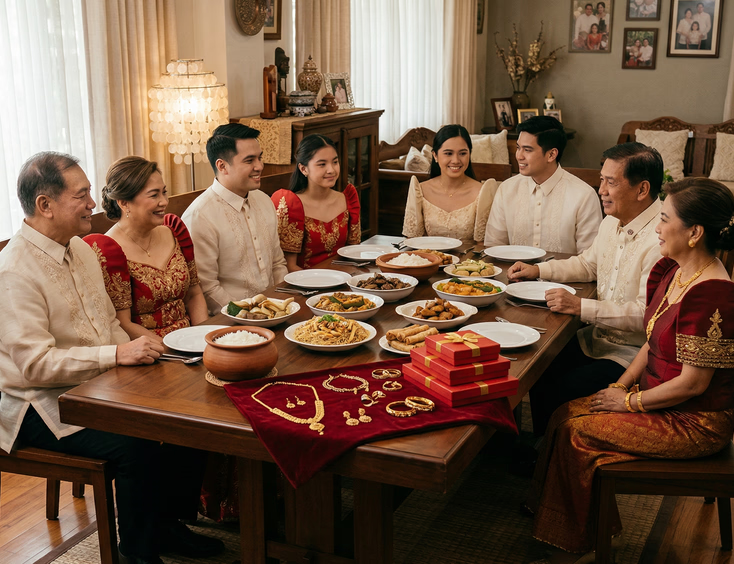
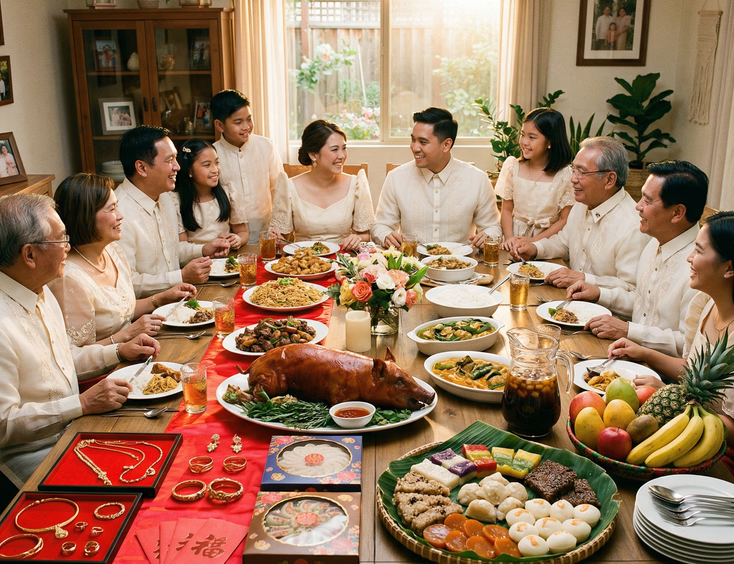
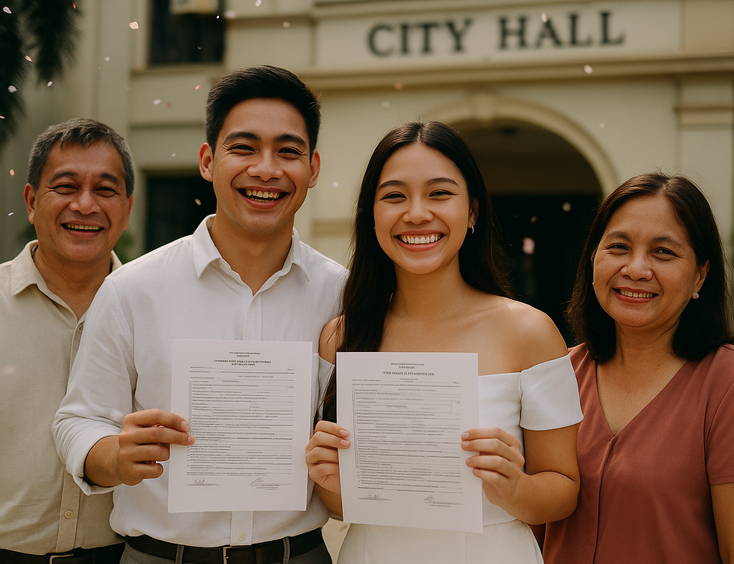
Two families sit down together before the wedding. The groom's side brings gifts. The elders speak. A blessing is given over food. Whether the family calls it a Tinghun or a pamamanhikan depends on where they come from, but the instinct behind both ceremonies is the same: the marriage begins with the families, not the venue booking.
If someone in your family has used both words and you are not sure which applies to you, or whether you need both, this is where to start.
The Short Answer
The Tinghun is a Filipino-Chinese engagement ceremony rooted in Hokkien-Chinese tradition. The pamamanhikan is a Filipino Catholic tradition practiced across the broader Filipino community. Both involve the groom's family formally visiting the bride's family to ask for her hand. Beyond that shared premise, the two ceremonies differ in origin, structure, ritual elements, and what each one communicates.
Where Each Tradition Comes From
The Tinghun traveled to the Philippines with Fujianese-Chinese immigrants, most of whom settled in Manila and Cebu. Their descendants, the Tsinoy community, preserved it as a foundational pre-wedding ceremony. The word itself comes from Hokkien and means "fixed marriage." The ceremony formalizes the engagement at the family level, and it carries Chinese cultural beliefs about luck, abundance, and family honor into every element, from the gifts to the food to the date chosen for the visit.
The pamamanhikan predates the Tinghun's arrival in Filipino mainstream culture. It comes from the Tagalog word "manhik," meaning to go up the stairs or to enter a home. The groom, accompanied by his family, visits the bride's family home to formally ask for permission to marry her. The tradition is rooted in Filipino Catholic values: respect for parents, humility before elders, and the family's role in sanctioning the union.
Both traditions survived because they reflect values that Filipino culture has never let go of: family approval matters, elders deserve formal respect, and a marriage is a family event before it is a personal one.
For a deeper look at the Tinghun's cultural roots and why it spread beyond the Tsinoy community, What Is Tinghun and Why It Still Matters in Filipino Culture Today covers that history in full.
How the Two Ceremonies Differ
The Gifts
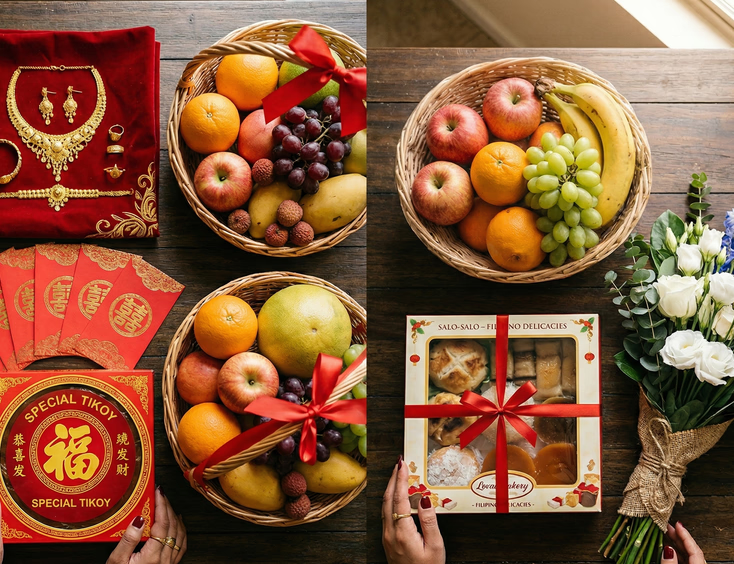
The Tinghun has a defined gift list with symbolic meaning attached to each item. The groom's family brings gold jewelry for the bride, typically a full set: necklace, bracelet, earrings, and ring. They also bring food items like tikoy, whole lechon, fruits, and sometimes cash in red ang pao envelopes. Each gift corresponds to a specific wish: prosperity, longevity, togetherness, abundance. The presentation of these gifts follows a protocol, and the bride's family receives them formally.
The pamamanhikan has no fixed gift list. The groom's family typically brings food or pasalubong as a gesture of goodwill, but the items carry no prescribed symbolic meaning. The focus of the visit is the conversation, the asking, and the family's response, not the gifts.
The Date
Tinghun families choose the date with care. A Chinese almanac or a feng shui practitioner helps identify an auspicious day based on the couple's birth years and Chinese calendar considerations. An inauspicious date is avoided even if it is otherwise convenient.
Pamamanhikan families choose a date based on availability and family schedules. No almanac is consulted. A Sunday afternoon that works for everyone is a perfectly acceptable choice.
The Ritual Elements
The Tinghun follows a structured sequence. The groom's family arrives, gifts are presented and received, elders speak, blessings are exchanged, and a meal is shared. Some families include prayers or specific rituals tied to Chinese custom. The ceremony has a beginning, a middle, and a recognizable end.
The pamamanhikan is less scripted. The groom's family arrives, introductions are made, the groom or his father formally asks for the bride's hand, the family responds, and everyone eats together. The conversation is the ceremony. There is no fixed script for what gets said or how.
The Language and Symbolism
In a traditional Tinghun, elders may speak in Hokkien, Filipino, or both. The color red dominates the decor and the gift wrapping. Numbers matter: even numbers are preferred, and specific quantities carry meaning. The symbolism is layered and specific to Chinese cultural belief.
In a pamamanhikan, Filipino is the primary language. There is no color requirement, no number protocol, and no symbolic framework beyond the act of asking and receiving an answer.
Which One Do You Need
If you are Filipino-Chinese
Your family observes the Tinghun. This is the ceremony your elders expect, and skipping it carries real social and familial consequences. Some Filipino-Chinese families hold the Tinghun and then hold a separate, more casual family gathering afterward, but the Tinghun itself is not optional in most Tsinoy households.
If you are Filipino with no Chinese heritage
Your family observes the pamamanhikan. This is the pre-wedding tradition your elders grew up with. A pamamanhikan where the groom's family visits, asks formally, and shares a meal covers everything your family expects.
If you come from a mixed Filipino and Filipino-Chinese family
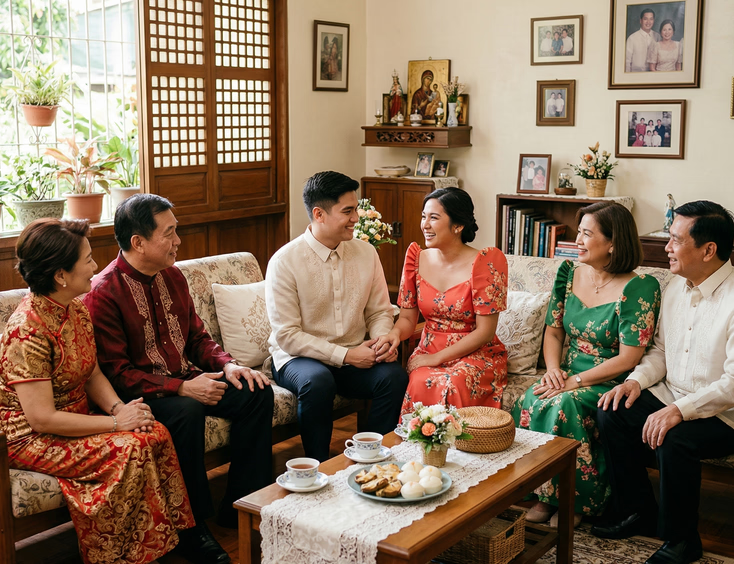
You may need both, or a version of one that incorporates elements of the other. Many couples in this situation hold a Tinghun that follows the Chinese-Filipino format, with the traditional gifts and the structured ceremony, and frame the visit in a way that also satisfies the Filipino pamamanhikan expectation. The two traditions are compatible because their intent is identical: the groom's family formally enters the bride's family home and asks for the marriage to be blessed.
The practical approach is to talk to both sets of parents early. Find out which elements each family considers non-negotiable. A couple whose groom comes from a Tsinoy family and whose bride comes from a Catholic Filipino family usually finds that both families are more flexible than expected, as long as the formal ask happens and the elders are honored.
A wedding coordinator with experience in both traditions can help you design a ceremony that satisfies both families without the event feeling forced or inconsistent. Browse Wedding Planners and Coordinators to find professionals who have handled exactly this kind of blended ceremony.
Can You Hold Both
Yes. Some families hold both ceremonies separately. The Tinghun happens first, following the Chinese-Filipino format with the full gift presentation and structured ritual. A pamamanhikan-style visit follows at a later date, or the two are combined into one gathering.
Combining them works when both families agree on the sequence and the elements. The key is clarity: each family should understand which tradition is being honored, why, and what role they play. Ambiguity about the ceremony's structure is the most common source of tension in blended pre-wedding celebrations.
What Both Ceremonies Share
Strip away the gifts, the almanac, the ang pao, and the tikoy. Strip away the Tagalog asking and the Sunday afternoon timing. Both ceremonies exist to do one thing: give the families a formal, shared moment before the wedding begins.
The couple may have decided privately. The ring may already be on her finger. But neither family has said yes out loud, in front of each other, until the Tinghun or the pamamanhikan happens. That shared yes is what both ceremonies deliver.
Filipino weddings carry an enormous amount of family involvement because Filipino culture has always treated marriage as a family matter. Both the Tinghun and the pamamanhikan reflect that. The ceremony you hold depends on your family's heritage. The reason you hold it is the same either way.
For a complete guide to planning the Tinghun, from choosing a date to preparing the gifts to understanding the etiquette, read Tinghun: The Complete Guide to the Traditional Filipino Engagement Ceremony. For a breakdown of the full ceremony sequence, A Step-by-Step Guide to What Happens During a Tinghun Ceremony walks through every stage of the event.
Still Searching for a Right Match?
Find Your Perfect Wedding Supplier Today!
Discover trusted wedding suppliers across the Philippines in our complete directory. Compare services and connect with the ones that fit your dream celebration.
Browse Wedding SuppliersFeatured Posts
Regional Wedding Customs Every Filipino Couple Should Know
23 mins readThe Complete Guide to Filipino Wedding Invitations: From Traditional Customs to Modern Trends
12 mins readThe Complete Filipino Couple's Guide to Wedding Rings & Bands in the Philippines: Traditions, Styles, Budgets & Where to Buy
22 mins read