

Tinghun Venue Ideas in the Philippines: From Intimate Homes to Private Dining
The venue shapes the ceremony before a single gift is exchanged. A cramped dining room makes the ritual feel rushed. A space that fits the guest count and the formality of the occasion lets both families settle in and focus on what matters.
These are the venue options Filipino families use most, from the simplest to the more formal.
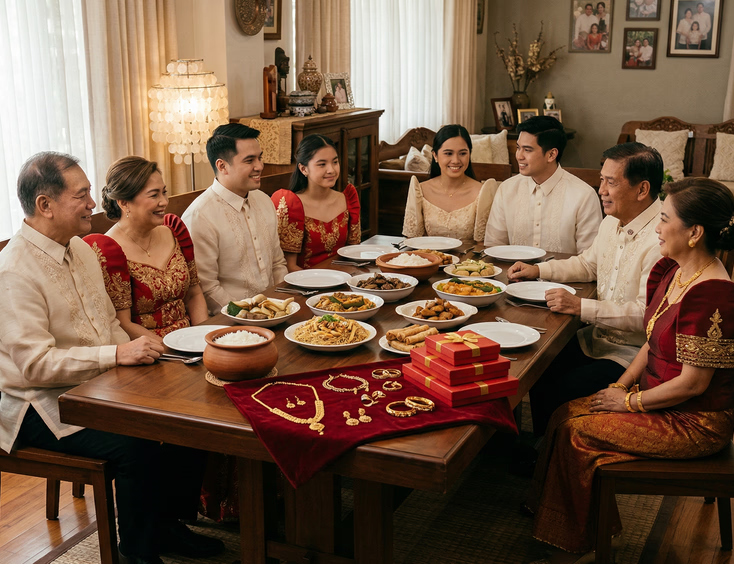
The Family Home
Most tinghun ceremonies happen in someone's home, usually the bride's family's residence. The living and dining areas get rearranged, extra chairs come in, and the table holds the ceremonial gifts.
Hosting at home works when the guest list stays tight, typically immediate family and close relatives on both sides. It keeps the atmosphere personal and lowers costs significantly. The tradeoff is space. If either family runs large, a standard Philippine home fills up fast and the ceremony feels compressed.
If you plan to host at home, walk through the space with your guest list in mind. Thirty people in a 40-square-meter living room leaves no room for the ceremonial presentation of gifts, let alone a proper meal after.
A Relative's Larger Home
Some families borrow a cousin's house, a parent's home in a gated subdivision, or a grandparent's ancestral property. This is a practical move when the couple's immediate family home is too small but both families want to keep the setting private and residential.
Larger homes in subdivisions or province properties often have covered patios, garden areas, or extended dining rooms that handle 40 to 60 guests without crowding. The setting stays intimate even with a bigger group.
Coordinate early. Borrowing a family property means another household adjusts their schedule, prepares their space, and handles cleanup. Give them enough lead time.
Private Dining Rooms in Restaurants
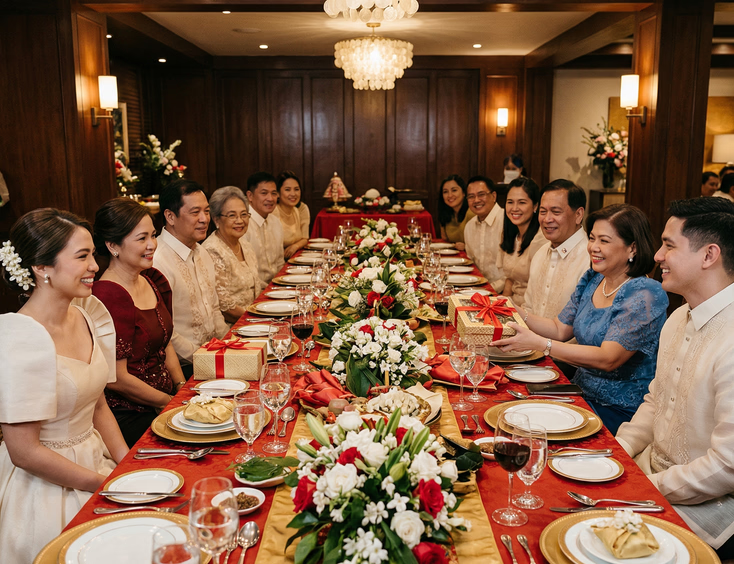
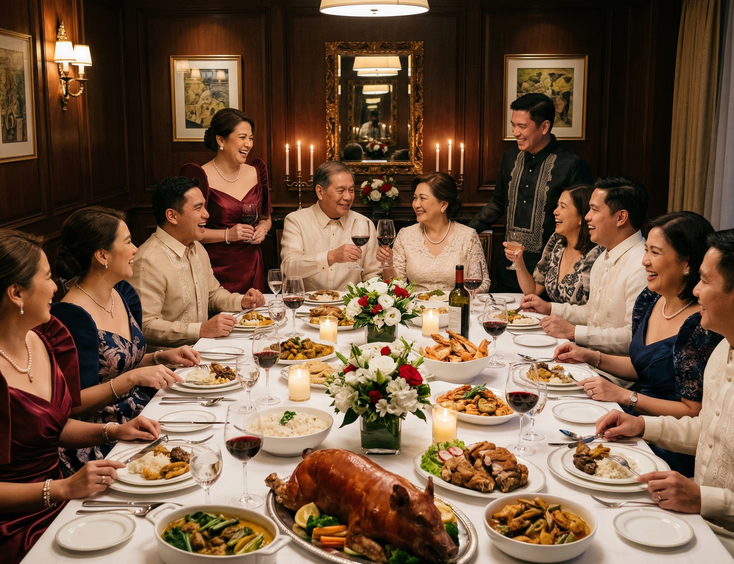
Restaurants with private dining rooms have become a popular choice for families who want a neutral, managed venue. Neither family owns the space, which removes any perceived advantage or hosting burden on one side.
In Metro Manila, most mid-range to upscale Filipino restaurants offer private rooms that seat 20 to 50 guests. Some families book the entire restaurant for exclusivity. Look at:
- Romulo Café (Quezon City, Makati) for a Filipino heritage setting
- Manam (multiple locations) for a more contemporary feel
- Milky Way Café (Makati) for a classic, family-appropriate atmosphere
- Barbara's Heritage Restaurant (Intramuros) if the family values cultural aesthetics
Outside Metro Manila, most provincial cities have at least one established Filipino restaurant with a private function room. Ask the coordinator to scout options at least eight weeks out.
The restaurant handles food, service, and setup. You focus on the ceremony itself.
Hotel Function Rooms
Hotels work for families who want the ceremony and the meal in a fully managed environment. The hotel handles catering, table arrangement, audio if needed, and cleanup.
Smaller function rooms in three-star and four-star hotels seat 30 to 80 guests comfortably. Hotels like Seda, Marco Polo, Richmonde, and Diamond Hotel have hosted tinghun ceremonies and understand the setup requirements.
This option costs more than a home or a restaurant. Budget for venue rental, food and beverage minimums, and service charges. But for families flying in from abroad or from different regions, a hotel is logistically cleaner. Guests park in one place, eat in one place, and travel home without the family scrambling to manage multiple locations.
Specialty Venues and Heritage Spaces
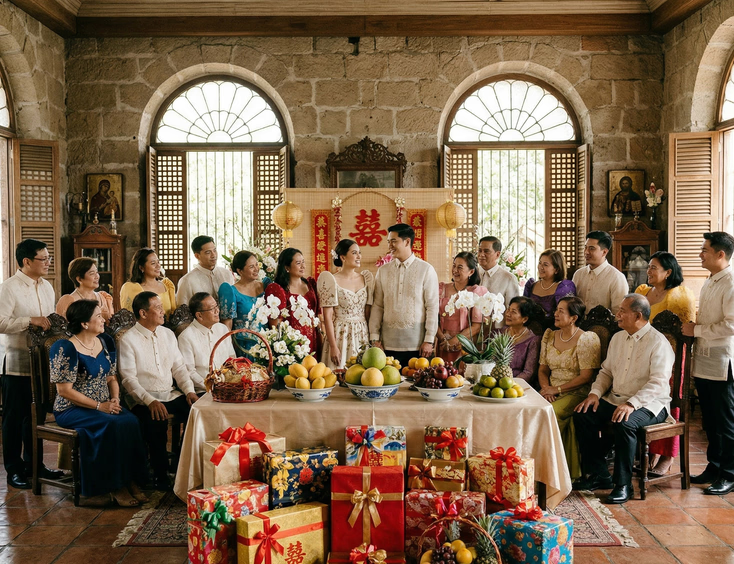
Some families choose venues with architectural or cultural character. Bahay na bato properties, restored heritage houses, and garden estates give the tinghun a visual gravity that a restaurant dining room cannot replicate.
Options worth considering:
- Transfiguration Chapel and Retreat House grounds (Canlubang, Laguna) for families outside Metro Manila
- The Ruins (Talisay, Bacolod) for families in the Visayas
- Casa Armas or similar heritage properties in Vigan for Ilocandia families
- Private garden estates in Tagaytay or Batangas for families who want an out-of-town setting
These spaces require more coordination. Catering is usually external, permits may apply, and setup takes longer. A wedding coordinator helps here, particularly one who already works with specialty venues.
Practical Questions to Ask Before Booking Any Venue
Guest count first. Lock down the approximate number of attendees before you look at venues. The venue has to fit the list, not the other way around.
Ceremony space vs. dining space. The tinghun needs a dedicated moment for the presentation of gifts. If the ceremony and the meal happen in the same room, plan the layout so the ceremony area is clear before the tables are set for food.
Privacy. Both families are sharing something personal. A semi-private corner of a busy restaurant does not work. The space should be fully enclosed or separated from other diners.
Parking and accessibility. Older relatives will attend. Confirm parking capacity and whether the entrance is accessible.
Catering flexibility. If your family has specific dishes tied to the tinghun, check whether the venue allows outside catering or can prepare traditional items on request.
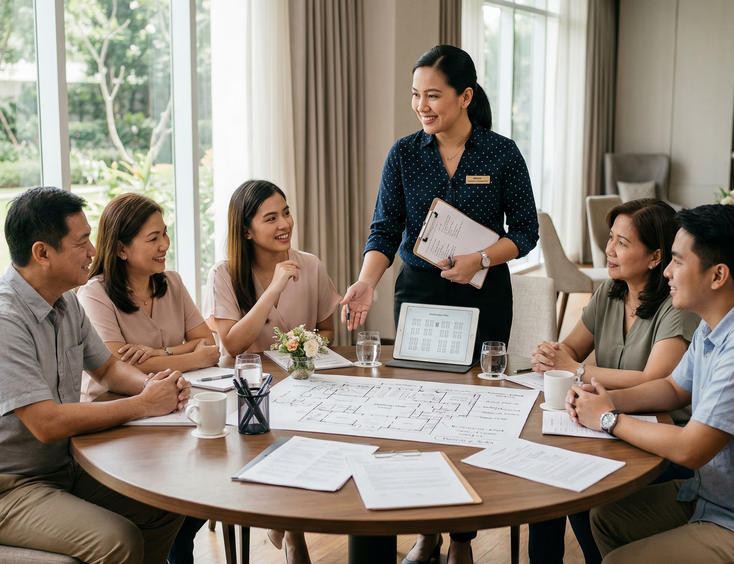
Getting the Logistics Right
Venue selection is one of the earlier decisions in tinghun planning, and it affects almost every other detail: the guest list, the catering, the décor, the flow of the ceremony. Families who lock in the venue early tend to avoid the last-minute scramble that makes the day feel chaotic.
If coordinating between two families across different schedules and preferences is proving difficult, working with a professional wedding or event coordinator takes the load off both sides. Browse the wedding planners and coordinators listed in our supplier directory to find someone familiar with tinghun ceremonies and venue scouting in your area.
Plan the Venue Around the Ceremony, Not the Other Way Around
The tinghun is a formal family gathering with a specific ritual structure. The venue needs to support that structure, not just provide a pretty backdrop. A well-chosen space gives both families room to be present, conduct the ceremony with dignity, and share a meal without feeling like they are working around the limitations of the room.
For a full breakdown of how the tinghun ceremony flows and what each part requires, read Tinghun: The Complete Guide to the Traditional Filipino Engagement Ceremony.
If you are still working out the overall planning timeline, How to Plan a Tinghun Ceremony: A Checklist for Both Families walks through each decision in sequence. For couples deciding between an intimate gathering and a larger celebration, Intimate Tinghun Ceremonies: Why Small and Meaningful Is the New Trend covers the case for keeping the guest count small.
Still Searching for a Right Match?
Find Your Perfect Wedding Supplier Today!
Discover trusted wedding suppliers across the Philippines in our complete directory. Compare services and connect with the ones that fit your dream celebration.
Browse Wedding SuppliersFeatured Posts
Regional Wedding Customs Every Filipino Couple Should Know
23 mins readThe Complete Guide to Filipino Wedding Invitations: From Traditional Customs to Modern Trends
12 mins readThe Complete Filipino Couple's Guide to Wedding Rings & Bands in the Philippines: Traditions, Styles, Budgets & Where to Buy
22 mins read