

Tinghun: The Complete Guide to the Traditional Filipino Engagement Ceremony
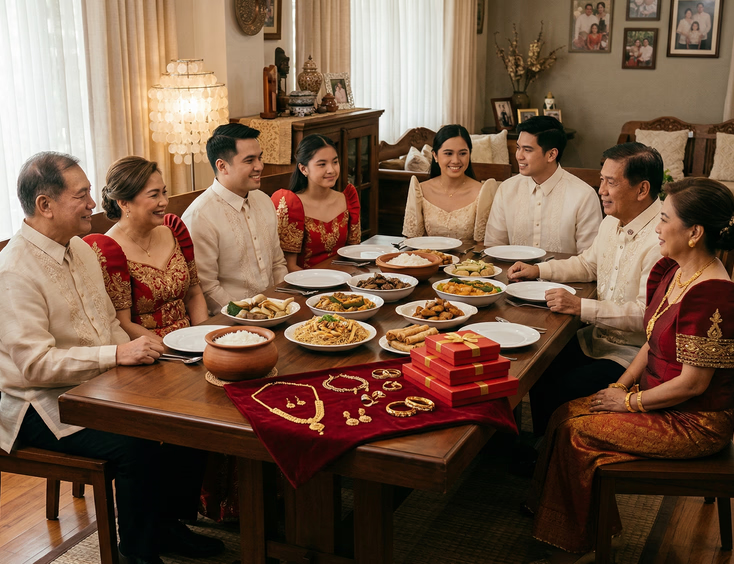
The groom's family arrives at the bride's home carrying gifts wrapped in red. The elders sit first. Tea is poured. Blessings are spoken in Hokkien or Filipino, sometimes both. Before a single wedding detail gets planned, two families meet at a table and decide, together, that this marriage will happen.
That is the Tinghun.
For Filipino-Chinese families, the Tinghun is the formal engagement ceremony that precedes the wedding. It is older than most of the wedding traditions Filipinos practice today, rooted in Fujianese-Chinese culture and carried across generations by the Tsinoy community. Over time, it spread beyond Chinese-Filipino households. Today, many Filipino families with no Chinese heritage hold a Tinghun because of what it represents: respect, family unity, and the weight of a serious commitment.
If you are getting married in the Philippines and someone in your family has mentioned the word Tinghun, this guide covers everything you need to know.
What the Tinghun Actually Is
The word Tinghun comes from the Hokkien Chinese dialect. It translates roughly to "fixed marriage" or "to set the engagement." The ceremony formalizes the couple's intention to marry, but more than that, it formalizes the relationship between two families.
The groom's family initiates the Tinghun. They visit the bride's family home, bringing gifts that carry symbolic meaning: gold jewelry, food items, and sometimes cash in red envelopes. The bride's family receives them, accepts the gifts, and in doing so, accepts the union. Both families eat together, blessings are exchanged, and the couple is formally recognized as engaged.
No venue booking. No catering deposit. No save-the-dates. Those come after. The Tinghun comes first.
To understand how the Tinghun fits into the broader Filipino pre-wedding tradition, read What Is Tinghun and Why It Still Matters in Filipino Culture Today. If you have heard the word pamamanhikan used interchangeably with Tinghun and are not sure which one applies to you, Tinghun vs. Pamamanhikan: What Is the Difference and Which One Do You Need breaks down the distinction clearly.
How the Ceremony Unfolds
A Tinghun follows a recognizable structure, though families adapt it based on their customs and preferences. The groom's family arrives at the bride's family home at an agreed time, often in the morning or early afternoon. They bring the traditional gifts, which the bride's family receives formally. Elders from both sides speak. The couple may receive jewelry or blessings directly. A shared meal follows, and by the end of the gathering, both families leave with a mutual understanding that the wedding will proceed.
The tone is formal but warm. It is not a party. It is a negotiation of sorts, though a loving one.
For the full breakdown of each stage from arrival to departure, A Step-by-Step Guide to What Happens During a Tinghun Ceremony walks through the entire event in sequence.
The Gifts and Their Meaning
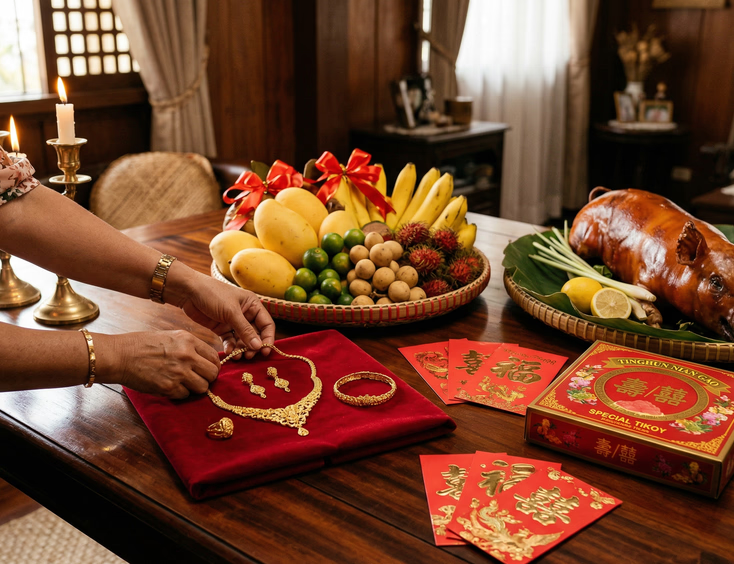
The gifts brought to a Tinghun are not gestures. They are symbols, and each one carries specific meaning rooted in Chinese cultural belief. Gold jewelry is among the most significant. The groom's family typically presents the bride with a gold necklace, bracelet, ring, and earrings as a set. These pieces represent prosperity, longevity, and the groom's family's capacity to care for her.
Beyond jewelry, families bring items like tikoy (sticky rice cake), whole roasted pig, fruits, and other foods associated with good luck and abundance. Cash in red envelopes, called ang pao, may also be exchanged. The quantity, type, and presentation of these gifts follow traditions that families either know by heart or seek guidance on.
The Symbolic Gifts in a Tinghun and What Each One Represents covers each gift item and its cultural significance. For a closer look at the jewelry specifically, Why Gold Jewelry Is Central to the Tinghun Tradition and How to Choose Wisely guides families through what to buy, how much to spend, and what to avoid.
The Food Served at a Tinghun
The shared meal at a Tinghun is not an afterthought. Families prepare dishes that carry symbolic meaning: fish for abundance, noodles for long life, whole chicken for completeness, and tikoy for togetherness. The table itself communicates how seriously the hosting family takes the occasion.
Some families cook at home. Others hire a caterer. Either approach works, as long as the dishes align with the tradition and the preparation matches the occasion's formality.
The Role of Food in a Tinghun Ceremony and What Dishes Are Traditionally Served lists the traditional dishes, explains their meaning, and offers guidance on how to present the meal.
Planning a Tinghun
Families often underestimate how much coordination a Tinghun requires. Two families need to align on a date, agree on the gift list, confirm who attends, and prepare the hosting space. None of this is complicated, but it takes time and clear communication between both sides.
The sections below address each planning consideration.
Choosing the Date
In the Filipino-Chinese tradition, the date of the Tinghun matters. Families consult a Chinese almanac or seek guidance from an elder or feng shui practitioner to identify an auspicious date. The chosen date should align with the couple's birth years and avoid days considered unlucky by Chinese tradition.
How to Choose an Auspicious Date for Your Tinghun in the Filipino-Chinese Tradition explains how this process works and who to consult if your family does not have a reference point.
How Far in Advance to Plan
Most families begin planning the Tinghun several months before the target date. This gives both sides time to coordinate schedules, source gifts, and avoid conflicts with other family events. If the wedding date is already set, the Tinghun should happen well before the couple begins booking major wedding suppliers.
How Far in Advance Should You Plan a Tinghun Before the Wedding covers the ideal timeline and what to finalize at each stage.
Who Attends
The Tinghun is not a large gathering. Both sides typically invite immediate family and key elders only. The groom's parents lead their delegation. The bride's parents receive them at home. Extended family may be included depending on how the families interpret the tradition, but the core group stays small and purposeful.
Who Should Be Invited to the Tinghun and How to Handle the Guest List addresses how to handle additions, exclusions, and the occasional family tension that comes with a selective guest list.
Where It Happens
The bride's family home is the traditional setting for a Tinghun. The groom's family visits; the bride's family hosts. This setup carries meaning because the groom's family is formally entering the bride's household to ask for her hand.
For families who cannot hold the ceremony at home, private dining rooms at restaurants or function rooms at hotels are acceptable alternatives, provided the setting is intimate and formal. Tinghun Venue Ideas in the Philippines: From Intimate Homes to Private Dining covers venue options across Metro Manila and other key cities.
The Budget
A Tinghun can cost anywhere from a modest amount to a significant sum depending on the gold jewelry purchased, the gifts prepared, the food served, and whether the family hires help. The groom's family carries most of the gift-giving burden, but hosting costs fall on the bride's side.
How to Set a Realistic Tinghun Budget That Works for Both Families breaks down where the money goes, what can be scaled back, and what should not be compromised. For a clear answer on who covers which expenses, Who Pays for the Tinghun? Understanding Financial Responsibilities Between Families addresses that conversation directly.
The Planning Checklist
Between the gifts, the guest list, the date, the food, and the logistics, planning a Tinghun involves more moving parts than most couples expect. A structured checklist keeps both families on the same page and prevents last-minute scrambling.
How to Plan a Tinghun Ceremony: A Checklist for Both Families provides a complete, task-by-task checklist for both the groom's and bride's sides.
If you want support from a professional who understands Filipino and Filipino-Chinese wedding traditions, a wedding coordinator can help both families navigate the planning process. Browse Wedding Planners and Coordinators to find suppliers who have handled Tinghun ceremonies.
Tinghun Etiquette
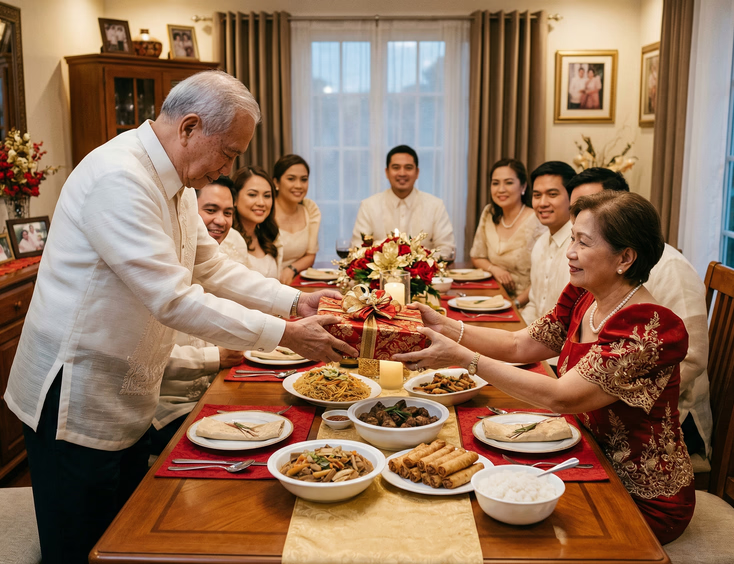
Both families carry responsibilities at a Tinghun, and getting the etiquette right signals respect for the tradition and for each other. The groom's family arrives on time, presents gifts correctly, and defers to the elders of the bride's family. The bride's family receives guests graciously, prepares the space with care, and ensures the meal is ready.
Small missteps, like improper gift presentation or ignoring seating hierarchy, can create tension that lingers beyond the ceremony. Understanding the etiquette in advance avoids most of that.
Tinghun Etiquette: What Both Families Need to Know Before the Big Day covers the responsibilities and expectations for each side. If you are attending as a guest rather than a principal family member, How to Behave at a Tinghun as a Guest: A Practical Etiquette Guide gives you the guidance you need.
For the common missteps families make — and how to sidestep them entirely — Common Tinghun Mistakes Families Make and How to Avoid Them is worth reading before you begin planning.
What to Wear
Dress at a Tinghun is formal and conservative. Red is considered auspicious and is a popular choice for both families. White is avoided because it carries associations with mourning in Chinese culture. Both the groom's and bride's families typically dress in coordinated colors, though this is not a strict requirement.
What to Wear to a Tinghun Ceremony: A Dress Code Guide for the Whole Family covers attire for every member of both families, including color guidance and what to avoid.
Modifying or Declining Traditions
Not every family holds all the same customs. Some families observe the full traditional Tinghun; others adapt it to their circumstances or combine it with other Filipino pre-wedding practices. Modifying a tradition respectfully is possible, but it requires clear communication between both families and a shared understanding of which elements carry the most weight.
How to Respectfully Decline or Modify Tinghun Traditions Without Offending Anyone offers practical approaches for families navigating this conversation.
How Modern Couples Are Approaching the Tinghun
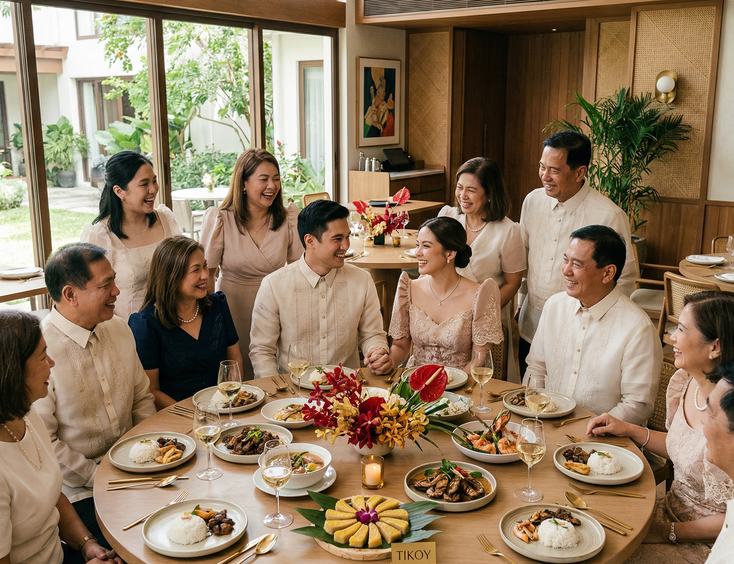
The Tinghun has not stayed frozen in time. Filipino-Chinese couples today adapt the ceremony in ways that feel meaningful to them without discarding the tradition's core intent. Some hold intimate gatherings of ten people instead of the traditional larger family assembly. Others blend the Tinghun with a Western engagement party format, combining the formal gift exchange with a more relaxed celebration afterward.
How Modern Filipino Couples Are Reinventing the Tinghun for Today's Generation explores how couples are shaping the ceremony on their own terms.
For couples drawn to smaller, more personal gatherings, Intimate Tinghun Ceremonies: Why Small and Meaningful Is the New Trend makes the case for keeping the guest list tight and the focus deep.
If your family observes Western engagement traditions alongside the Tinghun, How to Blend Tinghun Traditions with a Western Engagement Party shows how couples merge both without the result feeling disjointed.
Tinghun Decor
The traditional color palette for a Tinghun is red and gold. Red signifies luck and celebration in Chinese culture; gold represents prosperity. Families typically set up the receiving area and dining table with these colors in mind, using flowers, table linens, and decorative elements that reinforce the celebratory and auspicious tone.
Modern couples sometimes choose a softer palette — blush, ivory, or sage — while keeping red and gold accents to honor the tradition. The key is that the space feels intentional and prepared, not like an ordinary family dinner.
Tinghun Decor Inspiration: From Traditional Red and Gold to Modern Elegant Setups covers setup ideas for both traditional and contemporary approaches, with practical guidance on what to prioritize.
The Tinghun Within the Filipino Wedding Journey
The Tinghun sits at the beginning of everything. Before the wedding venue is booked, before invitations are designed, before the bridal entourage is assembled, the Tinghun establishes the foundation: two families, in agreement, committed to the union of their children.
For Filipino-Chinese couples, skipping the Tinghun is possible but carries social and familial weight. For many families, holding the Tinghun is the moment the wedding becomes real — not the proposal, not the ring, but the table where both families sit together and say yes.
If you are navigating this process for the first time, start with the planning checklist, confirm the date early, and give both families enough time to prepare. A well-prepared Tinghun sets the tone for every celebration that follows.
To find experienced wedding professionals who understand Filipino and Filipino-Chinese traditions, browse Wedding Planners and Coordinators on our directory.
Still Searching for a Right Match?
Find Your Perfect Wedding Supplier Today!
Discover trusted wedding suppliers across the Philippines in our complete directory. Compare services and connect with the ones that fit your dream celebration.
Browse Wedding SuppliersFeatured Posts
Regional Wedding Customs Every Filipino Couple Should Know
23 mins readThe Complete Guide to Filipino Wedding Invitations: From Traditional Customs to Modern Trends
12 mins readThe Complete Filipino Couple's Guide to Wedding Rings & Bands in the Philippines: Traditions, Styles, Budgets & Where to Buy
22 mins read