

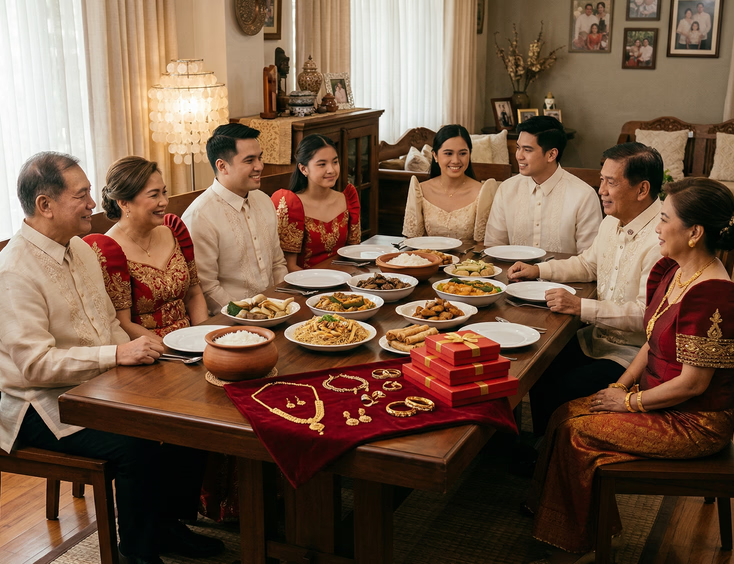
Tinghun Etiquette: What Both Families Need to Know Before the Big Day
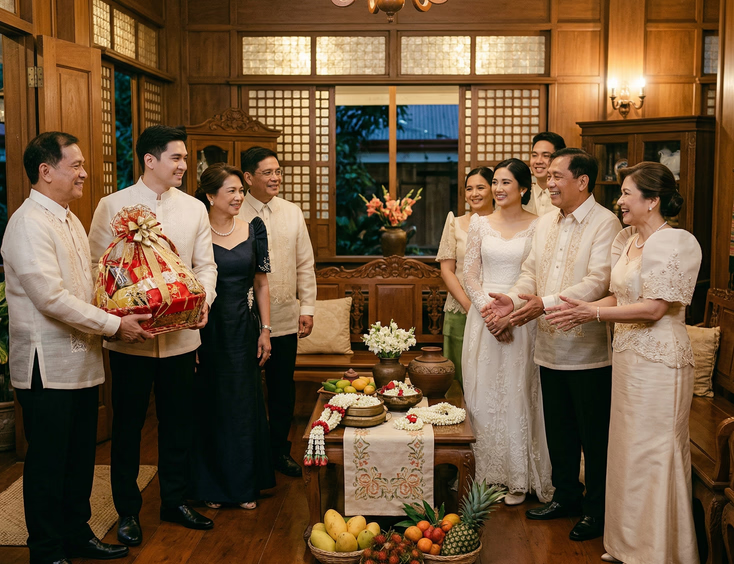
The tinghun brings two families together for the first time in a formal, ceremonial context. Both sides are being assessed. Both sides are assessing. The etiquette surrounding the event exists to keep that mutual evaluation respectful and to prevent avoidable missteps from creating impressions that linger long after the ceremony ends.
Most tinghun etiquette failures are not deliberate. They come from not knowing what is expected. This guide covers what both families need to understand before the day arrives.
Before the Ceremony: What Both Families Need to Handle
Confirm the Details Directly
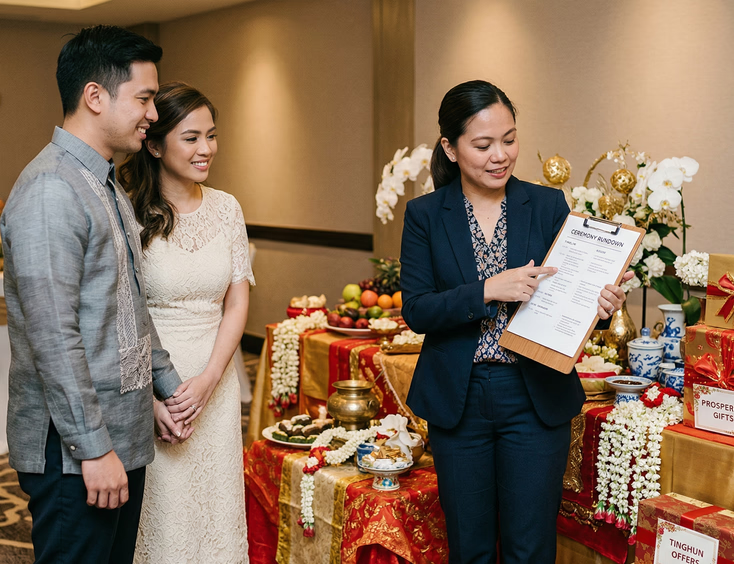
Both families should confirm the date, time, venue, and guest count at least two weeks before the ceremony. Do not leave this to the couple alone. A parent or designated family representative from each side should speak directly to their counterpart to align on logistics.
Assumptions about timing cause the most common pre-ceremony friction. The groom's family assumes a 10am arrival. The bride's family expects them at noon. Neither family communicated, and the morning becomes chaotic. Confirm the arrival time explicitly, not just the start time of the ceremony.
Dress Appropriately and Consistently
Both families should agree on a dress code in advance. The tinghun is a formal family occasion. Smart formal to semi-formal attire is the standard. Barong tagalog for men and filipiniana or formal dresses for women signal that both families treat the occasion with the appropriate weight.
Avoid white. In Filipino-Chinese tradition, white is associated with mourning and funerals. Red and gold are auspicious colors appropriate for the occasion. Neither family should arrive underdressed relative to the other. One family in barong tagalog and the other in casual clothes creates an imbalance that reads as disrespect, even if none was intended.
For a detailed breakdown of dress code options for the whole family, read What to Wear to a Tinghun Ceremony: A Dress Code Guide for the Whole Family.
The Groom's Family Arrives on Time
In the tinghun, the groom's family is the visiting party. Arriving late signals disrespect to the bride's family, who have prepared their home and their welcome. The groom's family should aim to arrive within five minutes of the agreed time, not early enough to catch the bride's family still preparing, and not late enough to communicate carelessness.
Prepare the Gifts Properly
The groom's family brings all ceremonial gifts wrapped and presented with care. Gifts handed over in plastic bags or unwrapped boxes undermine the formality of the presentation. Red and gold wrapping paper is standard. Ribbons, boxes, and neat presentation communicate that the groom's family values the occasion.
Confirm with both families in advance what gifts are expected. Arriving with an incomplete set, or with items that do not match what was discussed, creates an awkward moment that the ceremony cannot easily recover from. For a full breakdown of what each ceremonial gift represents, read The Symbolic Gifts in a Tinghun and What Each One Represents.
During the Ceremony: How Both Families Should Conduct Themselves
The Bride's Family Receives the Groom's Family at the Door
The bride's parents or a senior family representative meet the groom's family at the entrance. This formal welcome is not optional. It sets the tone for the entire gathering. The bride's family should be assembled and ready before the groom's family arrives.
Elders Speak First
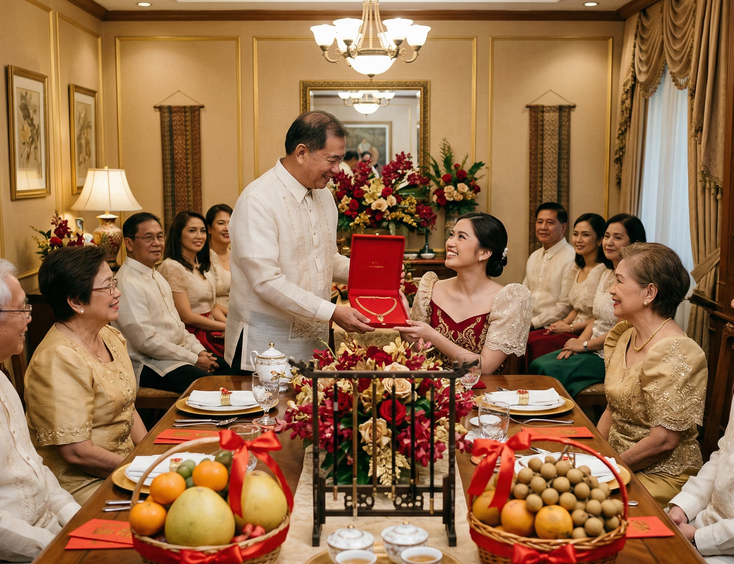
In Filipino-Chinese tinghun practice, the senior members of each family lead the formal exchanges. The groom's father or a designated family elder presents the purpose of the visit. The bride's father or senior representative responds. Younger family members, including the couple, follow the elders' lead and do not speak out of turn during the formal portion of the ceremony.
This is not the moment for the couple to take over the proceedings. The ceremony formalizes the union between two families, not just two individuals. Both the bride and groom should be present, attentive, and respectful during the formal exchanges.
Handle the Jewelry Presentation with Care
The gold jewelry presentation is the ceremonial centerpiece. The groom or the groom's mother presents the jewelry to the bride. The bride receives it graciously. She does not inspect it critically in the moment, comment on its value, or compare it to what was discussed. Any concerns about the jewelry are addressed privately after the ceremony.
Family members watching the presentation should remain quiet and attentive. Side conversations during the jewelry presentation are disrespectful to both families.
No Phones During the Formal Portion
Guests who photograph or film the formal ceremony exchanges on their personal phones while the elders are speaking disrupt the solemnity of the moment. If the family has hired a photographer, let that person handle documentation. Guests should keep their phones away during the formal portion and take personal photos during the meal.
After the Ceremony: Meal and Departure
The Meal Is Part of the Ceremony
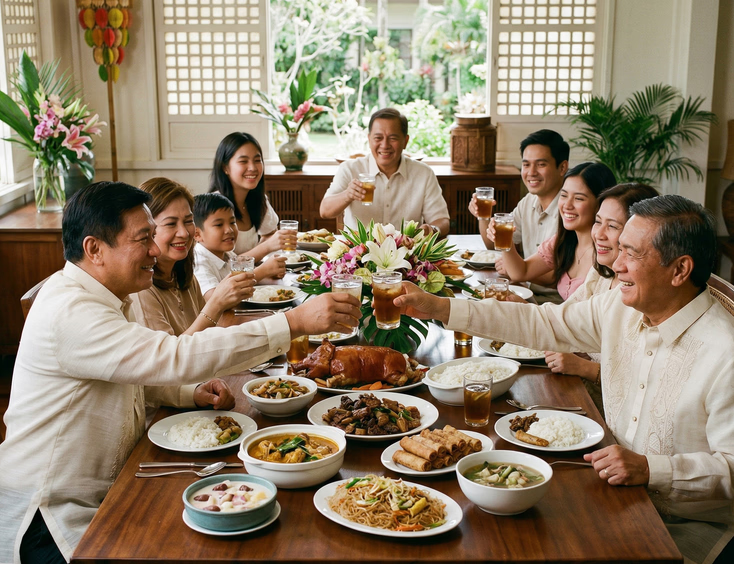
The shared meal after the formal exchange is not a casual afterthought. It is the bride's family's formal hospitality to the groom's family. The groom's family should eat, engage warmly, and not rush through the meal. Leaving immediately after the formal portion ends is impolite.
Both families use the meal to get to know each other in a more relaxed setting. Senior family members should make an effort to speak with their counterparts. The couple does not need to drive every conversation.
The Groom's Family Thanks the Hosts Before Leaving
Before departing, the groom's family formally thanks the bride's parents for their hospitality. This is a brief, direct expression of gratitude from the groom's parents to the bride's parents. It closes the ceremony properly and leaves a good final impression.
Follow Up After the Event
A short message or call from the groom's family to the bride's family the following day acknowledges the occasion and reinforces the goodwill established during the ceremony. This is not a formal requirement. Families that do it consistently report that it strengthens the early relationship between both sides.
What Guests Need to Know
Guests attending the tinghun are there to witness and support, not to participate in the formal exchanges. Arriving on time, dressing appropriately, and staying quiet during the ceremonial portion are the three requirements. For a more detailed guide on guest conduct, read How to Behave at a Tinghun as a Guest: A Practical Etiquette Guide.
When Something Goes Wrong
Tinghun ceremonies do not always go exactly as planned. A gift is missing. A family member says something clumsy during the meal. The food takes longer than expected. How both families handle these moments matters more than the mishap itself.
The family that responds to a misstep with grace, humor, or quiet problem-solving sets the tone. The family that treats every imperfection as an offense creates tension that outlasts the ceremony. Both families are meeting under emotional and social pressure. Extend the same patience you would want extended to you.
For a detailed look at the most common mistakes families make and how to prevent them, read Common Tinghun Mistakes Families Make and How to Avoid Them.
Etiquette Reflects Intention
The specific rules of tinghun etiquette are not arbitrary. Each one reflects something the ceremony is trying to do: honor both families, formalize the commitment between them, and begin the relationship on a foundation of mutual respect. Following the etiquette well communicates that both families understand what the tinghun means and take it seriously.
Families who want support coordinating the logistics and managing the ceremony flow work with a coordinator who has handled tinghun ceremonies before. Browse wedding planners and coordinators in our supplier directory to find someone with the right experience.
For a full overview of everything the tinghun involves, read Tinghun: The Complete Guide to the Traditional Filipino Engagement Ceremony. Couples finalizing their planning timeline can also read How to Plan a Tinghun Ceremony: A Checklist for Both Families for a structured sequence of decisions. For families selecting an auspicious date that aligns with both the lunar calendar and family schedules, How to Choose an Auspicious Date for Your Tinghun in the Filipino-Chinese Tradition covers the full process.
Still Searching for a Right Match?
Find Your Perfect Wedding Supplier Today!
Discover trusted wedding suppliers across the Philippines in our complete directory. Compare services and connect with the ones that fit your dream celebration.
Browse Wedding SuppliersFeatured Posts
Regional Wedding Customs Every Filipino Couple Should Know
23 mins readThe Complete Guide to Filipino Wedding Invitations: From Traditional Customs to Modern Trends
12 mins readThe Complete Filipino Couple's Guide to Wedding Rings & Bands in the Philippines: Traditions, Styles, Budgets & Where to Buy
22 mins read