

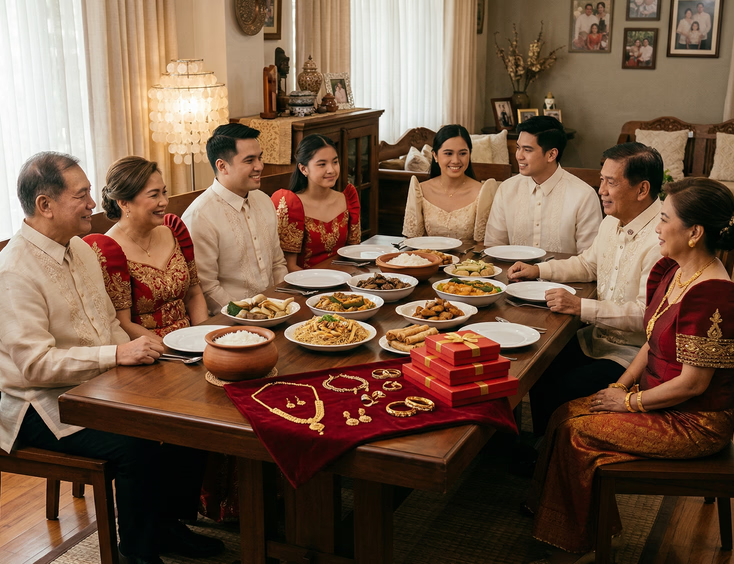
Tinghun Decor Inspiration: From Traditional Red and Gold to Modern Elegant Setups
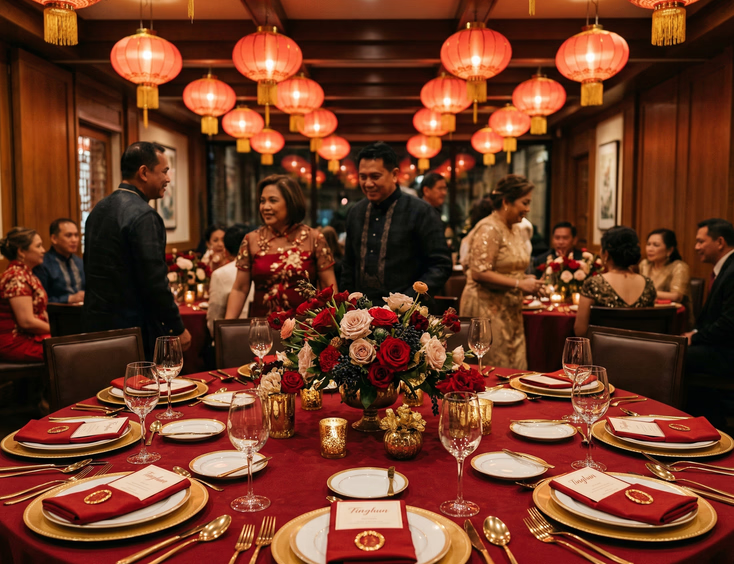
Decor at a tinghun does more than make the room look good. The colors, table arrangements, and ceremonial elements signal to both families and their guests that the occasion was treated with care. How the space looks shapes how the event feels before anyone speaks.
For a full understanding of what the tinghun ceremony involves and why the atmosphere matters, read Tinghun: The Complete Guide to the Traditional Filipino Engagement Ceremony.
The Traditional Color Palette and Its Meaning
Red and gold are the foundation of traditional tinghun decor. Red signals joy, good fortune, and celebration in Filipino-Chinese culture. Gold signals prosperity and abundance. Together they communicate that the families have entered this occasion with the right intentions.
Traditional setups use these colors across every surface. Red tablecloths, gold charger plates, red floral centerpieces with gold accents, red paper lanterns, and gold candle holders. The effect is deliberate and rich. Families who observe the Filipino-Chinese tradition closely treat this palette as non-negotiable, particularly when elders are present.
The couple and their families should agree on how strictly they want to follow this palette before any decor decisions get made. A family that expects red and gold and arrives to a neutral sage-and-white setup will notice the departure immediately.
Modern Interpretations of the Traditional Palette
Couples who want to honor the traditional colors without a fully saturated red-and-gold setup have workable options. Deep burgundy and champagne carry the warmth of the traditional palette with a more contemporary feel. Blush and rose gold read as festive without the formality of a traditional Chinese banquet aesthetic.
The key is keeping the warmth. Tinghun decor that drifts into cool tones, whites, and silvers reads more like a bridal shower than a Filipino-Chinese engagement ceremony. The palette shift should feel like a refinement of the tradition, not a departure from it.
Couples navigating this decision alongside modifications to other parts of the ceremony should read How to Respectfully Decline or Modify Tinghun Traditions Without Offending Anyone.
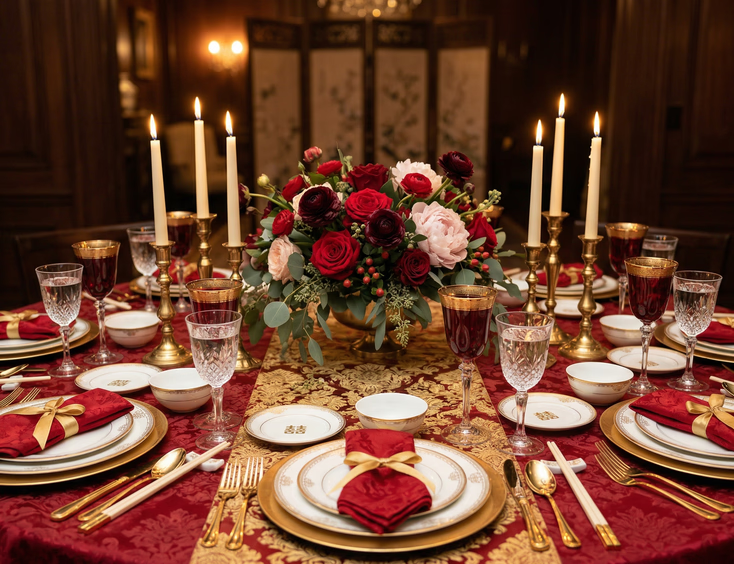
Table Settings That Suit the Ceremony
The tinghun centers on a shared meal. The table is the ceremony's focal point, not just its backdrop. A formally set table with layered linens, proper tableware, and thoughtful centerpieces signals that the hosting family treated the occasion with respect.
Round tables work better for a tinghun than long rectangular banquet tables. A round table puts every seat at equal standing, which matters when families are meeting for the first time and no seat should feel secondary. It also makes conversation easier across the full table rather than limited to immediate neighbors.
For traditional setups, place settings include red or gold napkins folded formally, gold-rimmed plates or chargers, and chopsticks alongside Western cutlery if the family observes Filipino-Chinese customs. For modern setups, the layering stays but the specific pieces update. Linen napkins in blush or burgundy, matte gold flatware, and simple white porcelain with a gold rim maintain formality without replicating a traditional banquet.
Centerpieces That Scale to the Venue
Centerpieces at a tinghun should not obstruct the view across the table. The formal portions of the ceremony require guests to see each other, watch the gift presentation, and attend to whoever is speaking. A towering floral arrangement blocks sightlines and competes with the program.
Low arrangements work best. Compact blooms in red, blush, or deep burgundy with gold accent details, set in low vases or flat arrangements, keep the table looking considered without creating visual barriers. Candles in gold holders add warmth without height.
Traditional decor includes Chinese red lanterns as overhead elements rather than table centerpieces. Hung at the right height in a home sala or private dining room, they add a layer of visual atmosphere without interfering with the table program.
For intimate tinghun setups with smaller tables, a single statement arrangement at the center works better than multiple competing elements. A contained floral piece with trailing greenery, red blooms, and gold accents covers the table beautifully without overwhelming it.
Decor for the Home Versus a Private Venue
Decor decisions change significantly depending on the setting. A family home has its own character, existing furniture, and fixed lighting. A private dining room or hotel function space is a blank canvas.
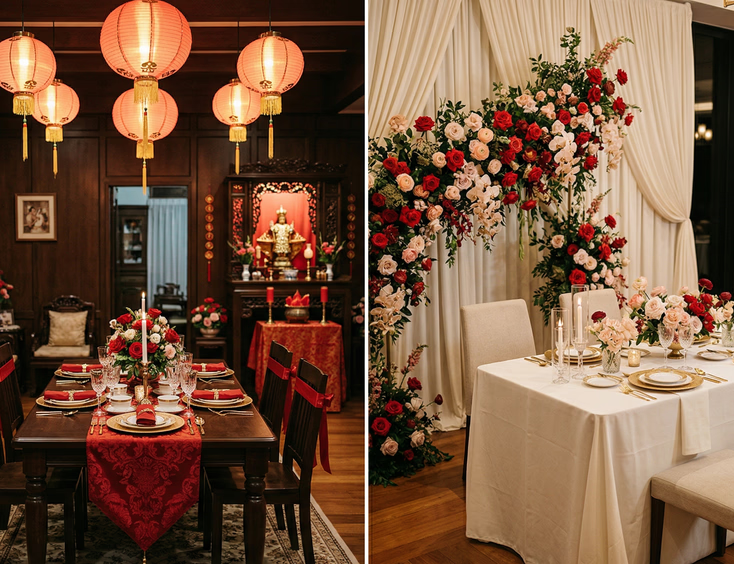
In a home sala, the decor works with what is already there. Adding a red table runner, gold charger plates, fresh flowers, and a few lanterns transforms the space without fighting the existing aesthetic. Over-decorating a home sala with too many elements makes it feel crowded rather than festive.
In a private venue, the couple has more control over the full visual environment. Table linens, chair covers or sashes, backdrop elements, and lighting all come into the conversation. A linen backdrop in ivory or champagne with a floral installation in red and blush gives a contemporary tinghun setup a finished focal point behind the main table.
For a broader look at how venue choice shapes the entire ceremony experience, read Tinghun Venue Ideas in the Philippines: From Intimate Homes to Private Dining.
Entrance and Welcome Elements
The entrance to the tinghun venue sets expectations before guests sit down. A simple welcome arrangement near the door, a framed program card, or a small floral installation in the ceremony's color palette tells guests immediately that the event was prepared with care.
For a home tinghun, a wreath or floral arrangement at the front door in red and green, paired with a small sign or program display inside the entrance, is enough. For a private venue, a welcome table with a printed program, a small floral arrangement, and name card holders for the seating plan adds a layer of organization alongside the visual welcome.
Avoid over-investing in the entrance at the expense of the table. Guests spend most of their time seated. The table is where the decor investment returns the most.
Lighting as a Decor Element
Lighting is the decor element most couples underestimate. A formal tinghun in a harshly lit family dining room or a fluorescent-lit function hall looks flat in person and worse in photographs. Warm ambient lighting changes the atmosphere of the same space significantly.
In a home setting, switching overhead fluorescent lights for warm-toned bulbs, adding table candles, and using floor lamps with warm shades shifts the entire feel of the room. In a private venue, request warm lighting settings before the event begins. Most function spaces have adjustable lighting but default to full brightness unless someone asks.
String lights used sparingly add warmth to a garden tinghun or a semi-outdoor venue without making the ceremony feel like a casual garden party. They work as background ambiance, not as the primary light source.
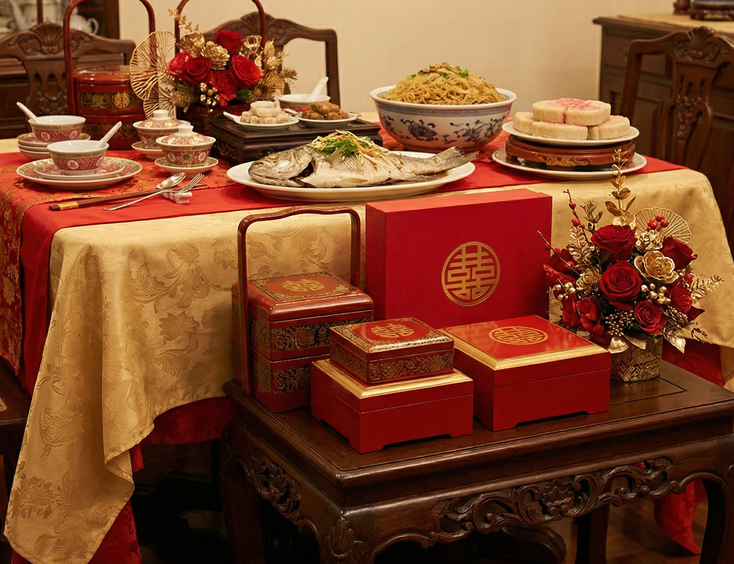
Ceremonial Elements as Decor
Some tinghun elements serve both a ceremonial and a visual function. The gift boxes arranged on the table before presentation, the jewelry displayed briefly during the ceremony, and the traditional food dishes placed at the center of the table all contribute to the visual atmosphere of the event.
Treat these elements as part of the decor rather than separate from it. A set of red and gold lacquered boxes arranged on a side table before the gift presentation adds color and texture to the room. Traditional dishes presented in proper serving ware on a formally set table look intentional rather than accidental.
The ceremonial and the aesthetic work together when someone plans them together. Couples who approach decor and ceremony as separate categories end up with a room that looks disconnected from what is happening inside it.
Keeping Decor Proportionate to the Occasion
Tinghun decor does not need to match a wedding reception in scale or investment. It needs to match the intimacy and formality of the ceremony. Over-decorated tinghun setups with elaborate floral installations, neon signage, and styled flat-lay tables read as out of proportion to what the ceremony actually is.
The decor serves the ceremony. A formally set table, a warm color palette, considered lighting, and fresh flowers in the ceremony's colors are enough. Couples who want to invest more can do so in quality rather than quantity. Better flowers, proper tableware, and good lighting produce a more refined result than more elements of lower quality.
Working with a wedding coordinator who has managed tinghun ceremonies helps couples calibrate this balance correctly. A coordinator with tinghun experience knows which decor elements matter most to the families attending, which details photograph well, and how to brief suppliers on a ceremony format they may not be familiar with. The couple gets a room that looks right for the occasion without spending months researching what that actually means.
Still Searching for a Right Match?
Find Your Perfect Wedding Supplier Today!
Discover trusted wedding suppliers across the Philippines in our complete directory. Compare services and connect with the ones that fit your dream celebration.
Browse Wedding SuppliersFeatured Posts
Regional Wedding Customs Every Filipino Couple Should Know
23 mins readThe Complete Guide to Filipino Wedding Invitations: From Traditional Customs to Modern Trends
12 mins readThe Complete Filipino Couple's Guide to Wedding Rings & Bands in the Philippines: Traditions, Styles, Budgets & Where to Buy
22 mins read