

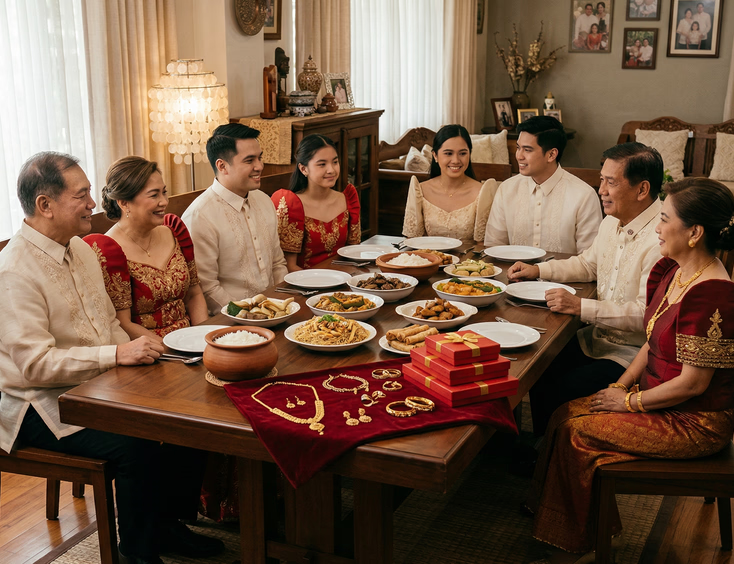
The Symbolic Gifts in a Tinghun and What Each One Represents
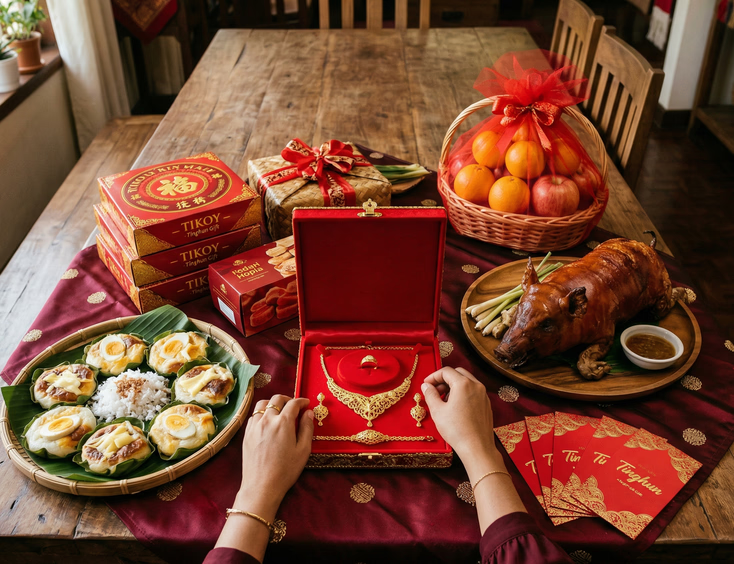
The groom's family does not arrive at a Tinghun with random gifts. Every item they carry through the bride's family door was chosen for a reason. The gold has a meaning. The tikoy has a meaning. The lechon, the fruits, the ang pao — each one communicates something specific about the groom's family's intentions, their respect for the bride, and their hopes for the marriage.
Understanding what each gift represents helps the groom's family choose and present them correctly, and helps the bride's family receive them with full appreciation for what is being offered.
Why the Gifts Matter Beyond Their Value
A Tinghun gift is not a wedding present. It is a statement. When the groom's family places a gold necklace in front of the bride's parents, they are not being generous for generosity's sake. They are telling the bride's family: we are serious, we are prepared, and we will provide for your daughter.
The bride's family reads the gifts that way. The quality, the completeness, and the care taken in presentation all communicate how the groom's family approaches the commitment they are making. A poorly assembled gift set signals carelessness. A thoughtfully prepared one signals the opposite.
This is why both families take the gift list seriously, and why the groom's family prepares it well in advance of the ceremony.
For a full walkthrough of what happens during the Tinghun, including when the gifts are presented and how the exchange unfolds, A Step-by-Step Guide to What Happens During a Tinghun Ceremony covers the complete sequence. For the broader context of what the Tinghun is and what it represents in Filipino culture, read Tinghun: The Complete Guide to the Traditional Filipino Engagement Ceremony.
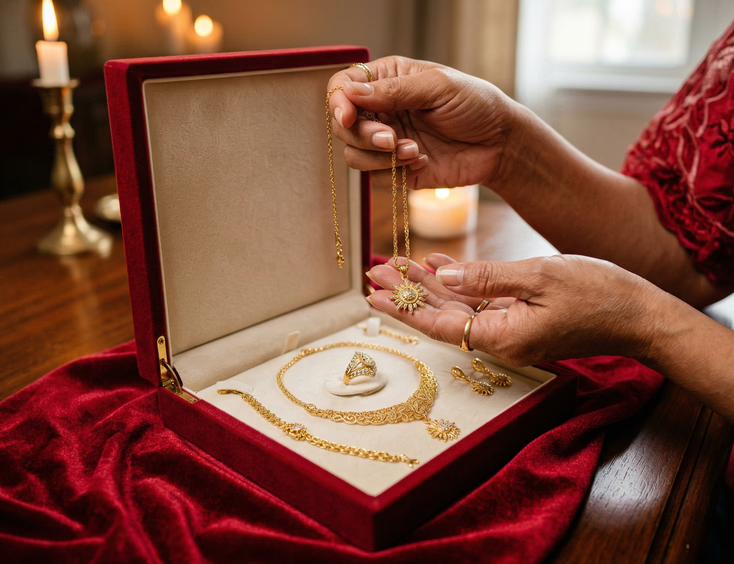
The Gold Jewelry Set
The gold jewelry set is the centerpiece of the Tinghun gift presentation. The groom's family brings a complete set for the bride: a necklace, bracelet, ring, and earrings. In some families, a bangle is added as a fifth piece. The set is presented together, typically in a dedicated jewelry box or displayed on a folded red cloth.
Gold represents prosperity, stability, and the groom's family's financial commitment to the bride's future. Presenting a complete set signals wholeness. Giving only one or two pieces is considered incomplete and, in some families, a poor omen for the marriage.
The groom's mother or the most senior female elder on the groom's side presents the jewelry. In many Tinghun ceremonies, she places the necklace around the bride's neck herself. This act transfers the blessing from the groom's family directly to the bride.
Families who are uncertain about how much to spend on the jewelry, what quality to buy, or how many pieces to include should read Why Gold Jewelry Is Central to the Tinghun Tradition and How to Choose Wisely before purchasing.
Tikoy
Tikoy is a sticky rice cake made from glutinous rice, sugar, and water. It is one of the most recognized symbols in Filipino-Chinese celebrations, and it carries a specific meaning in the Tinghun context.
The sticky texture of the tikoy represents the bond between two families. Just as the cake holds together, the two families will hold together through the marriage. Tikoy given at a Tinghun also signals sweetness in the couple's future life together.
The groom's family brings tikoy in a presentation box, often wrapped in red and gold packaging. Some families bring multiple tikoy of different sizes. Circular or round tikoy are preferred because round shapes represent completeness and continuity in Chinese cultural tradition.
Lechon
A whole roasted lechon, or roasted pig, represents abundance, prosperity, and celebration. Bringing a whole animal to the Tinghun signals that the groom's family comes with fullness, not scarcity. It also signals that the groom's family is willing to invest generously in the relationship between both households.
The lechon is displayed prominently during the gift presentation, often on its own tray or table. In many families, the lechon served at the Tinghun becomes part of the shared meal that follows the formal ceremony.
Some families in Metro Manila source their Tinghun lechon from the same suppliers they plan to use for the wedding reception, treating the Tinghun order as an introduction to the supplier's work.
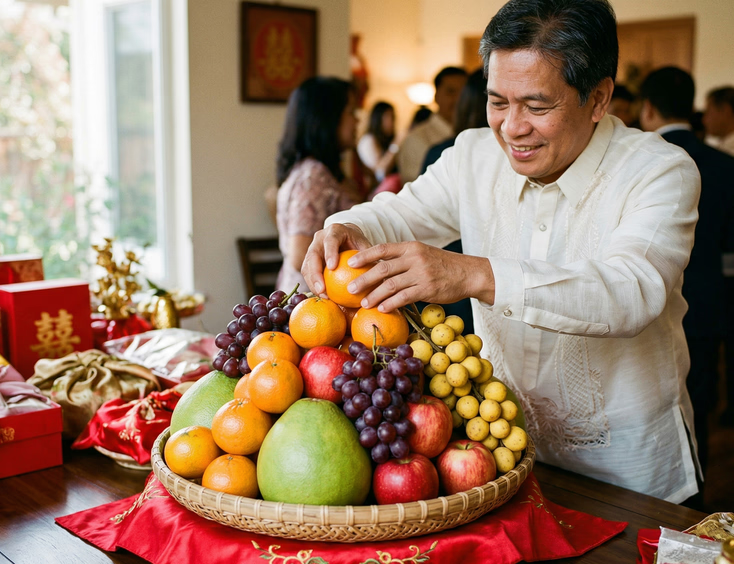
Seasonal Fruits
Fruits brought to a Tinghun are chosen for their shape, color, and name associations in Chinese cultural belief. Round fruits are preferred because round shapes represent continuity and wholeness. Red fruits are auspicious because red is the color of luck and celebration.
Common choices include apples, oranges, pomelos, grapes, and lanzones. Families avoid fruits with names that sound like negative words in Chinese dialects, or fruits associated with bitterness or death in Chinese symbolism. Pears, for example, are sometimes avoided because the Hokkien word for pear sounds like the word for separation.
The fruits are arranged in a woven basket or displayed on a platter, never scattered loosely. The arrangement communicates the same care as the rest of the gift presentation.
Ang Pao
Ang pao are red envelopes containing cash. In the Tinghun, the groom's family prepares ang pao for the bride's parents and for the senior elders on the bride's side. The amount placed inside each envelope follows conventions that vary by family, but even numbers are standard. Odd numbers are associated with funerals and are avoided.
The red envelope itself carries meaning independent of the cash inside. Red signals good fortune. Presenting cash in a red envelope transforms a monetary transaction into a symbolic gesture of goodwill and respect.
Some families also receive ang pao in return during the tea ceremony portion of the Tinghun, where elders give red envelopes back to the couple after being served tea. This exchange reinforces the reciprocal nature of the ceremony's gift-giving structure.
Pancit
Some families include a large serving of pancit, or long noodles, in the Tinghun gift list. Long noodles represent long life and a long marriage. The noodles should be left uncut; cutting them shortens the symbolism and is considered bad luck.
Pancit as a Tinghun gift is more common in some regional Filipino-Chinese communities than others. Families who include it treat it as both a gift and a contribution to the shared meal, where it is served alongside the other traditional dishes.
Bibingka and Kakanin
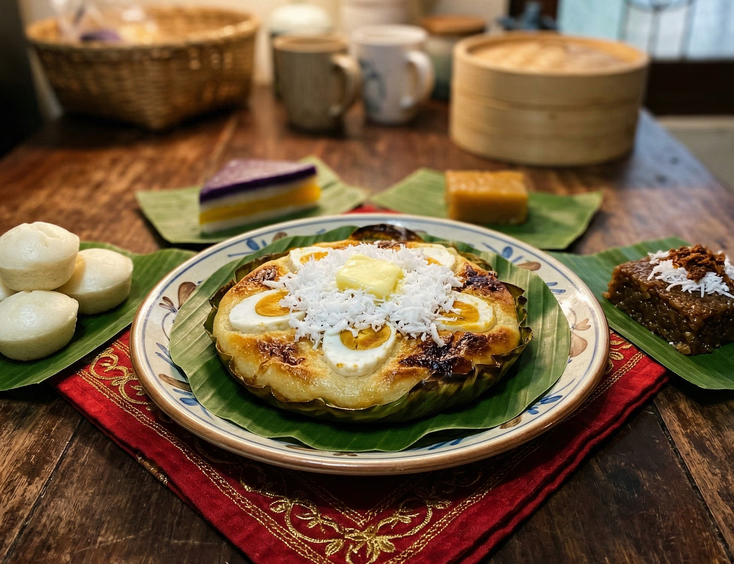
Sticky rice-based delicacies beyond tikoy, including bibingka and other kakanin, appear on some Tinghun gift lists. Like tikoy, these items carry the symbolism of stickiness and unity. Their sweetness represents the couple's hoped-for life together.
The inclusion of specific kakanin varies by family and by regional practice. Families from Pampanga, for example, may include their regional rice cakes, while families in Cebu may include local variations. The symbolic logic remains consistent: sticky, sweet, and shared.
How to Present the Gifts
Presentation matters as much as selection. Every gift arrives wrapped or boxed in red. Nothing is placed in a plain bag or handed over casually. Items are arranged on a designated surface before the family enters, or carried in and placed formally during the presentation stage.
The groom's family presents the gifts in a specific order: jewelry first, then food items, then ang pao. Each item is acknowledged before the next is introduced. The bride's family receives each gift with both hands where possible, and with visible appreciation.
Rushing the gift presentation defeats its purpose. This is the moment the groom's family communicates their seriousness to the bride's parents. Taking time with each item is not excessive; it is correct.
For the etiquette around gift presentation and receipt, including what to do if a family wants to modify the traditional gift list, Tinghun Etiquette: What Both Families Need to Know Before the Big Day covers both sides of the exchange in detail.
If you are planning a Tinghun and want guidance from a professional who understands Filipino-Chinese wedding traditions, Wedding Planners and Coordinators lists experienced suppliers who have helped families assemble and present Tinghun gift sets correctly.
The Gifts as a Whole
Lay the full Tinghun gift set out together: the gold jewelry on red velvet, the tikoy in its presentation box, the lechon on its tray, the fruits in a basket, the ang pao envelopes, the pancit, the kakanin. What you see is not a collection of items. It is a complete statement.
Every piece of that statement says the same thing in a different way: the groom's family came prepared, they came with respect, and they came with every intention of honoring the bride's family and caring for their daughter. The bride's family receives that statement when they accept the gifts.
That exchange, quiet and formal and loaded with meaning, is why the Tinghun begins with gifts rather than conversation.
Still Searching for a Right Match?
Find Your Perfect Wedding Supplier Today!
Discover trusted wedding suppliers across the Philippines in our complete directory. Compare services and connect with the ones that fit your dream celebration.
Browse Wedding SuppliersFeatured Posts
Regional Wedding Customs Every Filipino Couple Should Know
23 mins readThe Complete Guide to Filipino Wedding Invitations: From Traditional Customs to Modern Trends
12 mins readThe Complete Filipino Couple's Guide to Wedding Rings & Bands in the Philippines: Traditions, Styles, Budgets & Where to Buy
22 mins read