

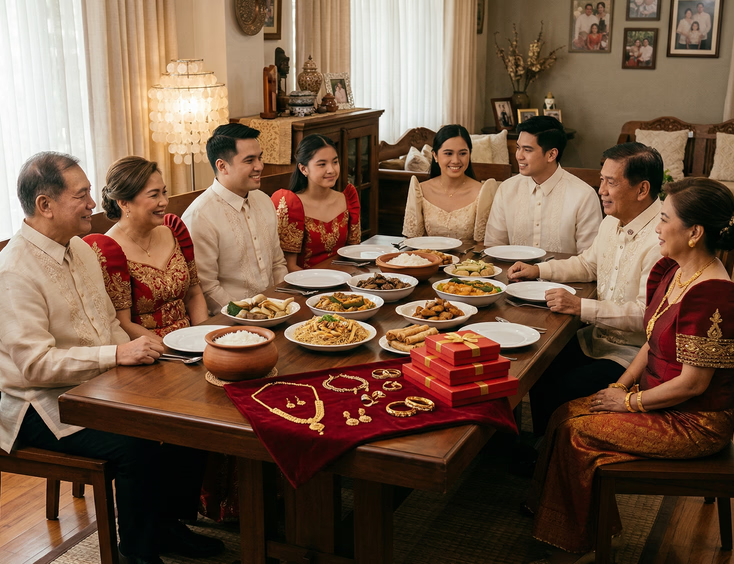
The Chinoy Tea Ceremony Explained: What It Means and How It Works
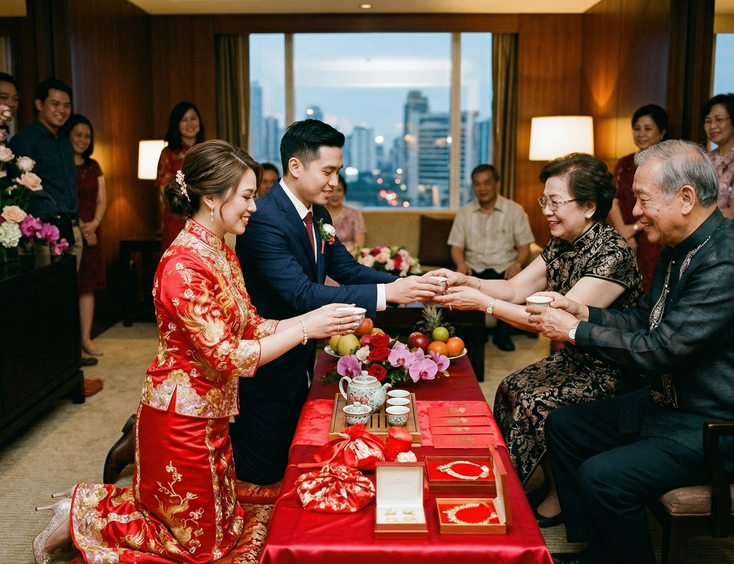
The tea ceremony is the moment in a Chinoy wedding that carries the most emotional weight. It is quieter than the church ceremony and less theatrical than the banquet, but for the couple and their families, it is the ritual that matters most. Understanding what happens, why it happens, and what each element represents helps you appreciate it fully, whether you are the couple performing it or a guest watching from the side of the room.
What the Tea Ceremony Is
The tea ceremony is the formal act by which a newly married Chinoy couple presents themselves to both families and receives recognition as a married pair. It is rooted in Confucian values of filial piety, the deep respect for parents and elders that sits at the center of Chinese family life.
When the couple serves tea to their elders, they are not simply offering a drink. They are performing an act of deference to the people who came before them. The elder who accepts the cup and gives a gift in return is acknowledging the couple, welcoming the new spouse into the family, and offering a blessing for the marriage. The exchange of tea for gifts makes the ritual mutual. The couple serves. The family blesses. Both sides fulfill a role.
For context on where the tea ceremony fits within the full wedding day, read the complete guide to a Chinoy wedding in the Philippines.
Where It Comes From
The tea ceremony in Chinese weddings traces back to the Tang Dynasty, where it appeared as a formal rite within imperial weddings. Over centuries it moved from the court into everyday Chinese family life, adapting as Chinese communities spread across Southeast Asia.
The Filipino-Chinese community, composed largely of Hokkien-speaking migrants from Fujian province and their descendants, brought the tea ceremony with them. Hokkien wedding customs form the backbone of most Chinoy wedding traditions in the Philippines, including the tea ceremony format, the gift-giving order, and the specific types of tea used.
The ceremony has remained largely intact across generations of Chinoy families in the Philippines, even as other traditions have simplified or faded. Most Chinoy families, regardless of how assimilated they are into Filipino culture, still hold a tea ceremony on the wedding day.
When It Happens
Chinoy families schedule the tea ceremony at different points in the wedding day depending on logistics and family preference.
Some families hold the tea ceremony in the morning at the bride's family home before the church ceremony. This sequence puts the Chinese ritual first and the Catholic ceremony second, which some families prefer because it separates the two clearly.
Other families hold the tea ceremony at the reception venue between the church ceremony and the start of the banquet. In this sequence, the couple arrives at the venue, changes into tea ceremony attire, completes the ritual in a private function room or a designated space in the ballroom, and then begins the reception program.
A smaller number of families hold the tea ceremony the day before the wedding as a standalone event. This works well for very large families where the number of elders to serve would take too long if scheduled on the wedding day itself.
Whichever schedule the family chooses, the tea ceremony always happens before the couple sits down for the banquet. It is not a post-dinner ritual.
The Setup
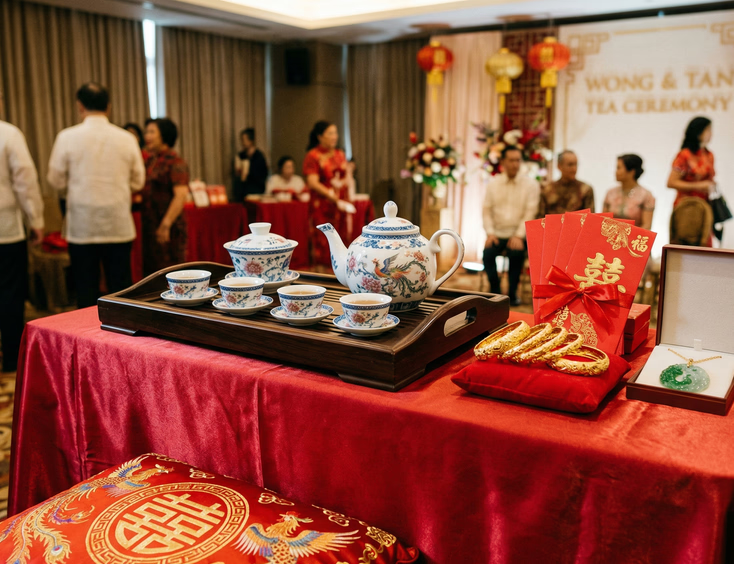
The tea ceremony setup is specific and consistent across most Chinoy families. A rectangular or square table is covered with a red tablecloth. On the table sits a tea set, typically a ceramic or porcelain set in red, gold, or a traditional blue and white Chinese design. The teapot, the teacups, and a tray are arranged on the table.
A kneeling cushion or a low stool sits in front of the table for the couple. Red is the standard color for the cushion. Some families use two cushions, one for the bride and one for the groom. Others use a single wider cushion for both.
The table also holds the gifts the couple will receive. Families often pre-arrange the jewelry and ang pao at the table so they are accessible as each relative completes the blessing. Other families have elders bring their own gifts to present personally.
The room where the ceremony takes place is usually private or semi-private. Some families hold it in a hotel suite, a side function room, or a cordoned section of the reception hall. The intimacy is deliberate. The tea ceremony belongs to the family, not to the full guest list.
What the Couple Wears
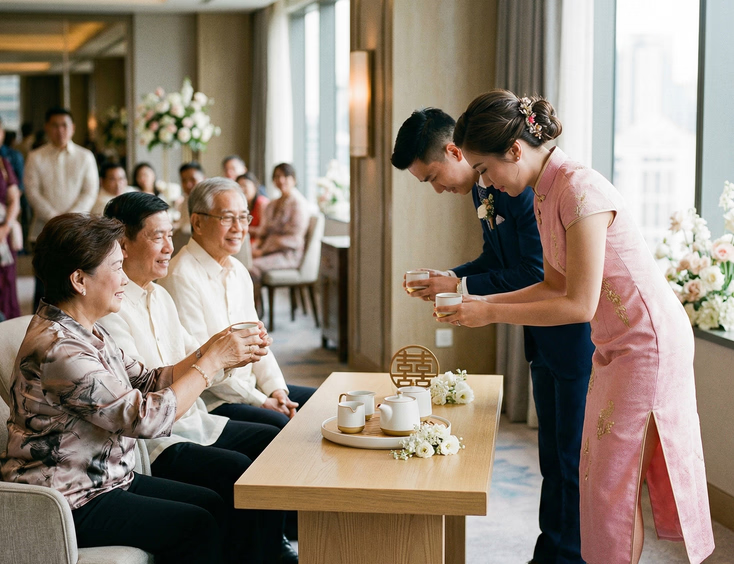
The bride wears a qipao or cheongsam for the tea ceremony. This is a form-fitting Chinese dress with a mandarin collar and side slits, traditionally in red, though deep pink, gold, and burgundy are also common. The qipao worn at the tea ceremony is usually embroidered with auspicious motifs. A dragon and phoenix pair is the most traditional, with the dragon representing the groom and the phoenix representing the bride. Together they symbolize the balance and harmony of the union.
The groom wears a suit, typically in black, navy, or charcoal. Some grooms wear a Chinese-style tang suit or changshan, a mandarin-collared jacket in a matching red or gold to complement the bride's qipao. This choice depends on the family's preference and how traditionally Chinese they present their wedding.
The bride's hair is usually styled up to show the embroidery at the collar of the qipao and to allow the elder women to see and give the gold jewelry clearly during the ceremony.
The Tea
The tea used in the ceremony is not chosen at random. Three types appear most often at Chinoy weddings in the Philippines.
Chrysanthemum tea is the most common. It is mild, light in color, and associated with longevity and good health in Chinese culture. Red date tea, made from dried jujube, is also popular because red dates symbolize good luck and fertility. Longan tea, sweet and fragrant, carries associations with family prosperity.
Some families use a red date and longan combination, brewing both together for a tea that doubles the symbolism. Families with strong Hokkien roots may also add wolfberries to the brew.
The tea is brewed before the ceremony begins and kept warm in the teapot throughout. The same tea serves the entire family.
The Sequence of Serving
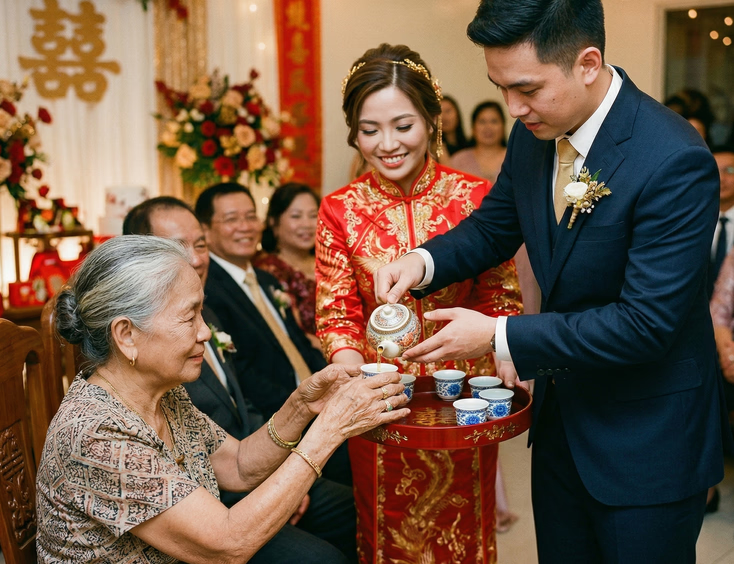
The couple kneels before the first elder and the groom pours the tea. Two cups are filled. Both the bride and the groom hold the tray together and present it to the elder with both hands. Presenting with both hands is a sign of respect. Handing the cup with one hand is considered careless.
The elder accepts the cup with both hands, takes a sip or drinks it fully, and then offers a blessing to the couple. The blessing may be spoken aloud or said quietly. The elder then gives the couple their gift before the couple stands and moves to the next person.
The bride receives jewelry as it is given and puts it on immediately. By the end of the tea ceremony, she is wearing every piece she has received from both families. This is intentional. The accumulated jewelry represents the family's welcome and their wish for her prosperity.
The sequence moves from the most senior to the least senior. Within the same generation, age determines order. The groom's family is typically served first, followed by the bride's family, though families sometimes alternate between sides.
Serving order matters enough that some families write out the sequence and hand it to the emcee or a family member assigned to call the next person forward.
What Elders Give
Gold jewelry is the most traditional gift at a Chinoy tea ceremony. Gold necklaces, bangles, earrings, and rings all appear. Jade pieces, particularly jade bangles and pendants, are also significant. In Chinese culture, jade represents protection, purity, and longevity. A jade bangle given by a mother-in-law to her new daughter-in-law carries particular meaning, and many Chinoy brides keep these pieces for life.
Ang pao envelopes accompany or replace jewelry depending on the elder's preference. The amounts inside follow the same numerology as guest ang pao, favoring numbers with 8 and avoiding those with 4. Senior elders like grandparents and parents give significantly more than aunts and uncles.
Some elders give a combination of jewelry, ang pao, and a spoken blessing. Others give a single meaningful piece with particular family significance, such as a piece that belonged to the grandmother or a jade item passed down through generations.
For more on how ang pao amounts work and what numbers to use or avoid, read ang pao etiquette at a Chinoy wedding: how much to give and what you need to know.
Children of the Couple and Younger Relatives
Once the couple finishes serving all elders, the dynamic reverses. Younger relatives, particularly children in the family, serve tea to the couple. These younger relatives kneel before the couple and offer their cup. The couple accepts, drinks, and gives the children ang pao in return.
This reversal reinforces the structure. The couple shows deference upward to elders and receives deference downward from those younger. It places the couple at the center of a generational chain, connected to those who came before and those who will come after.
How Modern Chinoy Couples Adjust the Ceremony
Families with large extended networks used to include every relative in the serving sequence, sometimes running the ceremony for over an hour. Younger Chinoy couples today often limit the ceremony to immediate family, serving parents, grandparents, and a small circle of aunts and uncles rather than every cousin and distant relative.
Some couples hold the ceremony without kneeling, using a standing bow instead. This adjustment accommodates elderly guests who find it uncomfortable to be knelt before repeatedly, or venues where the floor setup makes kneeling impractical.
Others simplify the tea itself, serving a single type rather than preparing multiple varieties. A few couples skip the traditional qipao and hold the ceremony in a contemporary Chinese-inspired outfit that is less formal but still distinct from the church attire.
None of these adjustments diminish the ceremony. The act of serving tea to elders and receiving their blessing remains intact regardless of how the surrounding details are handled. The meaning lives in the exchange, not in the length or formality of the setup.
For a broader look at how modern Chinoy couples are reshaping their traditions while holding onto their core, read modern Chinoy weddings: how Filipino Chinese couples are reinventing their traditions.
Planning the Tea Ceremony
The tea ceremony requires coordination that goes beyond buying a tea set and a red tablecloth. The couple needs to map out the serving sequence, confirm who will be present, brief a family member on calling each person forward in order, and prepare the gifts for younger relatives who will serve them tea at the end.
The qipao needs to be commissioned or rented well in advance. A custom qipao from a trusted tailor takes several weeks. Rental options are available in Metro Manila and Cebu, but quality pieces book quickly around peak wedding season.
The tea set, the kneeling cushion, the red tablecloth, and the tray are items most Chinoy families already own or can borrow from relatives. First-time couples who need to source these items will find them at Chinese specialty shops in Binondo, along Ongpin Street, or through suppliers in Divisoria.
A wedding coordinator familiar with Chinoy weddings manages the tea ceremony timeline, ensures the serving sequence runs smoothly, and handles the transition from the ceremony to the church or the reception. Browse the wedding planners and coordinators directory to find coordinators with experience in Filipino-Chinese wedding traditions.
For a complete look at what a Chinoy wedding day involves beyond the tea ceremony, including what happens at a Chinoy wedding from the betrothal to the send-off, read that guide alongside this one.
Still Searching for a Right Match?
Find Your Perfect Wedding Supplier Today!
Discover trusted wedding suppliers across the Philippines in our complete directory. Compare services and connect with the ones that fit your dream celebration.
Browse Wedding SuppliersFeatured Posts
Regional Wedding Customs Every Filipino Couple Should Know
23 mins readThe Complete Guide to Filipino Wedding Invitations: From Traditional Customs to Modern Trends
12 mins readThe Complete Filipino Couple's Guide to Wedding Rings & Bands in the Philippines: Traditions, Styles, Budgets & Where to Buy
22 mins read