

The 12-Course Chinoy Wedding Banquet: Every Dish Explained and Why It Matters
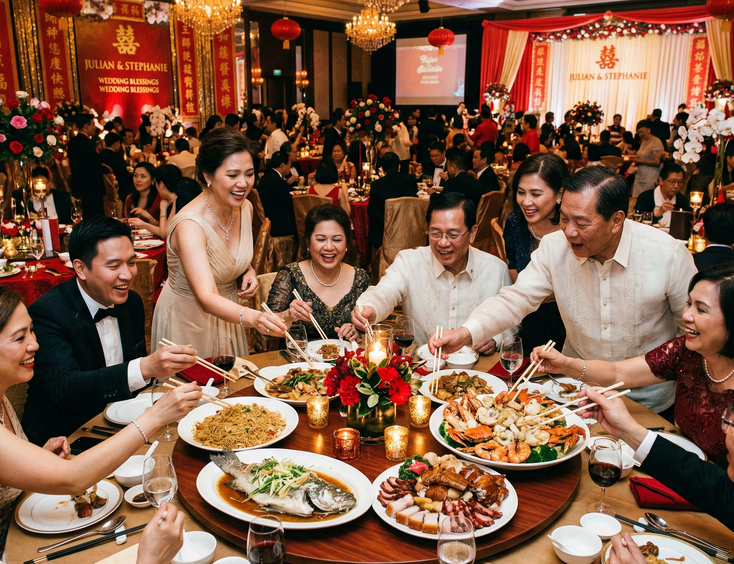
The food at a Chinoy wedding reception is not background to the celebration. It is the celebration. A 12-course Chinese banquet runs for two to three hours, course by course, shared from the center of a round table, and every dish that arrives carries a meaning that most guests have never been told. Understanding what each course represents changes how you experience the meal, whether you are sitting at the head family table or at a guest table near the back of the room.
Why the Banquet Has 12 Courses
Twelve is the number of months in a year. Serving twelve courses at a wedding banquet expresses the wish that the couple's prosperity, harmony, and good fortune carry through every month of every year together. The number also reflects the Chinese value of abundance. A banquet that ends before guests feel fully satisfied signals a host who did not give generously. A table that overflows signals one who did.
The courses arrive in a specific sequence managed by the kitchen and the service team. The sequence is not random. Each transition from one course to the next follows a logic of flavor, texture, and symbolism that experienced Chinese banquet chefs understand. Disrupting the sequence or skipping courses breaks the continuity of the meal and the symbolic narrative it carries.
For context on how the banquet fits within the full reception program, read what happens at a Chinoy wedding: a step by step guide to every tradition and ritual.
Course One: Cold Appetizer Platter
The meal opens with a cold appetizer platter arranged at the center of the lazy Susan before the first guests sit down. The platter typically includes a combination of items: marinated jellyfish, cold cuts of roasted duck or char siu pork, century egg slices, pickled vegetables, and cold prawn rolls.
The jellyfish is the most distinctly Chinese element of this platter. Its texture, crunchy and slightly chewy when well-prepared, is an acquired preference for guests unfamiliar with Chinese cuisine, but it appears at nearly every formal Chinese banquet. The marination in sesame oil, vinegar, and chili makes it bright and clean-tasting. At a well-run banquet, the jellyfish arrives cold and fresh. At a poorly managed one, it arrives at room temperature and loses its appeal entirely.
The platter is designed to stimulate appetite and ease guests into the meal. It requires no cooking at the table, which means the kitchen can have it ready before the reception program begins.
Course Two: Soup
The soup course at a Chinoy wedding banquet is among the most expensive on the menu and the one that most directly signals the family's level of hospitality.
The traditional choice is shark's fin soup, a thick, gelatinous broth with strands of shark's fin running through it. Most modern Chinoy couples have moved away from shark's fin for a combination of ethical and cost reasons. The alternatives served in its place range in quality and cost but are widely accepted by guests and families alike.
Fish maw soup replaces shark's fin in many contemporary Chinoy receptions. Fish maw, the dried swim bladder of a large fish, has a similar gelatinous texture and absorbs the flavors of the broth well. It carries its own symbolism: fish maw represents abundance and is considered a premium ingredient in Chinese cooking.
Crab meat and corn starch soup, thick and golden-yellow, is another common replacement. Abalone and mushroom soup appears at higher-budget receptions. All of these options produce a dish that honors the soup course tradition without the ethical and financial weight of shark's fin.
The soup is ladled into individual bowls from a large tureen at the center of the table and served while hot. Each guest receives a full bowl. The soup course sets the tone for the banquet. A rich, well-seasoned, properly thick broth signals that what follows will be equally considered.
Course Three: Roasted Meat Platter
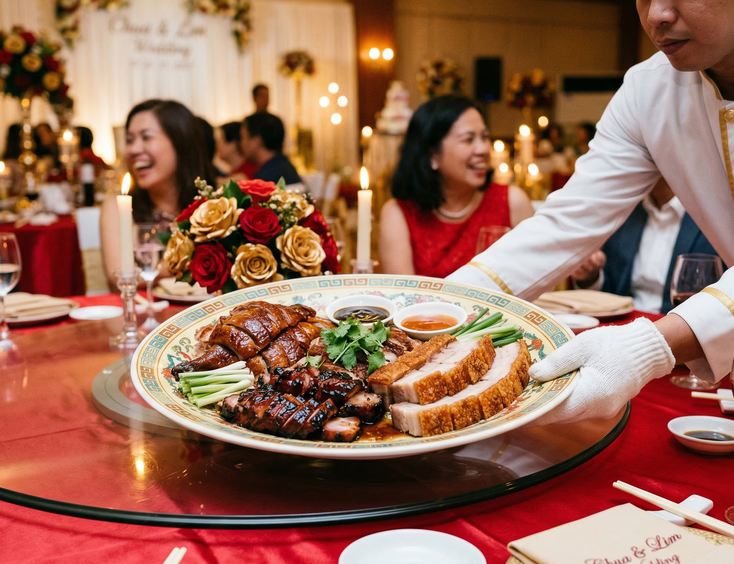
The third course brings a warm platter of roasted meats, typically a combination of Chinese roast duck, char siu barbecued pork, and crispy roast pork belly called lechon kawali in Filipino but prepared here in the Cantonese style with a crackled, lacquered skin.
The roasted meats represent prosperity and the fullness of life. Duck in particular carries symbolic meaning in Chinese culture because the word for duck in some dialects sounds close to words associated with happiness and togetherness. A whole duck presented at the table before carving amplifies this symbolism.
The platter rotates on the lazy Susan so every guest can serve themselves. This shared-platter format runs throughout the banquet. No guest receives an individually plated portion until later courses. The round table, the lazy Susan, and the shared dishes work together to create the communal eating experience that defines Chinese banquet dining.
Course Four: Premium Seafood
The fourth course features a premium seafood dish, and the choice here reflects the family's budget and the chef's specialty. Common options include wok-fried lobster in butter and garlic, scallops with asparagus, prawns in a black bean sauce, or sea cucumber braised with mushrooms.
Sea cucumber appears at more traditional Chinoy receptions because it is considered a high-value ingredient associated with good health and longevity. Its texture is unfamiliar to non-Chinese guests, but its presence on the menu signals that the family has not cut corners on the ingredients that matter to the community.
Wok-fried lobster is visually dramatic and crowd-pleasing. A large lobster split and cooked in a fragrant sauce arrives at the table and draws immediate attention. For families who want a course that photographs well and delights guests regardless of their familiarity with Chinese cuisine, lobster works at every table.
Course Five: Abalone
Abalone occupies a position of particular prestige in Chinese banquet culture. It is one of the most expensive seafood ingredients in Chinese cooking and its presence at a wedding banquet signals significant generosity from the host family.
Fresh abalone, braised abalone, and canned premium abalone all appear at Chinoy wedding receptions at different price tiers. Braised abalone with oyster sauce, served over a bed of braised lettuce or bok choy, is the most common preparation. The abalone is sliced and fanned across the plate or served whole, one per person, which is the more formal presentation.
Families who serve one whole abalone per guest at a table of ten are making a statement about their level of hospitality. Families who serve a shared abalone dish where several pieces are sliced and rotated on the lazy Susan are still honoring the tradition at a more accessible cost.
Abalone represents longevity, good fortune, and prosperity. Its cost ensures it retains its meaning as a gift to guests rather than a casual menu item.
Course Six: Vegetables with Dried Seafood
A braised vegetable dish follows the abalone course. The most traditional presentation features braised dried oysters and black moss, called ho see fat choy in Cantonese. The phrase ho see fat choy sounds in Cantonese like a greeting wishing good things and prosperity, which is why the dish appears at virtually every formal Cantonese celebration.
The black moss sits atop the braised vegetables and creates a visually striking dish that long-time Chinoy banquet guests recognize immediately. It is paired with fat choy, the dried seaweed-like ingredient, and nai bai or another leafy green braised until soft.
This course provides balance in the meal. After three consecutive courses of rich proteins and seafood, the braised vegetable dish offers a lighter, cleaner flavor that prepares the palate for the courses ahead.
Course Seven: Whole Steamed Fish
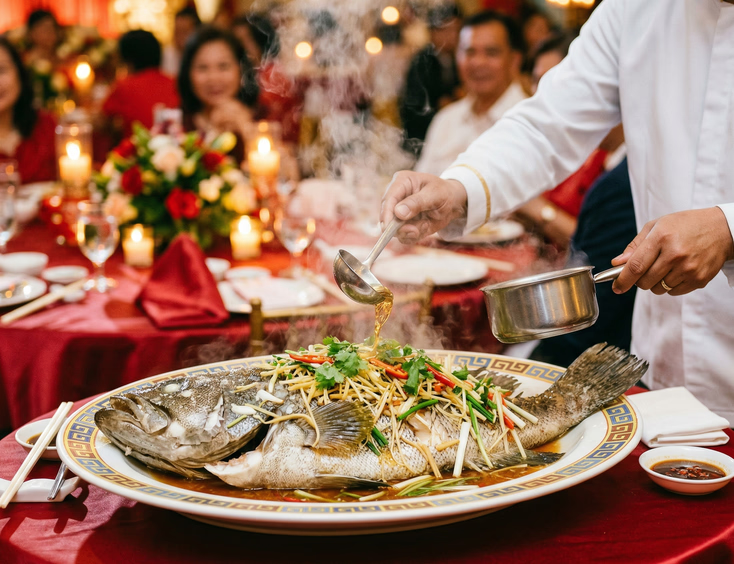
The whole fish course is one of the most symbolically significant dishes of the banquet. A large whole fish, typically a garoupa, lapu-lapu, or maya-maya, is steamed with ginger and scallions and presented at the table with its head and tail intact.
The intact fish represents completeness and wholeness. Serving a fish with the head and tail attached signals that everything in the couple's life together will be complete, nothing missing, nothing cut short. A fish served filleted or portioned loses this symbolism entirely.
One of the most important etiquette rules for guests at a Chinoy banquet concerns this course. Flipping the fish over once the top side has been eaten is considered bad luck. The fish should never be turned. Guests who want the meat from the underside of the fish should lift the bones from the center and remove them to access the lower flesh without turning the fish onto its other side.
The fish is placed at the head of the table pointing toward the couple or the most honored guests. The head of the fish is the most prestigious piece and is typically offered to the senior elder at the table.
For a broader look at how food and symbolism work together across the reception, read the complete guide to a Chinoy wedding in the Philippines.
Course Eight: Duck or Chicken
A braised or roasted duck dish, or in some receptions a whole chicken preparation, follows the fish. Braised duck in soy and spices, Peking duck served with pancakes and hoisin sauce, or a whole chicken in ginger and spring onion oil all appear depending on the chef's specialty and the family's preference.
Chicken carries a specific symbolic role at Chinoy weddings. A whole chicken served at the family table during the pre-wedding betrothal gifts traditionally represents the bride's family. A whole chicken presented with its head, tail, and feet intact signals completeness and readiness for the new life ahead. At the reception banquet, chicken continues to carry associations with good family life and domestic harmony.
Peking duck has become a popular choice at modern Chinoy receptions because it involves tableside carving and interaction, which creates an engaging moment in the meal and photographs well. Guests wrap thin pancakes with duck slices, cucumber strips, spring onion, and hoisin sauce. The format is interactive and festive.
Course Nine: Rice or Braised Dish
A braised rice or claypot rice dish arrives at the ninth position. Yangzhou fried rice, braised rice with preserved meats, or a thick braised tofu dish with minced pork are common choices.
Rice holds foundational symbolic meaning in Chinese culture. It represents sustenance, sufficiency, and the stability of everyday life. Including it in a wedding banquet expresses the wish that the couple will always have enough: enough food, enough resources, enough to share with the people they love.
The rice course also serves a practical function in the banquet sequence. Guests who have been eating for close to two hours welcome a more grounding dish before the noodles that follow. The rice course slows the pace of the meal slightly and prepares the table for the final savory course.
Course Ten: Noodles
The noodle course is among the most symbolically loaded dishes of the entire banquet. Long noodles represent a long life, and they must be served uncut. The length of the noodle corresponds to the length of the life wished upon the couple. Cutting the noodles before serving them shortens this symbolic wish.
E-fu noodles, a Cantonese egg noodle prepared in a golden, slightly chewy texture, are the standard choice. They absorb sauce well and hold their texture even as the lazy Susan rotates them across the table. They are typically prepared in a broth with mushrooms, abalone, or a combination of savory toppings.
Guests at a Chinoy banquet understand not to bite noodles off at the bowl's edge. You twirl them in. You allow the full length to enter your mouth rather than cutting them with your teeth at the rim. For guests unfamiliar with this practice, watching how more experienced diners handle the noodle course is the easiest way to follow correctly.
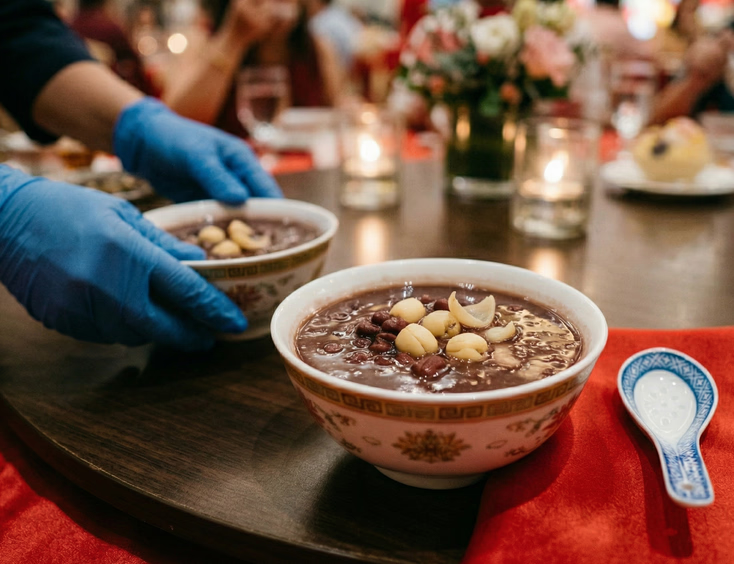
Course Eleven: Sweet Soup Dessert
A warm sweet soup arrives as the first dessert. Red bean soup, tong sui with lotus seeds and lily bulbs, or a sweet peanut paste soup are the most common choices. Each carries its own symbolism.
Red bean soup represents happiness and sweet new beginnings. Lotus seeds, when paired with lily bulbs, form a combination that sounds in Cantonese like a phrase expressing the wish for one hundred years together. Sweet soups in Chinese culinary tradition are warming, soothing, and specifically associated with celebration.
The sweet soup signals that the meal is entering its final phase. After three hours of rich dishes, the gentle sweetness of a warm soup dessert resets the palate and prepares guests for the final course.
Course Twelve: Fresh Fruit or Sweet Pastry
The meal closes with a fresh fruit platter or a plate of traditional Chinese pastries, sometimes both. Lychee, longan, and oranges are common on the fruit platter. Each of these fruits carries auspicious meaning: lychee sounds in Cantonese like a phrase expressing beneficial outcomes, longan means dragon eye and represents good fortune, and oranges represent wealth and abundance.
Chinese wedding pastries, including egg tarts, buchi or sesame balls, and tikoy preparations, may accompany or replace the fruit at some receptions. Tikoy, the glutinous rice cake associated with Chinese New Year and celebration, appears at many Chinoy wedding banquets as a nod to the betrothal gift tradition where tikoy is exchanged between families during the engagement.
The fruit course ends the meal on a clean, fresh note. After twelve courses and several hours at the table, a plate of cold sweet fruit gives guests a final, satisfying close to what has been a full and generous meal.
What Separates a Good Banquet from a Great One
The twelve courses themselves are only the starting point. A great Chinoy wedding banquet paces them correctly: no course arrives before the previous one is cleared, no table waits ten minutes between courses, and the kitchen sends out each dish to every table simultaneously so no section of the room is eating while another waits.
The lazy Susan stays clear enough between courses for the next dish to arrive without crowding. The service team manages the rotation actively, removing finished platters and positioning new ones without disrupting the conversation at the table.
Families selecting their caterer or venue for the banquet should ask specifically how the kitchen manages course timing across a full room. A kitchen that has run twelve-course Chinese banquets at scale handles this with a production schedule. A kitchen that has not will improvise, and the timing shows.
For guidance on choosing a venue with the kitchen experience to deliver this correctly, read the Chinoy wedding venue guide: what to look for in a banquet hall or restaurant in the Philippines.
Couples planning the banquet menu alongside their full wedding budget should read how to plan a Chinoy wedding on a budget without skipping the important traditions for a clear guide on where to invest within the menu and where to make smart adjustments.
A wedding coordinator experienced in Chinoy receptions helps couples navigate caterer selection, menu planning, and banquet logistics from a position of firsthand knowledge. Browse the wedding planners and coordinators directory to find coordinators who have managed the details of a 12-course Chinese banquet reception before.
Still Searching for a Right Match?
Find Your Perfect Wedding Supplier Today!
Discover trusted wedding suppliers across the Philippines in our complete directory. Compare services and connect with the ones that fit your dream celebration.
Browse Wedding SuppliersFeatured Posts

Regional Wedding Customs Every Filipino Couple Should Know
23 mins readThe Complete Guide to Filipino Wedding Invitations: From Traditional Customs to Modern Trends
12 mins readThe Complete Filipino Couple's Guide to Wedding Rings & Bands in the Philippines: Traditions, Styles, Budgets & Where to Buy
22 mins read