

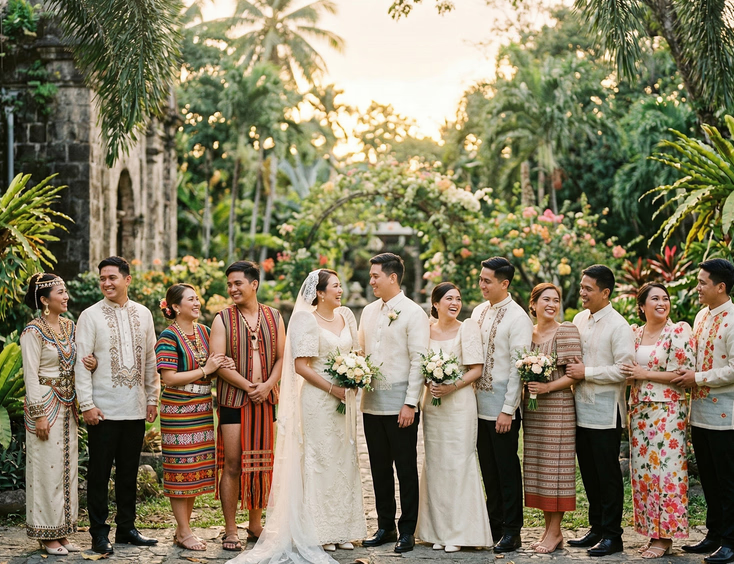
Should the Bride Shoulder Bridesmaid Costs in a Filipino Wedding
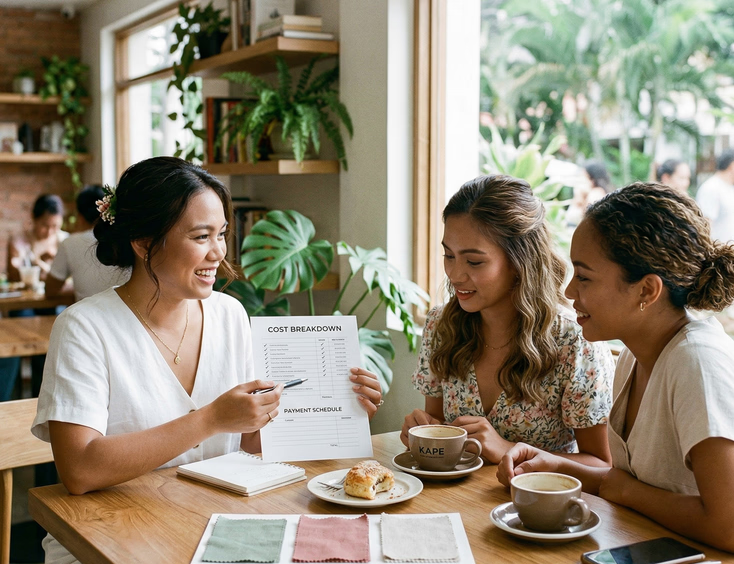
Filipino weddings do not have a single rule on who pays for bridesmaid gowns. Different families, different regions, and different budgets produce different answers. What matters is that you decide early, communicate it clearly, and do not let the assumption sit unspoken until someone feels blindsided.
What the Expectation Actually Is in the Philippines
In many Filipino weddings, bridesmaids pay for their own gowns. This is the common practice, particularly in middle-class weddings where the bride's family is already covering ceremony, reception, catering, and styling costs. The bridesmaid covers her gown, her hair and makeup, and her own transportation.
In wealthier weddings or in families where the tradition leans toward the host covering everything, the bride or her family shoulders the gown cost. Some brides split it: they cover the fabric and the bridesmaids pay for their own dressmaker fees. Others cover the gown entirely but ask bridesmaids to handle their own accessories.
None of these arrangements is wrong. The problem comes when no one states the arrangement out loud before commitments are made.
Why This Conversation Gets Avoided
Talking about money with friends and family feels uncomfortable in Filipino culture. There is a tendency to assume that close relationships absorb the financial ask without friction. A bride asks her best friend to be a bridesmaid, and neither of them explicitly discusses who pays for what, because raising it feels transactional.
The discomfort is real but the silence costs more. A bridesmaid who assumes the bride is covering costs and then receives a 6,000 peso invoice from the dressmaker two months before the wedding is not in a better situation for having avoided the conversation earlier. Neither is the bride who assumes her bridesmaids budgeted for their gowns and discovers mid-planning that two of them cannot afford the fabric she chose.
If you want a practical framework for having the money conversation without damaging the relationship, how to talk to your bridesmaids about money without making it awkward covers how to approach it directly.
What the Gown Cost Actually Covers
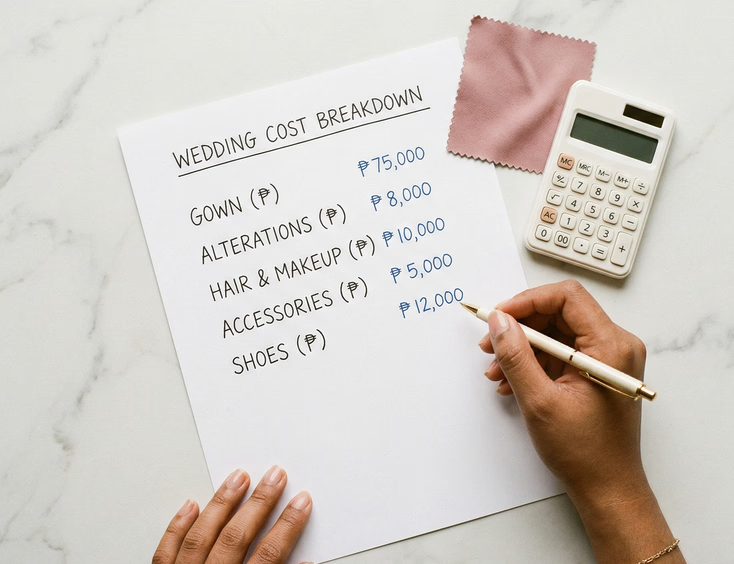
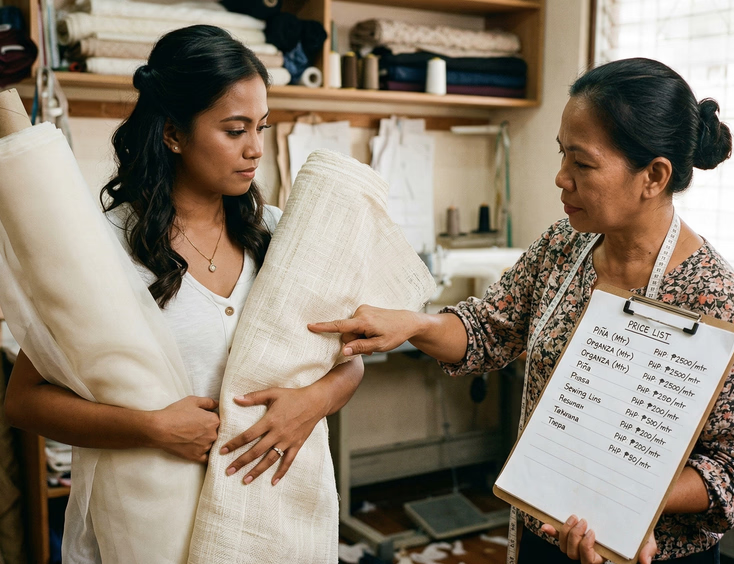
The cost of a bridesmaid gown in the Philippines varies significantly depending on the sourcing route. A ready to wear gown from a boutique might run 2,500 to 5,000 pesos before alterations. A custom made gown from a mid-range dressmaker runs 4,000 to 8,000 pesos depending on fabric and construction. A designer Filipiniana gown in piña or jusi can exceed 15,000 pesos per piece.
Alterations on a ready to wear gown add 500 to 2,000 pesos depending on the extent of the work. Hair and makeup for the wedding day, if the bridesmaid is expected to use the bride's chosen artist, adds another 2,500 to 5,000 pesos. Accessories, shoes, and transportation are on top of that.
The total ask on a bridesmaid for one wedding day can range from 8,000 to 25,000 pesos or more. That is a material financial commitment for someone on a regular salary. When you factor in that many bridesmaids are also attending the despedida de soltera, the bridal shower, and pre-wedding events, the full cost of being a bridesmaid compounds.
When the Bride Should Consider Covering Gown Costs
If you are choosing an expensive fabric like piña or jusi, covering the gown cost is fair. You are the one who chose a premium material. Passing that cost to bridesmaids who would have been happy in organza places your aesthetic preference on their budget.
If your bridesmaids are younger, earlier in their careers, or you know that money is tight for them, covering the gown removes a barrier that might otherwise create quiet resentment. A bridesmaid who is stressed about affording the gown is not fully present on your wedding day.
If you are asking for a highly specific gown that can only be sourced from one supplier or one dressmaker, and your bridesmaids have no flexibility in the choice, absorbing the cost acknowledges that you are making the decision for them.
When It Is Fair to Ask Bridesmaids to Pay
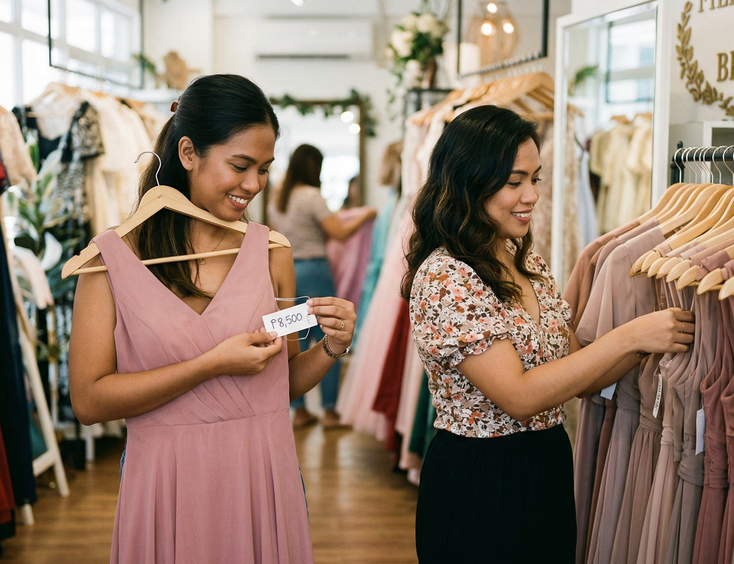
If you are giving your bridesmaids genuine flexibility in choosing their silhouette, sourcing their own gown within a loose brief, and working within a reasonable budget range, asking them to cover the cost is reasonable. They are making their own choices within your guidelines.
If the gown is simple, budget-friendly, and wearable beyond the wedding, the financial ask is smaller and more defensible. A clean chiffon gown in a neutral color that a bridesmaid can wear to future events is a different proposition from a highly specific gown she will wear once.
If your bridesmaids offered to be part of your entourage enthusiastically and knew the general scope going in, the expectation that they contribute financially is not unfair.
The Middle Options
Full coverage and full cost-passing are not the only arrangements. Several middle paths work well in practice.
You cover the fabric and your bridesmaids pay their own dressmaker fees. This keeps color consistent because everyone sources from the same bolt, and it distributes the construction cost to the individual. For a group of six, this can save you 24,000 to 36,000 pesos while still giving you control over the most important visual element.
You set a budget cap. You tell your bridesmaids the gown should cost no more than 4,000 pesos and you choose options within that range. You do not cover the cost but you take responsibility for keeping the ask manageable.
You cover gowns for bridesmaids who are in a harder financial position and ask the others to pay. This requires discretion. If two bridesmaids know you covered one gown and not theirs, the arrangement needs a clear and private explanation to avoid hurt feelings.
For the full breakdown of how to approach costs across different budget situations, budget friendly ways to dress your bridesmaids without sacrificing style covers practical options across both ready to wear and custom gown routes.
What Gown Choice Has to Do With Cost Responsibility
The more specific your gown requirements, the stronger the case for covering costs yourself. A bride who wants Filipiniana gowns in hand-embroidered piña from a specific designer is making a high-cost aesthetic choice. A bride who says "knee-length dusty rose gown, any style you like, ready to wear is fine" is giving her bridesmaids genuine agency over the financial decision.
The sourcing route also matters. Custom made gowns require your bridesmaids to attend multiple fittings, which costs them time as well as money. Ready to wear with alterations is faster and cheaper. If you are leaning toward custom made, ready to wear versus custom made bridesmaid gowns in the Philippines breaks down what each option demands from the bridesmaids beyond the price tag.
You can also browse bridesmaid gown suppliers to compare price points across both options before you set expectations with your entourage.
What Happens When You Do Not Discuss It
The most common outcome of avoiding this conversation is that the bride assumes her bridesmaids know they are paying, and the bridesmaids assume the bride will tell them if she needs them to pay. Both sides wait. The wedding gets closer. Someone raises it awkwardly at the worst possible moment.
State the arrangement when you ask someone to be your bridesmaid. One sentence is enough. "I am covering the gowns" or "I will need you to cover your own gown, which should be around 4,000 pesos" lands cleanly when it comes early. It lands badly when it comes after someone has already said yes and planned their finances around an assumption.
If you have already skipped this conversation and the wedding is approaching, raise it now rather than later. The longer you wait, the harder the correction becomes.
Accessories and Hair and Makeup
Gown costs are the largest single item but not the only one. If you have preferences on bridesmaid jewelry, state early whether you are providing it or expecting your bridesmaids to source their own within a guideline. A specific request for freshwater pearl earrings from a particular supplier is a cost you should either cover or flag explicitly.
Hair and makeup costs depend on your arrangement with your artist. Some bridal packages include bridesmaid slots at a group rate. Some do not. If your bridesmaids are expected to use your chosen artist and pay their own rate, tell them the figure before they commit. You can browse jewelry and accessories suppliers if you want to provide coordinated accessories as part of a package you cover yourself.
The Decision
Decide based on what you are asking of your bridesmaids, what the gown will cost them, and what you can absorb. The cultural norm of bridesmaids paying their own way is real but it is not a rule that overrides the specifics of your situation.
Communicate the arrangement clearly and early. That single step prevents more bridesmaid friction than any other decision you will make.
For the full picture on managing your entourage well from selection through to the wedding day, the complete guide to bridesmaids in a Filipino wedding covers every stage of the process.
Still Searching for a Right Match?
Find Your Perfect Wedding Supplier Today!
Discover trusted wedding suppliers across the Philippines in our complete directory. Compare services and connect with the ones that fit your dream celebration.
Browse Wedding SuppliersFeatured Posts
The Complete Guide to Filipino Wedding Invitations: From Traditional Customs to Modern Trends
12 mins readThe Complete Filipino Couple's Guide to Wedding Rings & Bands in the Philippines: Traditions, Styles, Budgets & Where to Buy
22 mins read