

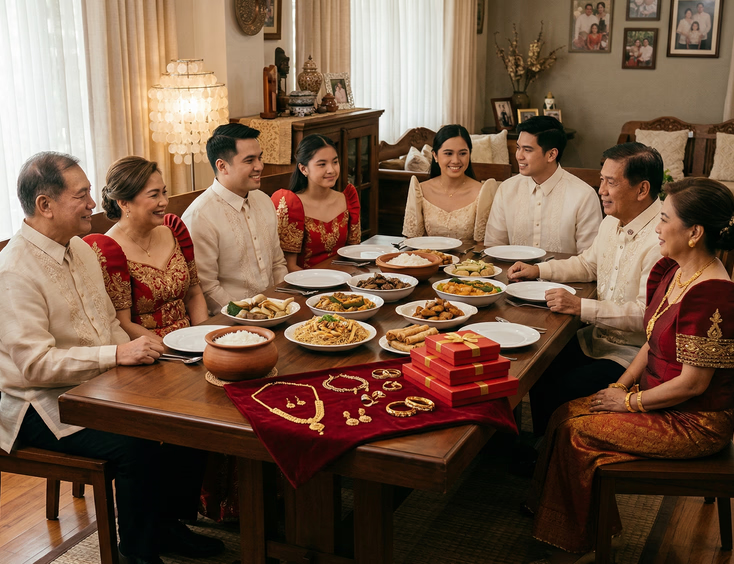
Requirements for a Civil Wedding When One Party Is Abroad
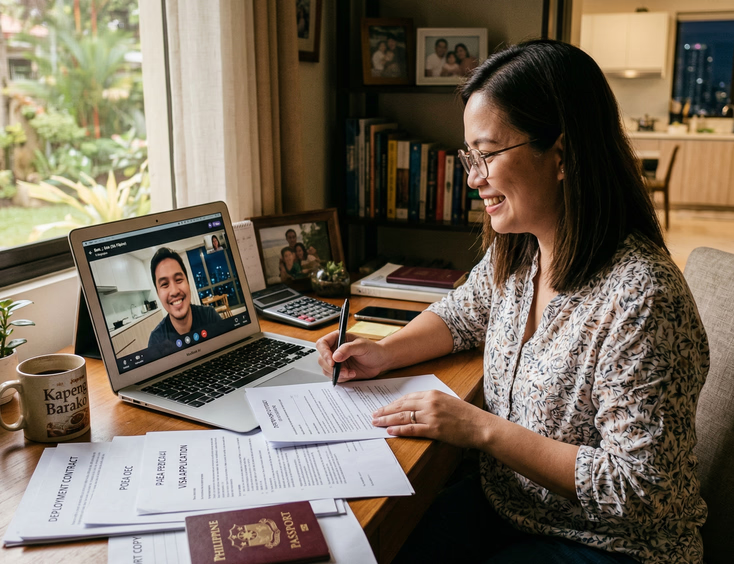
One partner is overseas. The other is in the Philippines. You want to get legally married. The process is possible, but it requires more paperwork, more lead time, and coordination across two countries.
The Philippine Statistics Authority and local civil registrars handle civil marriages. When one party is abroad, the absent partner cannot simply sign a form and email it over. The law requires specific steps depending on whether the overseas partner can return to the Philippines for the ceremony or cannot.
The Core Requirement: Both Parties Must Be Present
Philippine law requires both parties to appear in person before the solemnizing officer on the wedding day. No proxy marriages are allowed. The partner abroad must return to the Philippines for the actual ceremony.
What changes when one party is abroad is the document preparation process, not the ceremony itself. The overseas partner must secure and authenticate their documents from their country of residence before flying home.
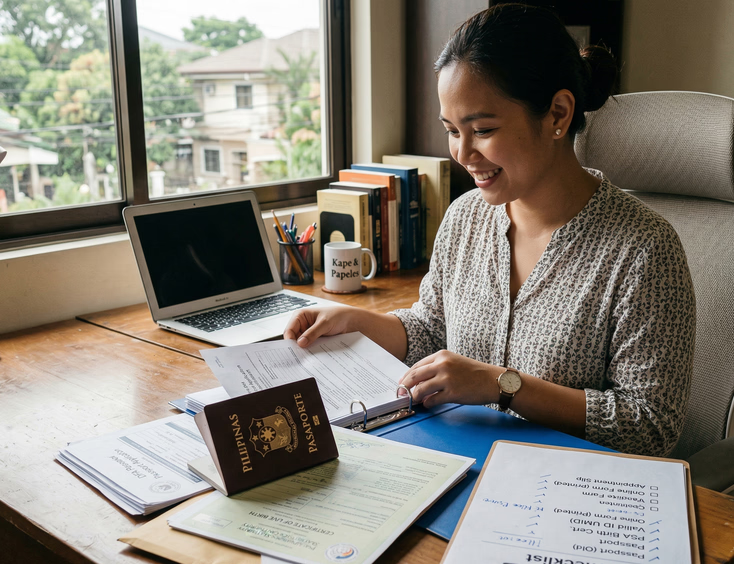
Documents the Overseas Partner Must Prepare
The partner abroad needs to gather the following before returning to the Philippines:
- A valid passport
- Certificate of No Marriage (CENOMAR) from the Philippine Statistics Authority, or its equivalent if the overseas partner is a foreign national
- Birth certificate authenticated by the Philippine Statistics Authority or the relevant foreign civil registry
- A certificate of legal capacity to marry, if the overseas partner is a foreign national, issued by their country's embassy in the Philippines
- Any previously issued divorce decree, death certificate of a former spouse, or annulment documents, if applicable
Documents issued abroad must go through authentication. For Philippine documents processed overseas, the Philippine Embassy or Consulate in the country of residence handles authentication. Foreign documents intended for use in the Philippines must carry an apostille or consular authentication depending on whether the issuing country is a signatory to the Hague Apostille Convention.
Documents the Partner in the Philippines Must Prepare
The partner staying in the Philippines follows the standard civil wedding document process:
- PSA-issued birth certificate
- Certificate of No Marriage from the PSA
- Valid government-issued identification
- Barangay clearance or residency certificate, depending on the local civil registrar's requirements
- Certificate of attendance at a pre-marriage counseling seminar, required by most local civil registrars
For a full breakdown of standard civil wedding requirements, the complete guide to judge wedding requirements in the Philippines covers every document and where to get each one.
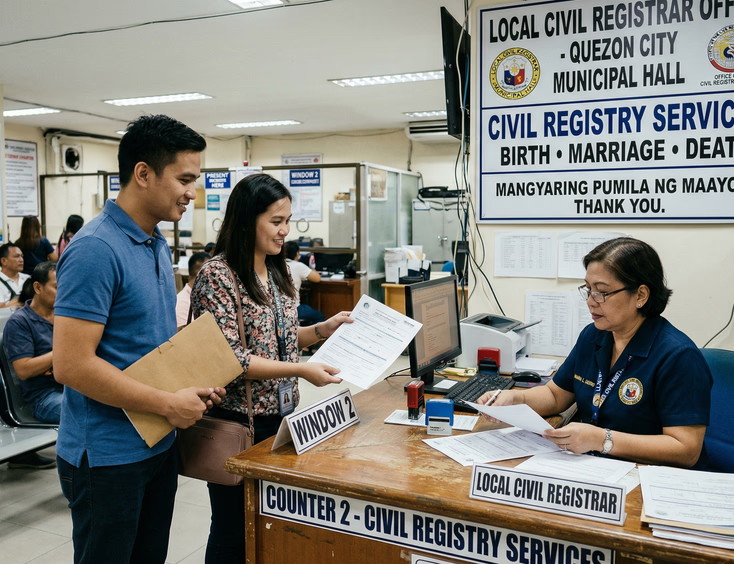
The Marriage License Application
Both parties must apply for a marriage license at the local civil registrar's office in the Philippines. The application requires both partners to appear in person. This creates a timing challenge when one party is abroad.
Plan the overseas partner's return to the Philippines around the marriage license application window. The civil registrar posts the marriage license application for ten days before issuing the license. Factor this into your timeline. You cannot rush it.
If the overseas partner cannot stay in the Philippines for the full waiting period, they need to time their arrival so the ten-day posting period ends before they need to return abroad. In most cases, couples plan the ceremony shortly after the license is issued to minimize the time the overseas partner needs to be home.
If the Overseas Partner Is a Foreign National
A foreign national marrying a Filipino in the Philippines must present a certificate of legal capacity to marry. This document comes from their country's embassy or consulate in the Philippines. Processing times vary by embassy. Some issue the certificate within a few days. Others take two to three weeks.
The foreign national also needs an apostilled or authenticated birth certificate from their home country and proof that no legal impediment to marriage exists under their national law. Requirements differ by nationality. Contact the relevant embassy directly to confirm what they require.

Timing and Lead Time
Budget at least two to three months of preparation time from the moment the overseas partner begins gathering documents to the wedding date. Authentication processes, embassy appointments, PSA document requests, and the ten-day marriage license posting period all run on their own schedules.
Document requests from the PSA through their online portal or Serbilis outlets typically take one to two weeks for delivery. Authentication at a Philippine Embassy abroad adds another week to three weeks depending on appointment availability and the embassy's processing load.
For a detailed look at how long the full requirements process takes, how long it takes to process all requirements for a judge wedding breaks down each step and its realistic timeline.
After the Ceremony
Once the ceremony concludes, the solemnizing officer submits the marriage certificate to the local civil registrar. The registrar forwards it to the PSA. The couple receives a PSA-authenticated marriage certificate within four to six months under standard processing, or sooner through expedited channels.
If the overseas partner needs proof of marriage quickly for visa or immigration purposes, request a certified copy of the marriage certificate directly from the local civil registrar immediately after the ceremony. This is not a PSA copy, but many embassies and immigration authorities accept it while the PSA copy is being processed.
If either party was previously married, read civil wedding requirements for annulled or widowed Filipinos before you begin document preparation. The additional requirements add time and steps that affect your overall timeline.
Managing the Coordination
Coordinating document preparation across two countries while managing ceremony logistics in the Philippines is operationally demanding. You are tracking authentication status abroad, PSA requests at home, civil registrar appointments, and a ceremony timeline, often across different time zones.
A coordinator familiar with civil weddings handles the local logistics, vendor bookings, and civil registrar coordination so the partner at home is not managing everything alone. Browse wedding planners and coordinators in the Philippines who have experience with civil wedding timelines and can work around the constraints of an overseas partner.
Still Searching for a Right Match?
Find Your Perfect Wedding Supplier Today!
Discover trusted wedding suppliers across the Philippines in our complete directory. Compare services and connect with the ones that fit your dream celebration.
Browse Wedding SuppliersFeatured Posts
Regional Wedding Customs Every Filipino Couple Should Know
23 mins readThe Complete Guide to Filipino Wedding Invitations: From Traditional Customs to Modern Trends
12 mins readThe Complete Filipino Couple's Guide to Wedding Rings & Bands in the Philippines: Traditions, Styles, Budgets & Where to Buy
22 mins read