


Newborn Photography Safety: What Every Parent Should Know
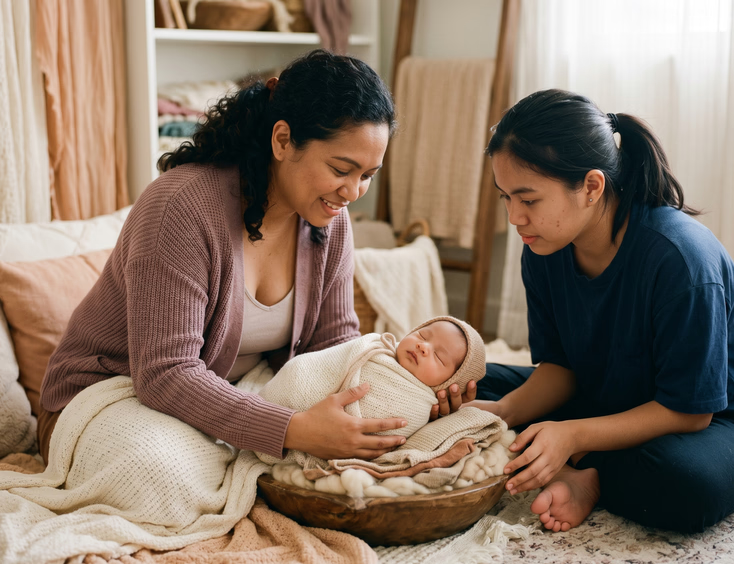
Those striking newborn photos of a baby balanced in a hammock or propped on tiny hands look effortless. Behind each one sits careful technique, a spotter's hand, and editing that merges two safe frames into one. A photographer who skips that care puts your baby at real risk. Knowing what safe newborn photography looks like protects your child and helps you spot a photographer who cuts corners. Here is what every parent should know before the shoot.
Why Safety Comes First
A newborn is fragile in ways that shape every choice on a shoot. Safe practice is not optional.
A baby only days old cannot support their own head, regulate their temperature, or signal distress the way an older child can. A pose that looks charming can strain a tiny neck or cut off circulation if handled without skill. The photographer holds responsibility for your baby's safety through every frame, which is why their training and habits matter more than any creative idea. A beautiful photo is never worth a risk to your child.
The Truth About "Unsupported" Poses
The poses that worry parents most are often the safest, because they are never what they appear.
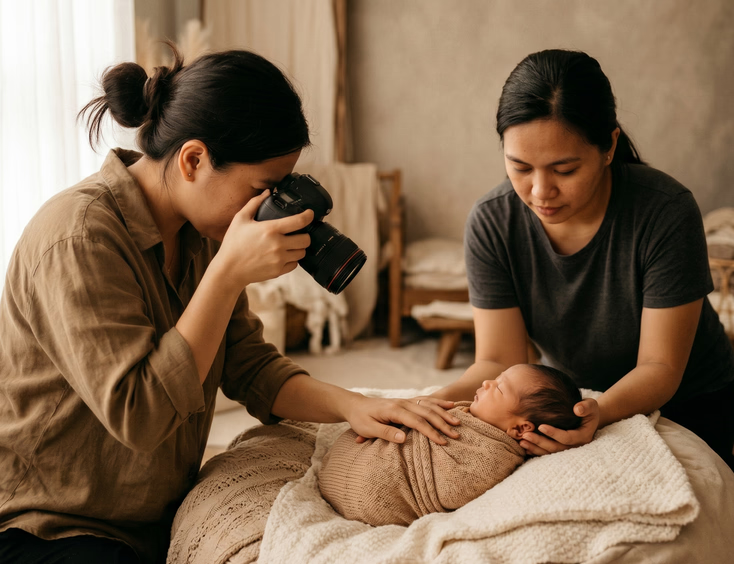
Tip: Many dramatic newborn poses are composite images. The photographer takes two photos with a hand supporting the baby in each, then merges them in editing so the support disappears. The baby is held the entire time.
The froggy pose, with a baby's chin on their hands, is the clearest example. No baby supports their own head that way. A photographer shoots it as a composite, with an assistant holding the head in one frame and the hands in another. A photographer who attempts these poses without a spotter or compositing is gambling with your baby. Ask how any pose is achieved, and a safe professional explains the technique without hesitation.
What a Safe Photographer Does
A skilled newborn photographer builds safety into every part of the session. Watch for these habits.
- Uses a spotter, keeping a hand on or near the baby in every posed shot.
- Washes hands and sanitizes props, protecting a newborn's fragile immune system.
- Keeps the room warm, so the baby stays comfortable and asleep without stress.
- Never forces a pose, moving on the moment a baby resists or shows discomfort.
- Supports the head and neck, in every position, every time.
A photographer who does these things signals real experience. Their portfolio shows babies who look settled and secure, never strained. The guide on how to choose the right newborn photographer in the Philippines shows how to read these signals before you book.
Warning Signs to Watch For
Some habits should send you looking elsewhere. Spot them before you commit.
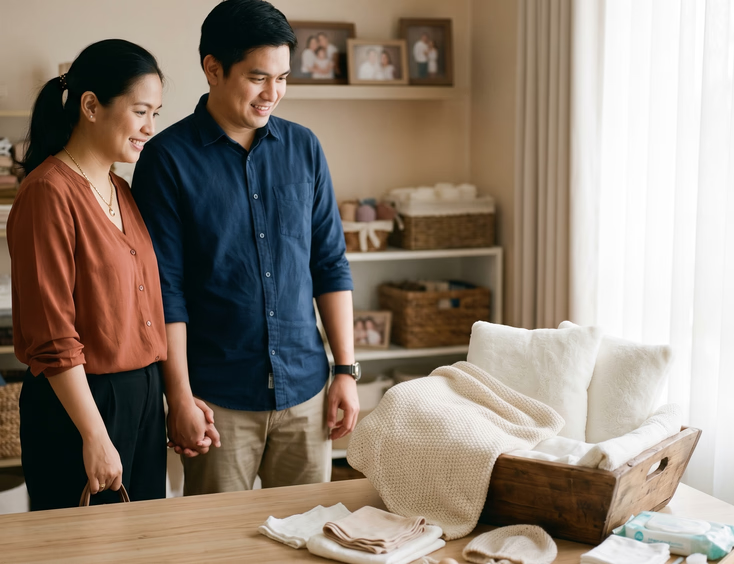
A photographer who claims a baby can hold a pose unaided, with no mention of spotters or editing, lacks the right knowledge. One who pushes a baby into a position despite clear distress puts the photo above the child. Watch too for skipped hygiene, a cold room, or props that look unstable. A reluctance to answer your safety questions is its own red flag. Trust your instinct, since a parent who feels uneasy usually has a reason.
Questions to Confirm Safety
A few direct questions reveal how a photographer handles safety. Ask them before you book.
- How do you keep my baby safe during posed shots? Listen for spotters and composite editing.
- Do you use an assistant or spotter during the session?
- How do you achieve poses that look unsupported?
- What do you do if my baby becomes fussy or distressed?
- How do you keep props and hands clean during the shoot?
Clear, confident answers signal a safe professional. These fit into the broader set of questions to ask your newborn photographer before you book, which cover logistics and delivery alongside safety.
Safety in Posed Versus Lifestyle Shoots
The style of shoot you choose shapes the safety considerations. The two approaches differ.
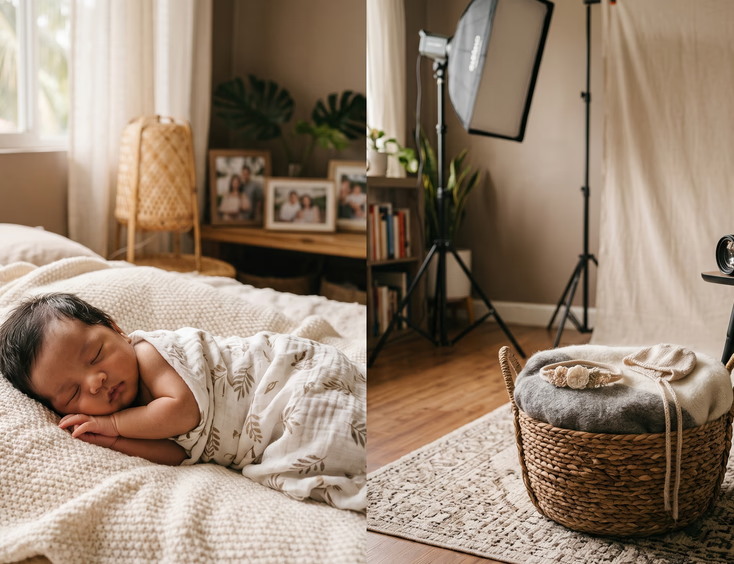
A posed shoot involves more handling and elaborate positions, so it leans heavily on the photographer's skill and use of spotters and editing. A lifestyle shoot captures natural moments at home with minimal posing, which carries fewer of those specific risks. Neither is unsafe in skilled hands, though they call for different precautions. The guide on posed versus lifestyle newborn shoots compares the two so you can pick the approach that fits your comfort.
Protecting Your Baby on the Day
Newborn photography safety comes down to a photographer who uses spotters, achieves dramatic poses through editing, keeps everything warm and clean, and never forces your baby into anything. Ask the right questions, watch for the warning signs, and trust the professional who makes your baby's safety obvious. For how safety fits alongside posing, styling, and choosing your photographer, the complete guide to newborn photoshoots in the Philippines connects every stage of the journey.
Still Searching for a Right Match?
Find Your Perfect Wedding Supplier Today!
Discover trusted wedding suppliers across the Philippines in our complete directory. Compare services and connect with the ones that fit your dream celebration.
Browse Wedding SuppliersFeatured Blog Posts



Filipino Wedding Entourage - Roles, Order of March, and Modern Etiquette
6 mins readCivil Weddings in the Philippines - Requirements, Costs, and Step-by-Step Process
9 mins readCivil Wedding Requirements in the Philippines - Complete Checklist
6 mins readCost of Wedding in the Philippines - 5 Essential Things You Need to Know
7 mins readPrincipal Sponsors (Ninong/Ninang) - How Many, How to Ask, What They Really Do
4 mins readVeil, Cord, Candle & Coins - Roles, Options, and When They Happen
4 mins readEntourage for a Traditional Pinoy Wedding - Complete Roles and Guide
6 mins readComplete List of Civil Wedding Requirements in the Philippines
8 mins readHow to Choose Wedding Ninongs and Ninangs - Ask Yourself These 3 Important Questions
5 mins read