

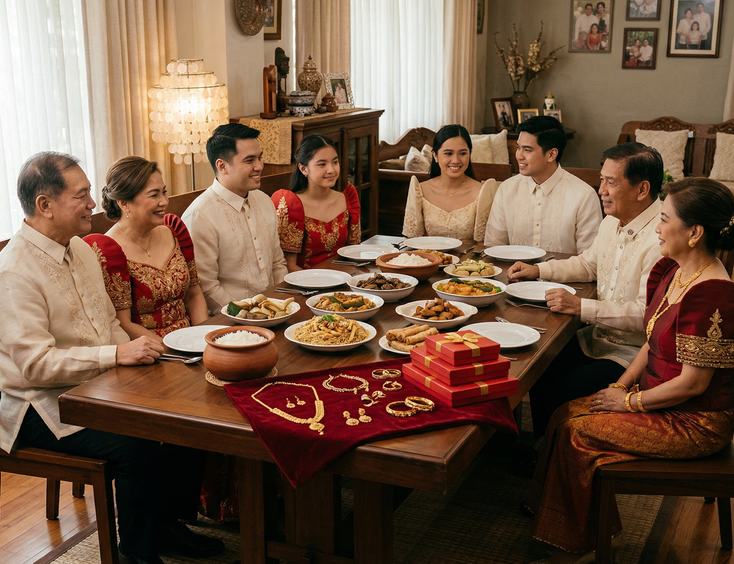
Modern Chinoy Weddings: How Filipino Chinese Couples Are Reinventing Their Traditions
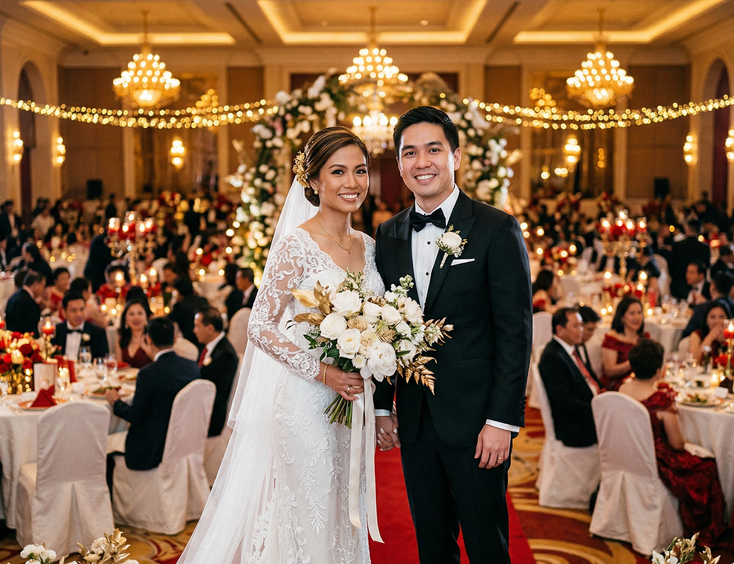
Filipino Chinese couples today are not abandoning their traditions. They are deciding which ones stay, which ones shift, and how the two fit together on a single wedding day.
The result is something distinct from both a traditional Chinoy wedding and a standard Filipino celebration. It pulls from both, bends where it needs to, and holds firm where it counts.
The Traditions That Stay
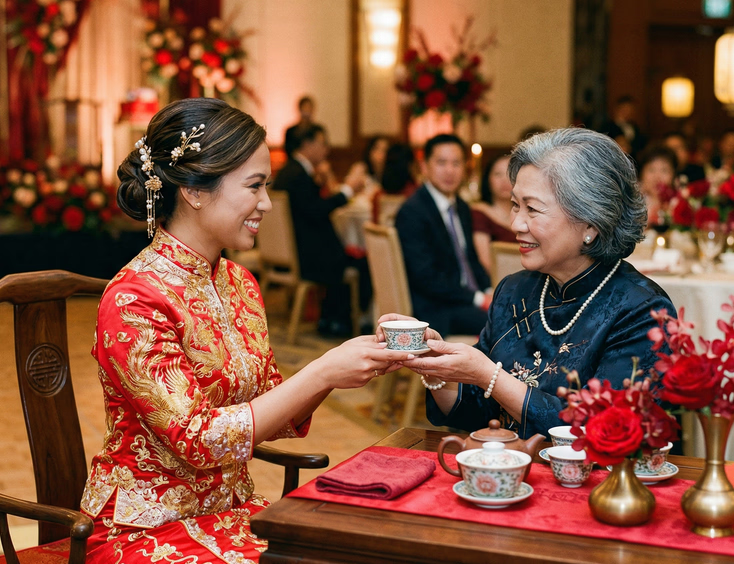
The tea ceremony stays. Almost no modern Chinoy couple skips it. It is the moment that carries the most weight with family, and couples know it. What changes is the staging. Instead of a private room before the reception, many couples fold the tea ceremony into the program itself, letting guests witness the exchange of respect between the couple and both sets of parents.
The ang pao system stays too. Guests at a Chinoy wedding still give cash in red envelopes, and the family still tracks it. Couples do not fight this. They build it into their budget planning from the start, using expected ang pao contributions to offset reception costs. If you want to understand the etiquette behind this, the full breakdown is in Ang Pao Etiquette at a Chinoy Wedding: How Much to Give and What You Need to Know.
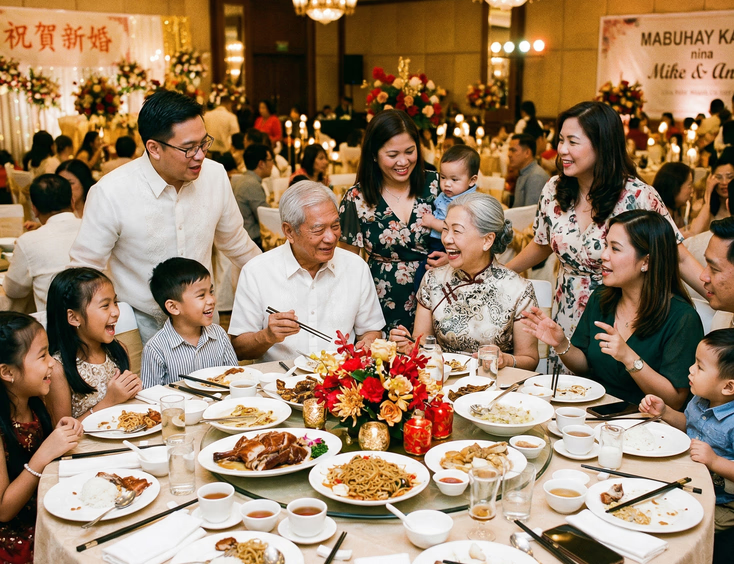
The banquet format stays. A sit-down dinner with multiple courses, a large guest list, and a room full of round tables is still the standard. Couples who try to shrink this usually meet resistance from parents and grandparents. The compromise most couples land on is trimming the guest list within each table allocation, not eliminating the banquet structure itself.
The Traditions That Are Shifting
The 12-course dinner is getting edited. Couples are keeping the symbolic dishes, like the whole fish, the prawns, and the noodles, but cutting courses that feel redundant or that their caterer cannot execute well. The goal is a meal that means something, not a meal that drags past midnight.
Lucky date selection is being taken more seriously, not less. More couples are consulting the Chinese almanac, but they are doing it earlier in the planning process so it does not box them into a venue they cannot afford or a date their suppliers cannot hold. The tradition survives. The timing of the decision changes.
The qipao is being worn differently. A generation ago, the bride wore her qipao for the tea ceremony and changed into her wedding gown for the reception. Now, couples are exploring both sequences: gown first, qipao for the entrance, or qipao at the start of the tea ceremony and the gown carried through the reception. Some brides commission a gown that draws from qipao silhouettes so the transition feels like one continuous choice rather than a costume change. More on this in Chinoy Bridal Style: How Filipino Chinese Brides Blend the Qipao and the Wedding Gown.
Where Filipino Catholic Traditions Enter
Many Chinoy couples are Catholic, and their weddings reflect that. The church ceremony is non-negotiable for a large part of the community, which means the wedding day runs two distinct events: a Catholic mass and a Chinese banquet reception.
The challenge is making those two feel like one celebration rather than two separate obligations. Couples who pull this off do it by carrying visual and cultural threads across both. The same flowers, the same color palette, the same program hosts who code-switch between Filipino and Chinese customs with ease. Read more about how couples are managing this in Chinoy Wedding Meets Filipino Catholic Ceremony: How to Blend Both Beautifully.
What Couples Are Adding
Personalization is the clearest marker of a modern Chinoy wedding. Couples are adding elements that have no precedent in their parents' weddings and no conflict with the traditions that matter.
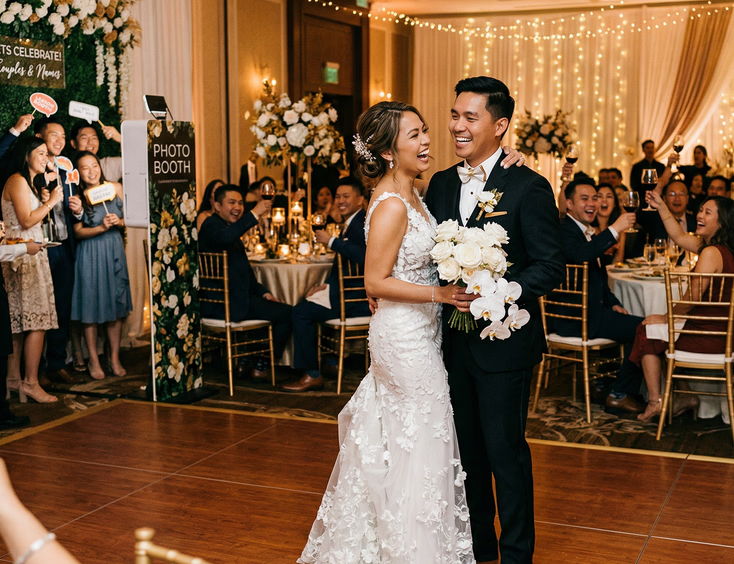
Personalized video packages, live wedding painters, photo booths with custom props, curated Spotify playlists that mix Mandopop with Filipino OPM, and entourage fashion that coordinates without matching. These are additions, not replacements.
Some couples are also adding bilingual programs and emcees who can move between Filipino, English, and Hokkien without losing the room. This is less about novelty and more about making every guest, including the older relatives who grew up speaking Hokkien, feel like they are part of the same event.
What Drives These Decisions
Money is part of it. A full traditional Chinoy wedding in Metro Manila is expensive, and couples who are paying for it themselves make tighter calls about which line items are worth protecting. A good wedding coordinator who understands Chinoy customs can help a couple sort through this without offending anyone. The wedding planners and coordinators listed here are worth consulting early, before the family conversations get complicated.
Family dynamics drive just as much. The couple's preferences and the parents' expectations do not always match, and the gap is often widest around guest list size, the number of courses served, and whether certain rituals are performed publicly or privately. Couples who navigate this well usually decide early which traditions belong to the family and which belong to them, and they hold both with equal respect.
For a full picture of every tradition and ritual that makes up a Chinoy wedding, start with The Complete Guide to a Chinoy Wedding in the Philippines: Traditions, Rituals, and Modern Touches. If you want to see how the day unfolds from start to finish, What Happens at a Chinoy Wedding: A Step by Step Guide to Every Tradition and Ritual walks through the full sequence.
The Bigger Picture
Modern Chinoy couples are not rejecting tradition. They are reading it more carefully. They are asking which parts carry meaning their families built over generations, and which parts are habits that outlasted their original purpose.
The tea ceremony carries meaning. The banquet carries meaning. The ang pao carries meaning. The exact number of courses, the precise order of the program, the color of the tablecloths: those get negotiated.
A Chinoy wedding in 2025 looks different from one in 1985. The families in the room are the same. That is the point.
Still Searching for a Right Match?
Find Your Perfect Wedding Supplier Today!
Discover trusted wedding suppliers across the Philippines in our complete directory. Compare services and connect with the ones that fit your dream celebration.
Browse Wedding SuppliersFeatured Posts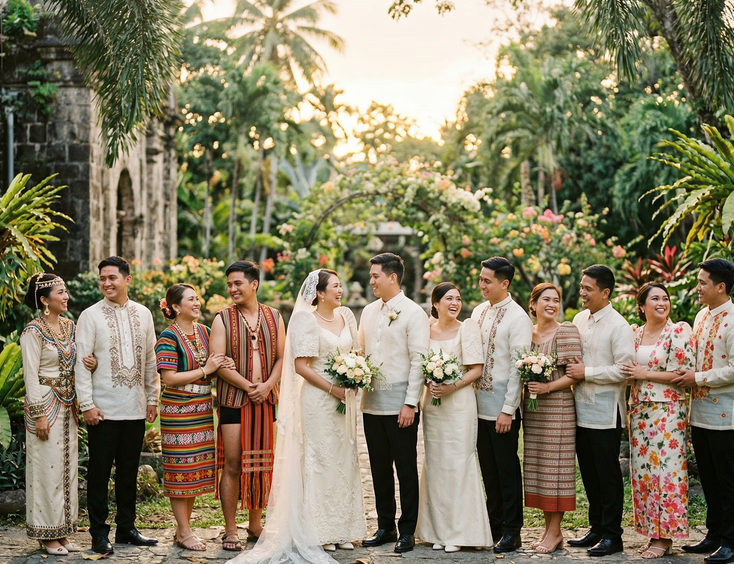
Regional Wedding Customs Every Filipino Couple Should Know
23 mins readThe Complete Guide to Filipino Wedding Invitations: From Traditional Customs to Modern Trends
12 mins readThe Complete Filipino Couple's Guide to Wedding Rings & Bands in the Philippines: Traditions, Styles, Budgets & Where to Buy
22 mins read