

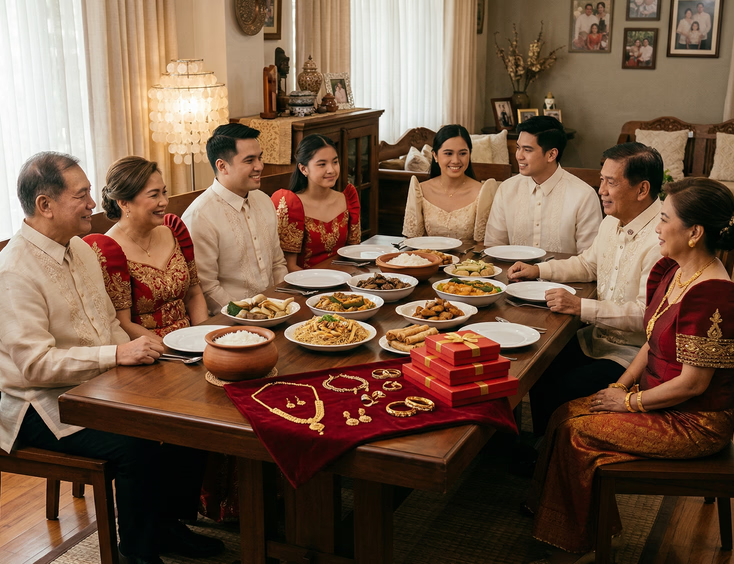
Intimate Tinghun Ceremonies: Why Small and Meaningful Is the New Trend
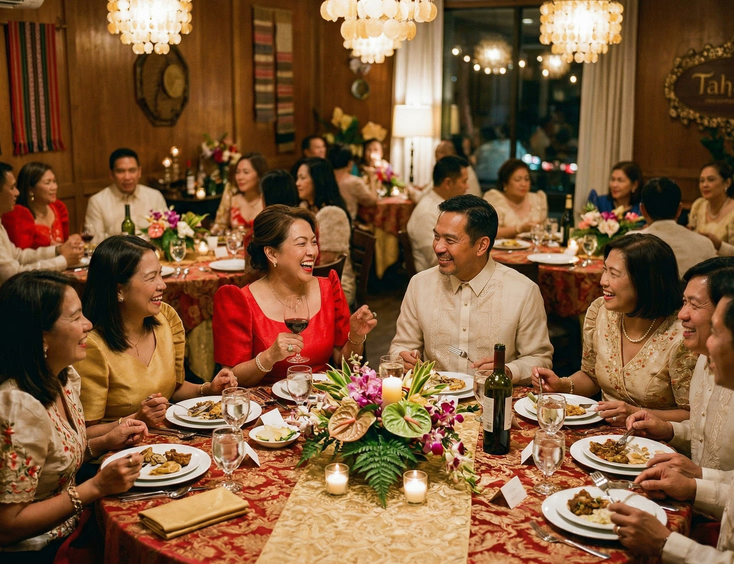
The shift toward smaller tinghun ceremonies is not about cutting corners. Couples who choose intimate gatherings are making a deliberate decision about what they want the day to feel like and who they want in the room when it happens.
To understand what the ceremony involves before deciding on scale, read Tinghun: The Complete Guide to the Traditional Filipino Engagement Ceremony.
What an Intimate Tinghun Actually Looks Like
An intimate tinghun typically involves twenty to thirty guests, sometimes fewer. Both immediate families, a small circle of close relatives, and in some cases, two or three people who hold significant roles in the couple's lives. No extended guest network, no business associates, no family acquaintances added to fill the room.
The ceremony follows the same structure as a larger tinghun. Families are introduced, gifts are presented, blessings are exchanged, and a meal follows. The difference is in the atmosphere. With fewer people in the room, the introductions are genuine rather than ceremonial. The couple spends the evening in real conversation rather than moving through a receiving line.
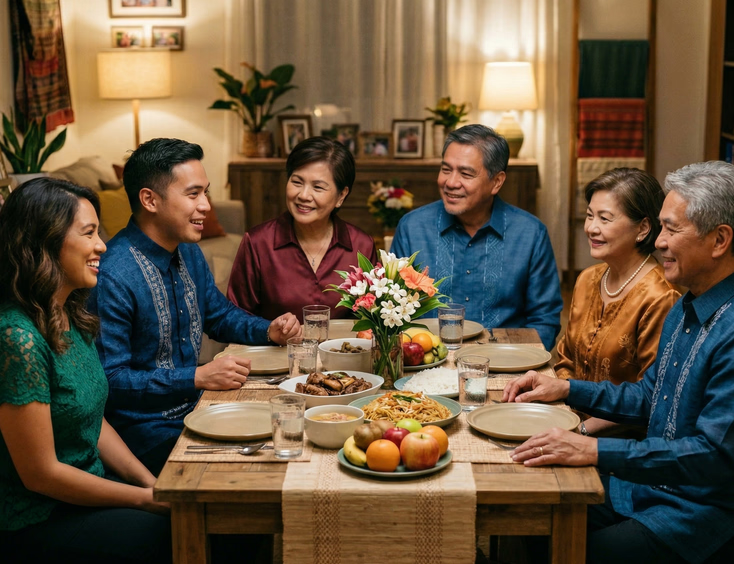
Why Couples Are Choosing This
The traditional tinghun guest list grew over generations into something that reflected family networks and social standing as much as personal relationships. Inviting the extended family, family friends, and community figures was a way of announcing the match publicly and gathering community blessing.
Modern couples still want the community dimension of the ceremony. They want it from people who are genuinely part of their lives. A room of thirty people who know and love the couple produces a different quality of energy than a room of a hundred people who came because of a family obligation.
Budget also drives the shift. A smaller guest count means manageable catering costs, a venue that fits the gathering without feeling sparse, and a day that does not require months of financial planning to execute. Couples who want a meaningful ceremony without an outsized spend find that an intimate format delivers more of what matters for less of what strains.
For a realistic look at how ceremony size affects overall costs, read How to Set a Realistic Tinghun Budget That Works for Both Families.
The Guest List Question
The hardest part of planning an intimate tinghun is the guest list. Both families have people who expect to be included. An older relative who attended every family tinghun in living memory will notice the absence of an invitation. A family friend who considers themselves close may take the omission personally.
The couple and both sets of parents agree on the parameters before any names go on the list. Set the total number first, then divide it between both families, then fill in names. Working from a cap downward is easier than starting with names and trying to cut afterward.
The explanation given to people who are not invited matters. "We are keeping it to immediate family only" is a clear and defensible position. It sets a category rather than making individual judgments about who matters enough to attend.
For a detailed approach to managing this conversation, read Who Should Be Invited to the Tinghun and How to Handle the Guest List.
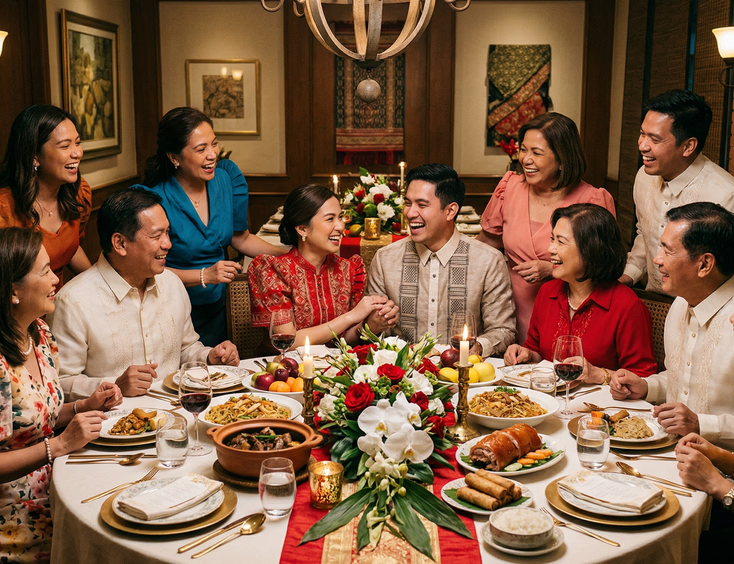
Venue Options That Fit a Small Gathering
An intimate tinghun does not need a large family home or a rented function hall. Private dining rooms in restaurants, garden spaces in boutique venues, and well-sized hotel suites all work. The venue should feel full with your guest count, not cavernous.
A private dining room in a good restaurant removes the hosting burden from either family. The catering, setup, and service are handled externally, which means both families arrive as participants rather than logistics managers. The couple's parents sit with their families instead of managing the kitchen.
Some couples still prefer the family home for the intimacy it adds. A well-arranged sala with the right number of seats, thoughtful flowers, and a properly set table produces a warmth that a hotel venue takes more effort to replicate. The home works when the space fits the guest count comfortably.
What You Gain in a Smaller Room
With fewer people at the table, the formal introductions between families land differently. An elder from the groom's side has time to speak with the bride's grandmother. Parents who are meeting for one of the first times have real conversations rather than brief exchanges across a crowded room.
The gift presentation carries more weight when the whole room is watching rather than partially distracted. The prayers and blessings feel connected rather than performed. The meal afterward becomes the kind of gathering both families will reference for years.
These are not things that scale up with a larger guest list. They shrink.
Food at an Intimate Tinghun
A smaller gathering makes it easier to serve traditional dishes with care. With thirty guests, the family or caterer can prepare the ceremonial dishes in portions that respect the tradition rather than scaling them into buffet trays for a hundred.
Whole steamed fish, tikoy, and longevity noodles hold their symbolic presentation better at a small table. An intimate setting allows the host to explain each dish's meaning to guests who may not be familiar with the Filipino-Chinese tradition. That moment of shared explanation is something a large banquet cannot hold.
For a full look at the food traditions associated with the ceremony, read The Role of Food in a Tinghun Ceremony and What Dishes Are Traditionally Served.
Photography and Documentation
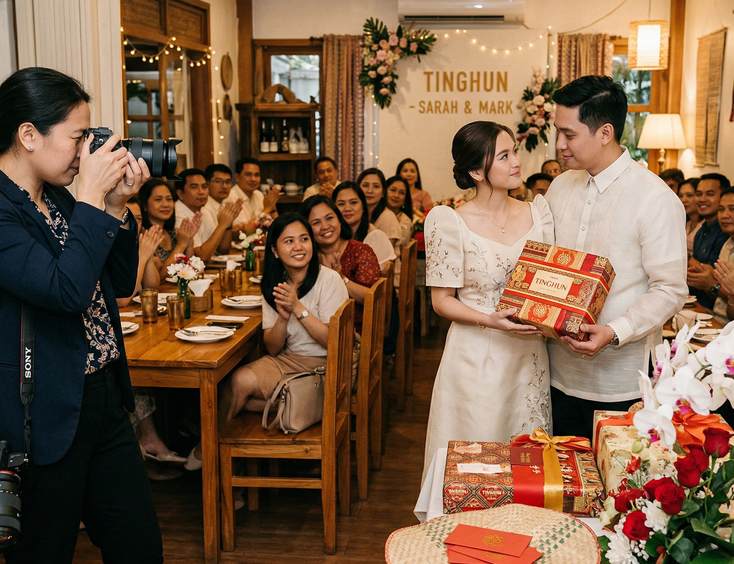
An intimate tinghun is easier to document well. A single photographer covers the room without disrupting the ceremony. Every moment is accessible because the space is contained. The couple and both families appear in the photographs rather than disappearing into a crowd.
Couples who hire a photographer for an intimate tinghun end up with images that actually show the ceremony rather than a record of a crowded room with the couple somewhere in it. The documentation reflects the intention of the day.
Addressing Family Pushback
Some parents resist a smaller tinghun because of what a larger gathering has historically signaled. A well-attended tinghun demonstrated family standing. Inviting fewer people can feel like a public statement about the family's status or relationships.
Address this directly with your parents before the planning goes further. Explain that the size reflects what you want the day to feel like, not what you think of the family. Offer to include the extended network in a different way, through a post-engagement celebration or the wedding itself, if that helps bridge the expectation.
Most parents, once they experience an intimate tinghun that runs well, understand the decision. The ones who push back the hardest before the event are often the ones who say it was the right call afterward.
Planning an Intimate Tinghun Well
Smaller does not mean simpler to plan. An intimate tinghun still involves coordinating two families, a ceremonial program, gifts, food, and the logistics of the day. The margin for error is actually smaller because every element is visible. A catering problem at a large event gets absorbed by the scale of the occasion. At a table of twenty-five, everyone notices.
A wedding coordinator with tinghun experience helps you plan the intimate ceremony with the same rigor as a larger one. They manage the sequencing, handle the day-of logistics, and keep both families on the same page from the first planning conversation to the last toast of the evening.
The result is a ceremony that feels exactly like what you planned: small, present, and genuinely meaningful.
Still Searching for a Right Match?
Find Your Perfect Wedding Supplier Today!
Discover trusted wedding suppliers across the Philippines in our complete directory. Compare services and connect with the ones that fit your dream celebration.
Browse Wedding SuppliersFeatured Posts
Regional Wedding Customs Every Filipino Couple Should Know
23 mins readThe Complete Guide to Filipino Wedding Invitations: From Traditional Customs to Modern Trends
12 mins readThe Complete Filipino Couple's Guide to Wedding Rings & Bands in the Philippines: Traditions, Styles, Budgets & Where to Buy
22 mins read