

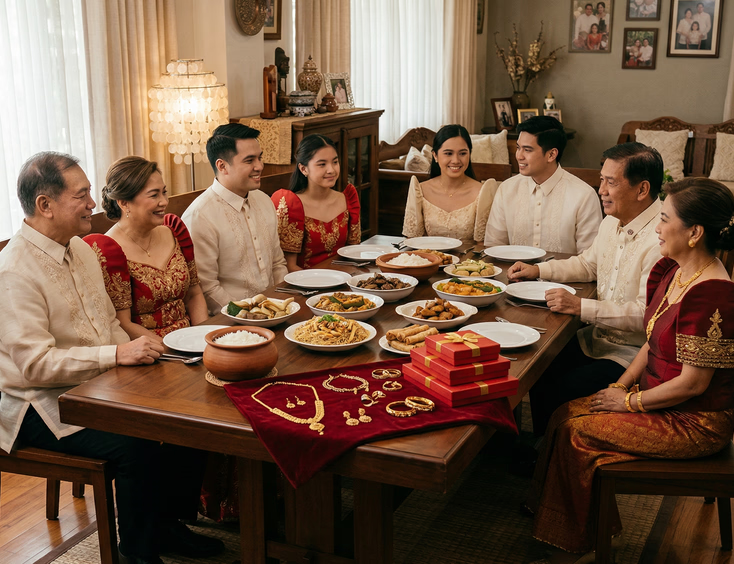
How to Set a Realistic Tinghun Budget That Works for Both Families
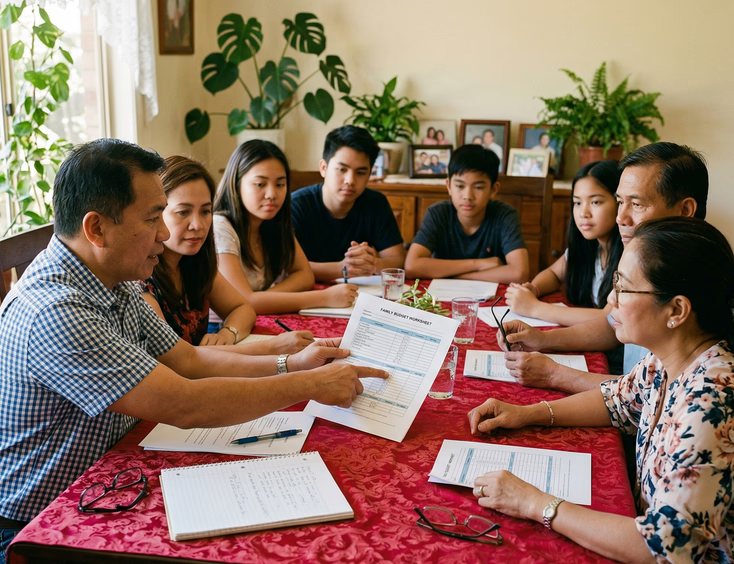
Most tinghun stress comes from one source: both families start planning the details before they agree on a number. One side imagines a restaurant dinner for 40 guests. The other assumes a home gathering for 20. Neither conversation happens until someone sends a catering quote, and by then expectations are already misaligned.
Set the budget before you book anything. Before you choose the venue, the caterer, or the jeweler.
What a Tinghun Actually Costs in the Philippines
Tinghun budgets in the Philippines range from ₱30,000 for a simple home ceremony to ₱300,000 or more for a formal restaurant or hotel event. The gap is wide because the variables are wide.
The main cost drivers are:
- Ceremonial gifts and gold jewelry (often the single largest expense)
- Venue (home vs. private dining room vs. hotel function room)
- Food and catering (home-cooked vs. restaurant vs. full catering service)
- Guest count (every additional guest adds to food, space, and logistics costs)
- Décor and styling (minimal vs. styled setup with florist and rental pieces)
A family hosting 25 guests at home with home-cooked food and modest jewelry can manage the entire event for ₱50,000 to ₱80,000. A family hosting 60 guests in a hotel private room with a caterer, florist, and a full gold jewelry set will spend ₱200,000 to ₱300,000 or more.
Neither figure is wrong. Both are legitimate depending on family expectations and financial capacity.
How to Split the Budget Conversation Between Families
The tinghun involves two families with potentially different financial situations, different cultural expectations, and different ideas about what the event should look like. Agreeing on a shared budget requires a direct conversation, not assumptions.
The most practical approach: each family states what they can comfortably spend, and the lower number sets the ceiling. Stretching either family beyond their means to match the other's expectations creates friction that carries into the wedding planning.
For a detailed breakdown of who traditionally covers which expenses, read Who Pays for the Tinghun? Understanding Financial Responsibilities Between Families.
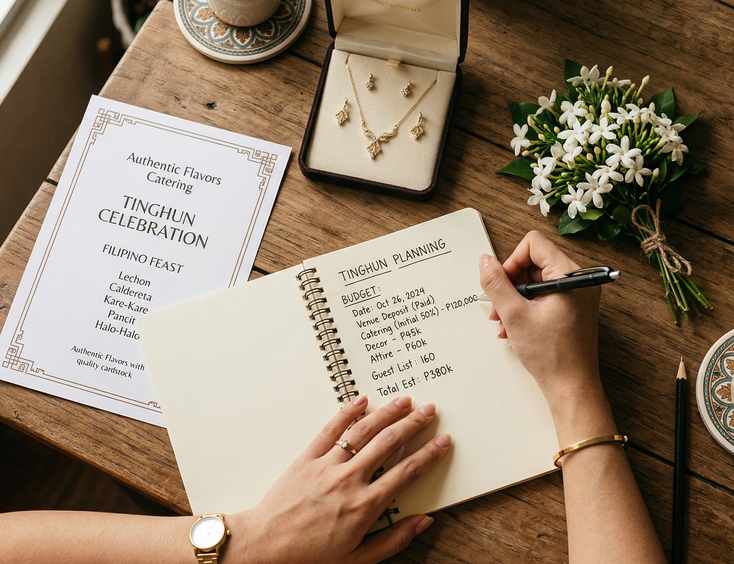
Breaking Down the Budget by Category
Ceremonial Gifts and Gold Jewelry
Gold jewelry sits at the center of the tinghun tradition. In Filipino-Chinese practice, the groom's family presents gold pieces to the bride, typically a necklace, earrings, bracelet, and ring. The total value depends on the family's financial standing and the agreed-upon standard between both sides.
A modest gold set from a reputable jeweler runs ₱15,000 to ₱40,000. A more substantial set with higher karat pieces or branded jewelry reaches ₱80,000 to ₱150,000 or beyond.
Agree on the jewelry budget early. This is the item most likely to cause mismatched expectations if left undiscussed.
Other ceremonial items, fruit arrangements, cakes, and symbolic goods typically add ₱5,000 to ₱20,000 depending on how elaborate the presentation is.
Venue
A home gathering costs nothing for the space itself but requires furniture rearrangement, additional seating rental, and potential cleanup costs. Budget ₱2,000 to ₱8,000 for chair and table rentals if the home cannot accommodate the full guest count.
Private dining rooms at mid-range restaurants in Metro Manila typically charge ₱3,000 to ₱10,000 for the room, with food and beverage minimums of ₱20,000 to ₱60,000 on top.
Hotel function rooms start at ₱15,000 for smaller spaces and climb based on location and tier. Food and beverage packages at hotels in Metro Manila average ₱1,500 to ₱3,500 per head.
Outside Metro Manila, venue and catering costs run 20 to 40 percent lower.
Food and Catering
Home-cooked food prepared by family members keeps costs low and adds a personal touch. Families who go this route typically spend ₱8,000 to ₱20,000 on ingredients for a 25 to 35 person gathering.
Hiring a caterer for a home setup costs ₱600 to ₱1,200 per head depending on the menu and service level. For 40 guests, expect ₱25,000 to ₱50,000.
Restaurant private dining packages bundle the room and food together. For 30 to 50 guests, all-in packages at established Filipino restaurants range from ₱40,000 to ₱100,000.
Décor and Styling
Many families skip a professional stylist for the tinghun and handle décor themselves. Fresh flowers, red and gold table accents, and a simple ceremonial table arrangement cost ₱3,000 to ₱8,000 sourced from local markets.
Hiring a florist or event stylist for a more polished setup adds ₱15,000 to ₱40,000 to the budget. For families who want something visually intentional without the full stylist fee, working from a clear concept and sourcing pieces independently is a reasonable middle ground.
Coordinator or Planner
Families handling a small home tinghun typically manage without a coordinator. For a restaurant or hotel event with 40 or more guests, a day-of coordinator keeps the ceremony on track and takes the logistical pressure off both families.
Day-of coordination for a tinghun ranges from ₱8,000 to ₱25,000 depending on the coordinator's experience and the complexity of the event. Browse experienced wedding planners and coordinators in our supplier directory to find someone who has handled tinghun ceremonies before.
Documentation
Photography for a tinghun is optional but increasingly common. A professional photographer for two to three hours runs ₱8,000 to ₱20,000. Some families hire a videographer as well, adding another ₱8,000 to ₱15,000.
If the budget is tight, assign a family member with a decent camera and skip the professional documentation. The ceremony matters more than the photos.

Sample Budget Ranges at a Glance
| Setup | Estimated Total |
|---|---|
| Simple home ceremony, 20–25 guests | ₱30,000 – ₱60,000 |
| Home ceremony with caterer, 30–40 guests | ₱70,000 – ₱120,000 |
| Restaurant private dining, 30–50 guests | ₱100,000 – ₱180,000 |
| Hotel function room, 50–70 guests | ₱180,000 – ₱300,000+ |
These figures are estimates based on typical Metro Manila pricing. Provincial costs run lower. Costs shift based on jeweler, caterer, and the specific choices each family makes.
Where Families Overspend
Jewelry beyond the agreed amount
One family arrives with a more elaborate gift set than discussed. The other family feels underprepared. Agree on a specific range before anyone visits a jeweler.
Guest list creep
Adding guests after the budget is set is the fastest way to blow the ceiling. Every additional person adds food cost, seating, and potentially a larger venue. Finalize the guest list before confirming any vendor.
Décor that outgrows the venue
Over-styling a small home gathering creates visual clutter and inflates costs without improving the ceremony. Match the décor investment to the scale of the event.
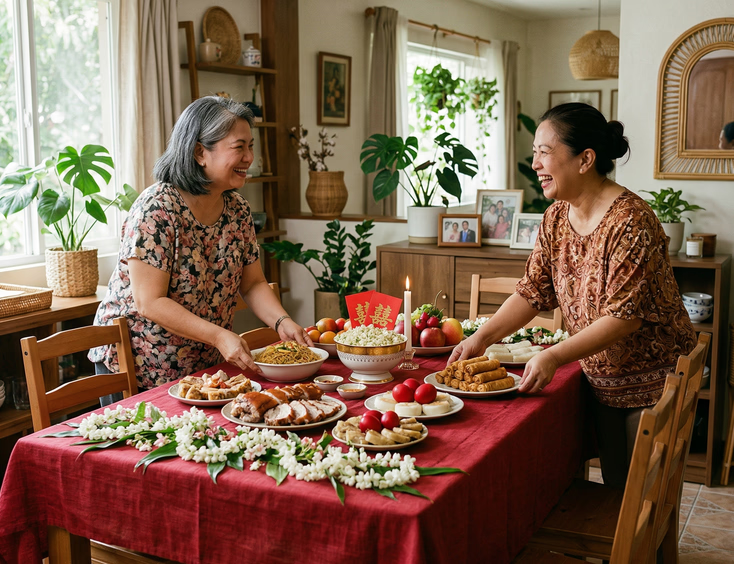
Where to Save Without Cutting What Matters
Venue: A well-prepared family home costs nothing to rent. Borrow a relative's larger property if you need more space.
Food: Home-cooked traditional dishes carry more meaning than a catered spread and cost a fraction of the price. The food at a tinghun is symbolic as much as it is practical.
Décor: Fresh sampaguita garlands, red cloth, and a clean table arrangement create the right atmosphere without a florist's invoice.
Photography: Skip it or keep it to one photographer for the ceremony portion only.
Spend on the jewelry. Spend on the food if catering is the right call. Keep everything else proportionate.
Agree on the Number Before the Planning Starts
Budget conversations between families are uncomfortable. They happen anyway, either before planning begins or mid-way through when someone has already committed to a vendor the other family cannot match. Having the conversation early is less painful than unwinding a booking or asking a family to stretch past their limit.
Set the number, split the responsibilities, then plan the details around both.
For guidance on what the tinghun ceremony involves from start to finish, read Tinghun: The Complete Guide to the Traditional Filipino Engagement Ceremony. If you are working out the full planning timeline alongside the budget, How to Plan a Tinghun Ceremony: A Checklist for Both Families covers each decision in order. Couples deciding on the venue can also read Tinghun Venue Ideas in the Philippines: From Intimate Homes to Private Dining to match the venue choice to the budget they set.
Still Searching for a Right Match?
Find Your Perfect Wedding Supplier Today!
Discover trusted wedding suppliers across the Philippines in our complete directory. Compare services and connect with the ones that fit your dream celebration.
Browse Wedding SuppliersFeatured Posts
Regional Wedding Customs Every Filipino Couple Should Know
23 mins readThe Complete Guide to Filipino Wedding Invitations: From Traditional Customs to Modern Trends
12 mins readThe Complete Filipino Couple's Guide to Wedding Rings & Bands in the Philippines: Traditions, Styles, Budgets & Where to Buy
22 mins read