


How to Schedule a Newborn Shoot Around Your Baby's Sleep and Feeding

A fed, sleepy baby makes a newborn session look effortless. A hungry or overtired one turns the same hour into a struggle. The difference rarely comes down to the photographer. It comes down to timing the shoot around the rhythm your baby already follows. Here is how to plan the day so your baby stays calm and the camera catches those settled, sleepy shots.
Why Timing Beats Everything Else
A newborn cannot pose on command. The curled, peaceful look you want depends on one thing: a baby deep in sleep. A full belly leads to that sleep, so feeding and rest sit at the center of every smooth session.
Get the timing wrong and the session stalls. A hungry baby cries through the wraps. An overtired baby fights sleep instead of falling into it. Either way, you spend the hour soothing rather than shooting. Get the timing right and your baby drifts off, lets the photographer adjust a hand or a chin, and holds the pose long enough for the shot.
Schedule Around the Morning
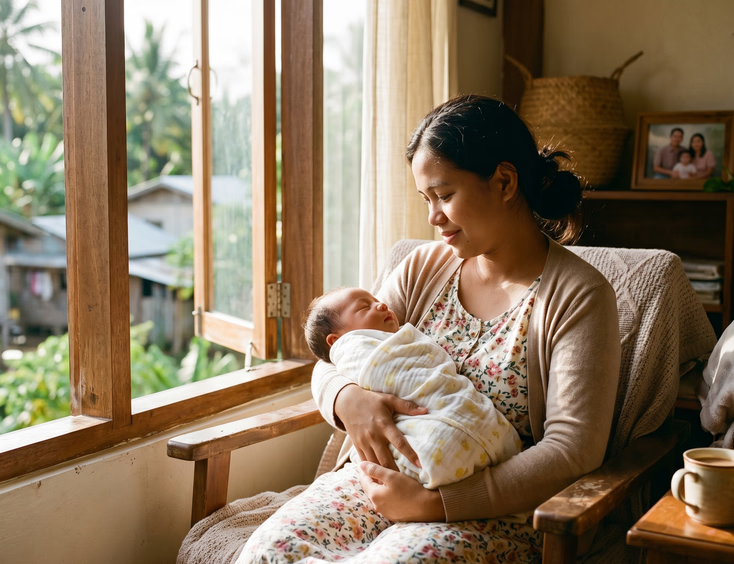
Most newborn photographers book sessions in the morning, and the reason is practical.
- Babies sleep better earlier in the day. Many newborns grow fussier as afternoon turns to evening, the stretch parents call the witching hours.
- Natural light peaks midmorning. Soft, even daylight through a window flatters newborn skin far more than harsh afternoon glare.
- You both start fresh. A morning slot means you and your baby face the session rested rather than worn down by a full day.
A start time between nine and eleven in the morning suits most families. Confirm the slot with your photographer and treat it as the anchor for the rest of your day.
Feed Right Before the Session
The single most useful move is a full feeding just before the shoot begins.
Tip: Plan to feed your baby a full meal in the thirty to forty-five minutes before the session starts. A baby with a full belly settles into deep sleep and stays there, which gives the photographer room to work through the poses.
Build a little buffer into your arrival. Reach the studio or get the photographer set up at your home with time to spare, then feed once everyone is ready. A rushed feeding leaves your baby unsettled, so let the session begin only after the meal finishes and your baby grows drowsy.

Keep the Room Working in Your Favor
A baby holds sleep when the surroundings feel like the womb. Two conditions matter most.
Warmth comes first. A newborn loses heat fast, and a cold room wakes a sleeping baby in seconds. Photographers keep the space warmer than adults find comfortable, often around 26 to 28 degrees Celsius, so the baby stays asleep through outfit and prop changes. White noise helps too. A steady shushing sound or a white noise machine masks shutter clicks and small movements that might stir your baby.
You can read the full list of room and home steps in the guide on how to prepare your baby and your home for a newborn photoshoot, which covers temperature, blankets, and setup in detail.
Build Flexibility Into the Day
A newborn keeps their own schedule, and no plan survives a hungry baby. Work the session around interruptions rather than against them.
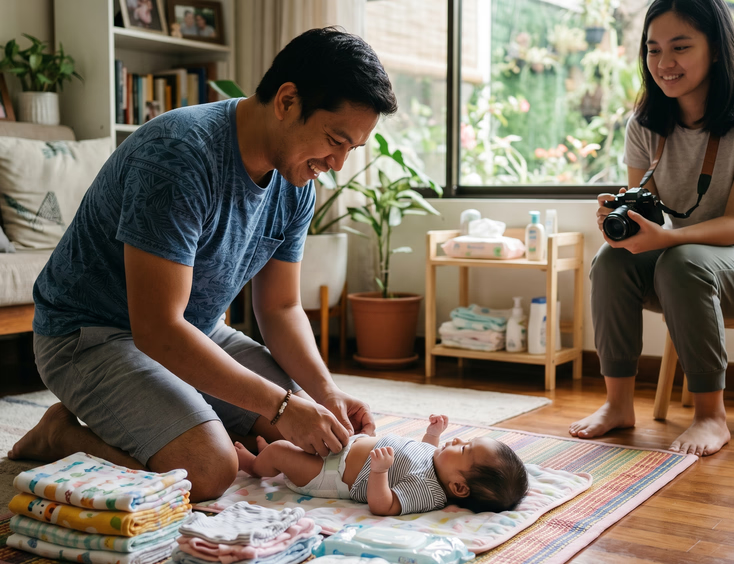
- Block off extra time. A newborn session often runs two to three hours, far longer than the photos suggest, because feeding and soothing breaks stretch the clock.
- Pause for feedings whenever they come. If your baby wakes hungry mid-session, feed again. A second or third feeding is normal and keeps the mood calm.
- Allow for diaper changes and spit-ups. Pack spare wraps and outfits so a small mess never stops the shoot.
- Follow the baby, not the timeline. A patient photographer expects these breaks, so let your baby lead and the photos will follow.
Pulling the Day Together
Book a morning slot, feed your baby right before you start, keep the room warm and quiet, and leave plenty of room in your schedule for breaks. Those four moves turn an unpredictable newborn into a settled, sleepy subject. Timing connects to the bigger picture too, since the best age for a newborn photoshoot falls within the first two weeks when deep sleep comes easiest. For how every stage fits together, the complete guide to newborn photoshoots in the Philippines walks through timing, budget, and booking from start to finish.
Still Searching for a Right Match?
Find Your Perfect Wedding Supplier Today!
Discover trusted wedding suppliers across the Philippines in our complete directory. Compare services and connect with the ones that fit your dream celebration.
Browse Wedding SuppliersFeatured Blog Posts





Filipino Wedding Entourage - Roles, Order of March, and Modern Etiquette
6 mins readCivil Weddings in the Philippines - Requirements, Costs, and Step-by-Step Process
9 mins readCivil Wedding Requirements in the Philippines - Complete Checklist
6 mins readCost of Wedding in the Philippines - 5 Essential Things You Need to Know
7 mins readPrincipal Sponsors (Ninong/Ninang) - How Many, How to Ask, What They Really Do
4 mins readVeil, Cord, Candle & Coins - Roles, Options, and When They Happen
4 mins readEntourage for a Traditional Pinoy Wedding - Complete Roles and Guide
6 mins readComplete List of Civil Wedding Requirements in the Philippines
8 mins readHow to Choose Wedding Ninongs and Ninangs - Ask Yourself These 3 Important Questions
5 mins read