

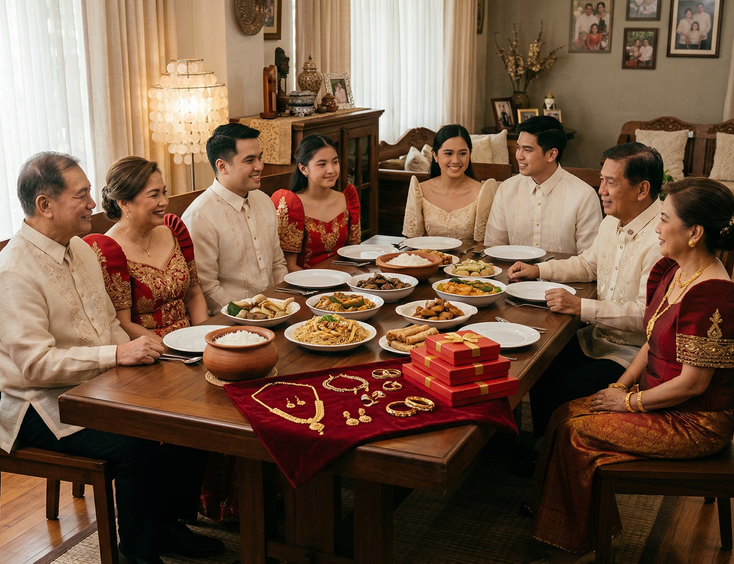
How to Respectfully Decline or Modify Tinghun Traditions Without Offending Anyone
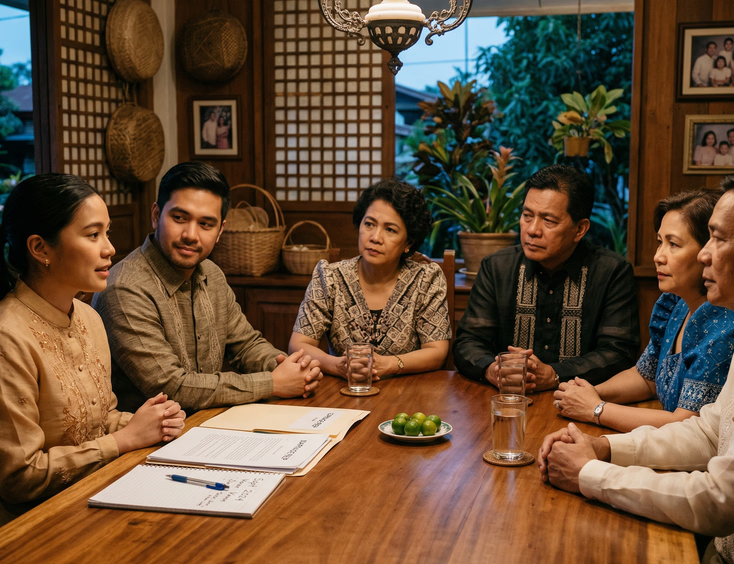
Skipping or changing parts of the tinghun is more common than families admit. Couples do it for budget reasons, personal beliefs, family dynamics, or because certain traditions no longer fit their circumstances. The tension comes not from the decision itself but from how it gets communicated and to whom.
Before navigating what to keep or change, make sure you understand what the full ceremony traditionally involves. Read Tinghun: The Complete Guide to the Traditional Filipino Engagement Ceremony first.
Start With Understanding Before Deciding What to Change
Declining a tradition you do not understand puts you at a disadvantage in any conversation with your parents or future in-laws. Before you decide what to skip or modify, learn what each element means and why it exists.
Some traditions carry weight that is not obvious on the surface. The gift presentations, the specific foods, the sequence of the ceremony — each one communicates something to the older members of both families. When you understand what a tradition signals, you can make a better case for changing it, or you may decide it matters more than you thought.
For a breakdown of what each traditional gift represents, read The Symbolic Gifts in a Tinghun and What Each One Represents.
Separate Your Reasons Clearly
Before raising any changes with either family, get clear on your actual reason for each one. Vague discomfort is harder to defend than a specific concern.
Budget is a legitimate reason to scale back the jewelry or simplify the food spread. A blended family situation may require adjusting the seating structure or the formal introduction format. A non-Chinese-Filipino family may not follow the same gift conventions. These are concrete, explainable positions.
"We just don't want to do it" is harder for families steeped in the tradition to accept, not because your preference is invalid, but because it gives them nothing to work with. A specific reason invites a practical conversation. A vague one invites a longer argument about values.
Raise It Early, Not Last Minute
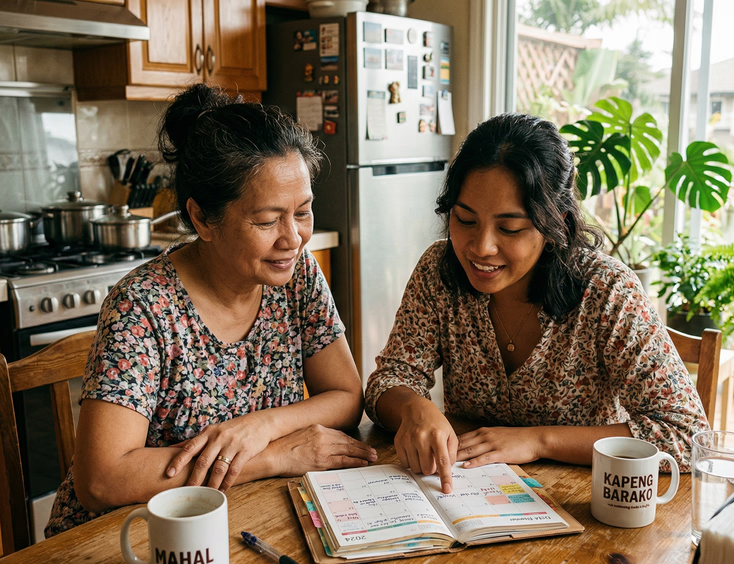
The worst time to tell either family that you are skipping a tradition is the week before the tinghun. By then, parents have already made plans, relatives have been told what to expect, and any change reads as a last-minute dismissal of their effort.
Raise modifications during the early planning stages, when nothing has been booked and no one has committed to anything. A change discussed two months out is a planning decision. The same change raised two weeks out is a disruption.
Talk to Your Own Parents First
Each partner handles their own family. The bride-to-be does not deliver changes to the groom's family, and the groom does not field conversations with the bride's parents about their own customs. This boundary matters because it keeps the message from landing as criticism from an outsider.
When you talk to your parents, lead with what you are keeping rather than what you are removing. If you plan to hold a tinghun with most of the traditional elements but skip the formal introduction segment, say that you are looking forward to the ceremony and want to adjust one part of the program. That framing is different from announcing what you refuse to do.
Offer a Specific Alternative
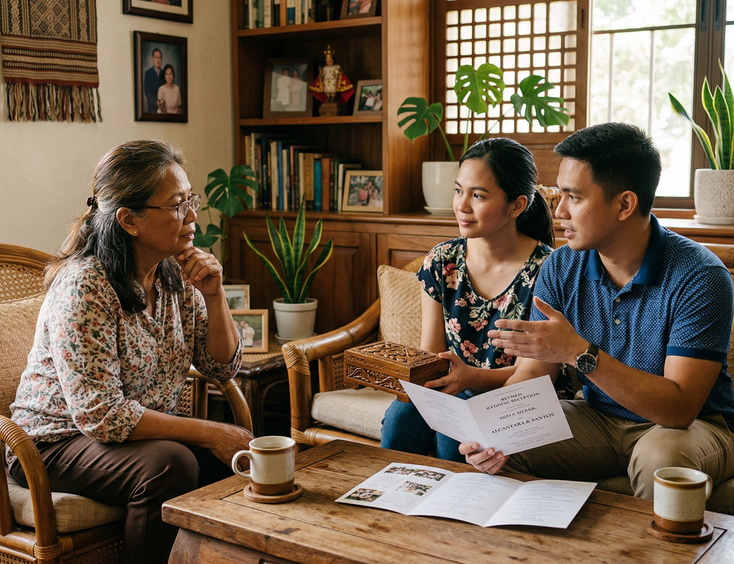
Families accept changes more readily when you replace a tradition with something rather than simply removing it. Skipping the formal gift presentation in its traditional form is easier to accept when you replace it with a private exchange the evening before, or fold it into a different part of the program.
The replacement does not need to be elaborate. It needs to show that you are not dismissing the spirit of the tradition, only adjusting its form. A modified version of something is easier for a family to accept than a blank space where a ritual used to be.
Acknowledge What the Tradition Means to Them
Parents and grandparents who practiced these customs in their own engagements connect the tradition to their own history. When you decline without acknowledging that, the message they receive is that their experience does not matter to you.
A short acknowledgment goes a long way. Saying that you understand this tradition mattered in their engagement and that your circumstances are different does not attack the tradition. It separates their experience from yours without dismissing either one.
Hold the Line Without Escalating
Some families push back hard. An elder may interpret any modification as disrespect for the culture, the family, or the match itself. When that happens, stay calm and stay specific.
Repeat your reasoning without adding new arguments each time. Bringing in more justifications with every exchange signals that you are looking for the right argument to win rather than a shared understanding. One clear reason, stated calmly and consistently, holds better than a rotating list of defenses.
If both sets of parents reach an impasse over a specific element, the couple decides. The tinghun is your ceremony. You carry the final call.
Know Which Traditions Are Worth Keeping Anyway
Some modifications create more friction than the original tradition deserved. If a tradition takes ten minutes, costs very little, and matters deeply to elderly relatives on either side, consider whether the energy spent modifying it is proportionate to the outcome.
Pick your positions carefully. Every change you ask for spends some of the goodwill you have with both families. Use that goodwill on modifications that matter for real, practical reasons.
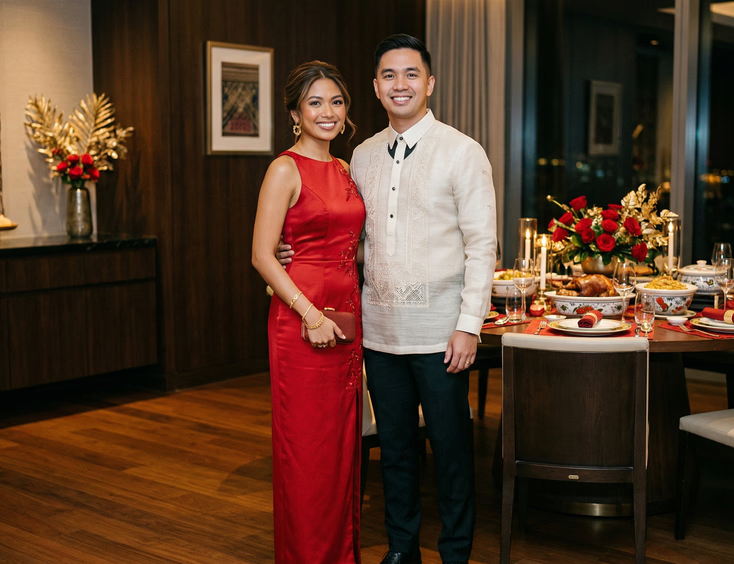
Modern Couples and Selective Tradition
Many couples today keep the structure of the tinghun while personalizing specific elements. They replace the traditional cheongsam with a modern formal dress in red. They serve the ceremonial dishes alongside a contemporary menu. They hold the ceremony in a restaurant instead of a family home. The frame stays Filipino-Chinese; the details adapt.
This approach tends to land better with families because it signals engagement with the tradition rather than departure from it. You are not abandoning the tinghun. You are holding a tinghun that fits your life.
For ideas on combining tradition with a more contemporary approach, read How Modern Filipino Couples Are Reinventing the Tinghun for Today's Generation.
When a Coordinator Helps
Navigating tradition with two families is easier when someone outside both families manages the conversation. A wedding coordinator with experience in tinghun ceremonies can help you identify which elements are flexible, how other couples have modified specific traditions, and how to present changes to both families in a way that keeps the planning process moving forward.
The coordinator is not there to make the decision for you. They give you the context and the language to make the decision well.
Still Searching for a Right Match?
Find Your Perfect Wedding Supplier Today!
Discover trusted wedding suppliers across the Philippines in our complete directory. Compare services and connect with the ones that fit your dream celebration.
Browse Wedding SuppliersFeatured Posts
Regional Wedding Customs Every Filipino Couple Should Know
23 mins readThe Complete Guide to Filipino Wedding Invitations: From Traditional Customs to Modern Trends
12 mins readThe Complete Filipino Couple's Guide to Wedding Rings & Bands in the Philippines: Traditions, Styles, Budgets & Where to Buy
22 mins read