


How to Coordinate Your Suit with Your Bride's Gown Without Overthinking It
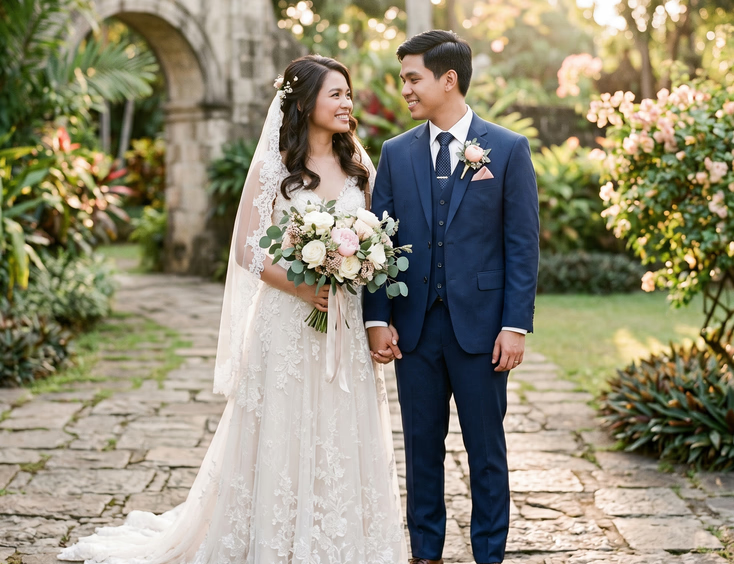
Most Filipino grooms hit a wall the same way. The bride picks her gown six months out, the groom books his tailor three months out, and somewhere between the two appointments, nobody talks about how the outfits will work together. The wedding photos come back a year later showing two people who clearly dressed for different events.
Coordination doesn't mean matching. It means your suit and her gown share enough visual cues that you read as a couple in every frame. This guide gives you the rules to get there without spreadsheets, mood boards, or three-hour debates.
Start with Her Gown, Not Yours
The bride almost always picks her gown first. The fabric, silhouette, and color set the visual tone for the entire wedding. Your suit follows her lead, not the other way around.
Three details from her gown shape your decisions.
Gown color. Pure white, ivory, champagne, blush, and pale gold dominate Filipino wedding gowns. Each one pairs with a different suit palette. Pure white pairs with dark suits in charcoal, navy, or midnight blue. Ivory and champagne pair with warm-toned suits in tan, warm grey, or soft brown. Blush gowns pair with dusty blue, sage, or grey suits. Skip pure white suits with pure white gowns, since the slight tonal mismatch reads as a mistake in photos rather than a design choice.
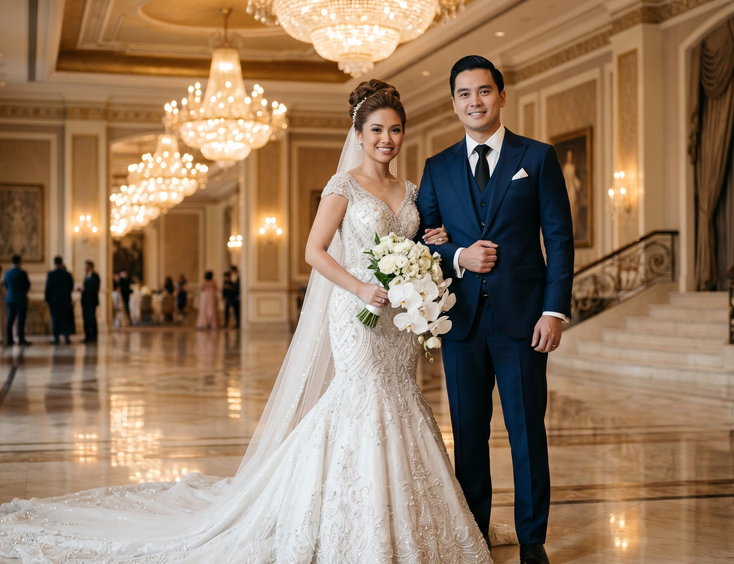
Gown formality. A ballgown with cathedral train and beaded bodice signals high formal. Pair it with a tuxedo or a dark three-piece suit. A flowy A-line gown in chiffon or organza signals soft formal. Pair it with a tailored two-piece in lighter colors. A boho-style gown with lace and minimal beading signals relaxed. Pair it with a linen or linen-blend suit in tan, sage, or stone.
Gown fabric. Heavy satin and mikado fabrics photograph structured. Match them with structured wool suits. Lightweight tulle, organza, and chiffon photograph soft. Match them with lighter wool blends, linen, or cotton-blend suits.
Ask your bride for a swatch from her gown maker. A two-by-two inch piece of her gown fabric tells you the exact white she's wearing, which lets your tailor pick a complementary undershirt and pocket square color.
Match Formality Across Both Looks
Formality mismatch ruins more wedding photos than color mismatch. A bride in a beaded ballgown standing next to a groom in a linen suit reads disjointed, even if the colors work.
Filipino weddings break into three formality tiers.
High formal. Cathedral or large church ceremony, ballroom reception at a five-star hotel, formal entourage. The bride wears a ballgown or mermaid silhouette with heavy beadwork and a long train. You wear a tuxedo or a three-piece suit in midnight blue, charcoal, or black with peak lapels.
Mid formal. Garden or smaller church ceremony, hotel ballroom or restaurant reception, modern entourage. The bride wears an A-line or fit-and-flare gown with moderate detail. You wear a two-piece suit in navy, grey, or warm earth tones with notch lapels.
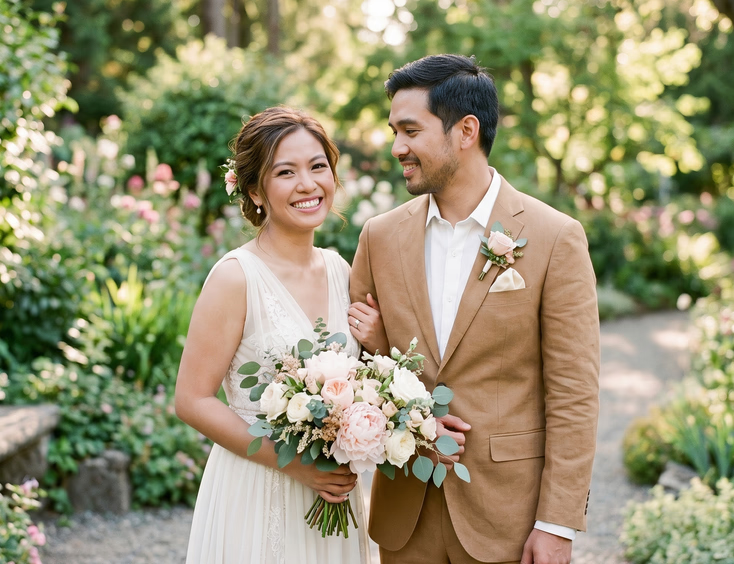
Soft formal. Beach, garden, or destination ceremony, outdoor or rustic reception, relaxed entourage. The bride wears a flowy gown in chiffon, organza, or lace. You wear a lightweight two-piece in linen, tan, sage, or stone.
Pick your tier first. Then pick your suit within that tier. Mixing tiers between bride and groom creates the visual disconnect that shows up in every full-length couple shot.
For more on matching your suit to the venue formality, read our guide on the best suit styles for Filipino grooms depending on your wedding theme.
Pull Color Cues from Three Sources
Coordinating color across two outfits sounds harder than it is. Three sources give you the palette without guesswork.
Her bouquet. The bridal bouquet is the most reliable color reference for the entire wedding day. The flowers tie the bride's gown to the venue, and your accessories should pull from the same flowers. If her bouquet is white roses with eucalyptus, your pocket square reads cream and your lapel pin sits in soft green. If her bouquet is blush peonies with gold accents, your tie reads dusty rose and your cufflinks read gold.
The wedding palette. Most Filipino couples set a two-to-three color palette early in the planning. Your secondary suit accent (tie, pocket square, or lapel pin) pulls from the secondary or tertiary palette color. Your suit base sticks to neutral.
Her hair, makeup, and jewelry. Warm-tone makeup with gold jewelry pairs with warm-tone suits in tan, brown, or warm grey. Cool-tone makeup with silver jewelry pairs with cool-tone suits in charcoal, navy, or cool grey. This rule sounds small, but it ties your faces together in close-up shots.
The base suit color should stay neutral. Reserve the color story for accessories. A navy suit with a blush pocket square and gold cufflinks reads coordinated. A blush suit with a navy pocket square reads costume.
Coordinate the Details Most Couples Miss
Big-picture coordination handles the gown and suit. Small-picture coordination handles the details photographers zoom in on.
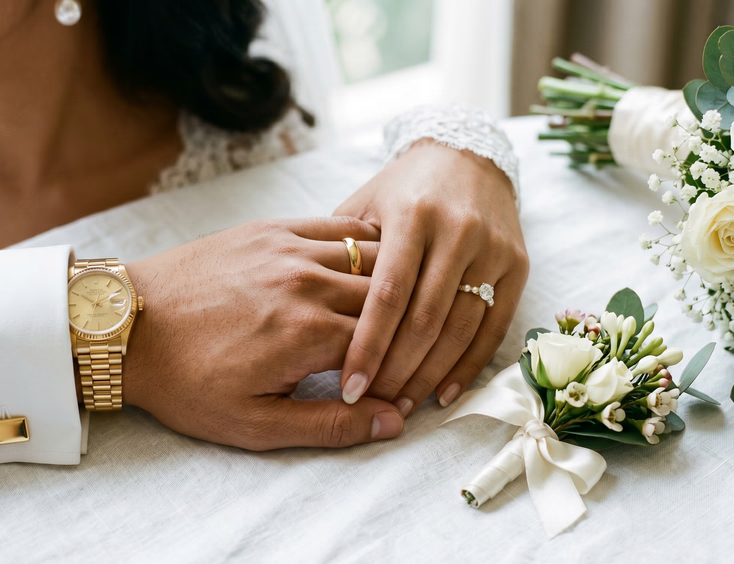
Wedding bands. Both rings should sit in the same metal family. Yellow gold with yellow gold. White gold or platinum with white gold or platinum. Rose gold with rose gold. Mixing metals across rings shows up in every ring exchange shot and every detail flat-lay.
Watch and jewelry. Your watch metal should match your wedding band. Her jewelry metal should match her wedding band. If she's wearing pearl earrings with a yellow gold setting, your watch and cufflinks should sit in yellow or rose gold tones.
Belt and shoes. Match the belt leather to the shoe leather. Black with black. Brown with brown. Cognac with cognac. Skip belt-shoe mismatches, since wedding photographers shoot full-length couple portraits where both show up.
Boutonniere or lapel pin. Pull the boutonniere from her bouquet. Same flower type, same secondary greenery. Florists handle this if you ask, but most Filipino grooms forget to brief the florist. Send your florist a photo of the bouquet design at least two weeks before the wedding.
For deeper coverage on the four accessory pieces and how they layer, read our breakdown on suit accessories 101 for Filipino grooms.
Plan One Coordination Meeting
Most Filipino couples skip the one meeting that solves coordination: a session where the bride brings her gown swatch, her bouquet sketch, her jewelry, and the groom brings his suit fabric, tie options, and accessory choices.
Schedule this meeting four months before the wedding, after the bride has finalized her gown and before you finalize your suit. Bring three things to the table.
The gown fabric swatch. The bouquet color reference, either a sketch from the florist or a Pinterest board with the exact flowers and palette. The wedding entourage palette, since your suit needs to coordinate with the groomsmen and ninongs as well.
Lay everything out on a neutral surface and pick the suit fabric, tie, pocket square, lapel pin, and cufflink colors in the same session. The decisions that take three weeks over text take forty-five minutes in person.
Avoid the Three Coordination Traps
Three coordination mistakes show up across Filipino weddings.
Matching exactly. A groom in a navy suit with a navy tie standing next to a bride in a navy-trimmed gown reads costume. Coordination uses related colors, not identical ones. Pick complementary or analogous shades from the same palette.
Following the entourage palette too literally. The bride's mom, the ninang, and the bridesmaids all have assigned colors. The groom's suit doesn't follow the bridesmaid palette. It coordinates with the bride alone. If the bridesmaids wear sage and the bride wears ivory, your suit pulls from the bride's ivory and bouquet, not the sage.
Locking in too early. Couples who pick the groom's suit before the bride finalizes her gown end up forcing the gown to fit the suit. Reverse the order. Lock in the gown first, then build the suit around it.
For grooms still deciding between suit and barong, the coordination math changes. Our guide on how Filipino grooms are making the suit-or-barong decision walks through how each option pairs with different gown styles.
A Final Coordination Checklist
Two weeks before the wedding, line up the coordination check.
The gown and suit sit in the same formality tier. The accessory colors pull from the bouquet or wedding palette, not the bridesmaid dresses. The wedding bands and watches match in metal family. The belt and shoes sit in the same leather color. The boutonniere matches the bridal bouquet.
Send your suit photos to the bride and her photos to you. Most coordination problems become obvious when you see the two outfits side by side, even just on a phone screen. Fixes at the two-week mark are still possible. Fixes at the wedding morning are not.
Browse our verified suits and barongs suppliers across the Philippines to find tailors who offer coordination consultations and accessory packages for couples. For the full picture on every wedding-day attire decision, return to the Filipino groom's complete guide to wedding suits and barongs.
Still Searching for a Right Match?
Find Your Perfect Wedding Supplier Today!
Discover trusted wedding suppliers across the Philippines in our complete directory. Compare services and connect with the ones that fit your dream celebration.
Browse Wedding SuppliersFeatured Blog Posts


Filipino Wedding Entourage - Roles, Order of March, and Modern Etiquette
6 mins readCivil Weddings in the Philippines - Requirements, Costs, and Step-by-Step Process
9 mins readCivil Wedding Requirements in the Philippines - Complete Checklist
6 mins readCost of Wedding in the Philippines - 5 Essential Things You Need to Know
7 mins readPrincipal Sponsors (Ninong/Ninang) - How Many, How to Ask, What They Really Do
4 mins readVeil, Cord, Candle & Coins - Roles, Options, and When They Happen
4 mins readEntourage for a Traditional Pinoy Wedding - Complete Roles and Guide
6 mins readComplete List of Civil Wedding Requirements in the Philippines
8 mins readHow to Choose Wedding Ninongs and Ninangs - Ask Yourself These 3 Important Questions
5 mins read