

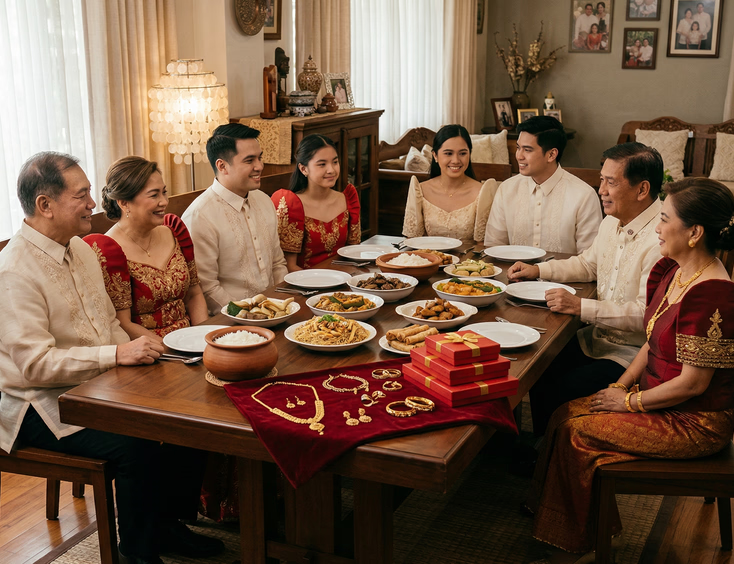
How to Choose an Auspicious Date for Your Tinghun in the Filipino-Chinese Tradition
Filipino-Chinese families treat the tinghun date as one of the first serious decisions in the engagement process. Choosing the wrong date, or choosing one without consulting the right sources, signals carelessness to the older generation. Choosing well signals that both families take the union seriously.
This is not superstition for its own sake. Date selection in Filipino-Chinese tradition connects to a wider belief that the timing of significant life events affects the conditions under which they unfold. A date chosen with care sets the right foundation. A date picked for convenience alone may technically work, but it skips a layer of meaning that matters to the families involved.
The Role of the Chinese Lunar Calendar
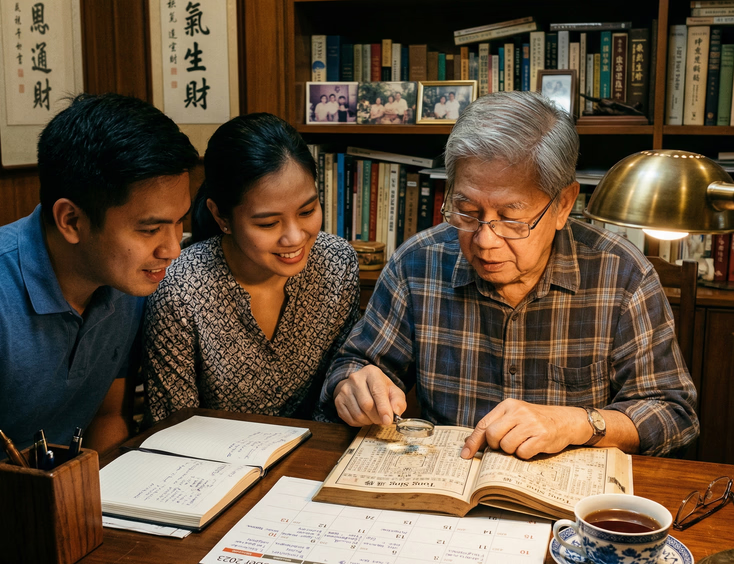
Most Filipino-Chinese families base auspicious date selection on the Chinese lunar calendar, also called the Tung Shing or Tung Sing. Published annually, it identifies favorable and unfavorable days for specific activities including engagements, weddings, travel, and business transactions.
The Tung Shing assigns each day a set of qualities based on the interaction of the five elements, the 12 animal signs, and the 28 lunar mansions. Some days are marked favorable for ceremonies and family gatherings. Others carry warnings against making commitments or beginning new relationships.
Most Chinese bookstores in the Philippines and online sources carry the current year's Tung Shing. Filipino-Chinese community associations in Binondo, Cebu, and Davao also publish almanac guides. Families serious about date selection consult the almanac directly rather than relying on secondhand recommendations.
What Makes a Date Auspicious for a Tinghun
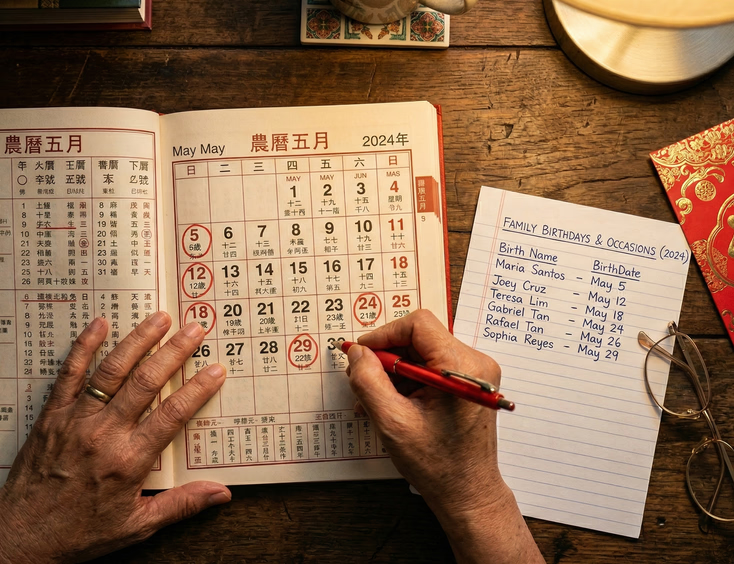
Not every favorable day in the Tung Shing suits a tinghun. Families look for days marked specifically favorable for:
- Engagements and betrothal ceremonies
- Family gatherings and social events
- Signing agreements or formalizing commitments
Beyond the almanac, families also consider:
The couple's birth dates and zodiac signs. A date that aligns with the lunar signs of both the bride and groom carries more weight than a generically favorable day. Some signs clash on certain dates even when the day itself looks positive in the almanac.
The parents' zodiac signs. In Filipino-Chinese tradition, the parents' compatibility with the date matters too, particularly the mothers, who play a central role in the ceremony.
Avoiding inauspicious months. The seventh lunar month, known as Ghost Month, is widely avoided for engagements and weddings. The fourth lunar month is also considered unfavorable by some families. Confirm which months the families observe before proposing dates.
Consulting a Fortune Teller or Date Selector
Many Filipino-Chinese families consult a professional date selector, feng shui master, or fortune teller rather than reading the almanac themselves. These practitioners cross-reference the Tung Shing with the couple's and parents' birth data to identify the most favorable windows.
In Metro Manila, practitioners based in Binondo and the surrounding Chinatown area handle date selection regularly for engagements and weddings. In Cebu, the local Filipino-Chinese community has established practitioners families have used for generations. In Davao, similar services operate through community associations.
Expect a consultation fee of ₱500 to ₱3,000 depending on the practitioner and the depth of the reading. Bring the birth dates of the couple and both sets of parents. Some practitioners also ask for birth times.

Balancing Auspicious Dates with Practical Constraints
The ideal date on the lunar calendar means little if key family members cannot attend. Filipino-Chinese tinghun ceremonies involve both immediate families, and the absence of a parent or grandparent undermines the ceremony's purpose regardless of how favorable the date looks in the almanac.
Work through these practical filters before presenting a date to the families:
Availability of both families. Out-of-town or overseas relatives need lead time. Confirm travel windows before committing to a date.
School and work calendars. Long weekends and school breaks make attendance easier for families with children. Public holidays affect venue and vendor availability and pricing.
Proximity to the wedding date. The tinghun typically happens six months to a year before the wedding. Placing it too close to the wedding date compresses the planning timeline for both events. For more on spacing the two events appropriately, read How Far in Advance Should You Plan a Tinghun Before the Wedding.
Venue availability. Once you have two or three auspicious date options, check venue availability before presenting the final choice to both families. Locking in a date that no suitable venue can accommodate forces a restart.
When Families Disagree on How Much Weight to Give the Date
Not every member of a Filipino-Chinese family observes lunar calendar traditions with the same conviction. Younger family members may treat the almanac as optional. Grandparents may treat it as non-negotiable.
The path through this disagreement is straightforward. Identify which family members hold the tradition most seriously. In most cases, that is the paternal grandparents or the groom's mother. Give their preference priority on the date question without making it a point of debate. Choosing a date that satisfies the most tradition-observant family member costs nothing and avoids unnecessary conflict before the ceremony.
If the couple and their immediate families prefer a modern approach but want to honor the older generation's expectations, consulting the almanac and selecting from its favorable dates, even loosely, demonstrates respect without requiring full adoption of the practice.
For more on navigating traditional expectations without creating friction, read How to Respectfully Decline or Modify Tinghun Traditions Without Offending Anyone.

How Far in Advance to Finalize the Date
Start the date selection process at least three to four months before the intended tinghun. This gives the family time to consult the almanac or a practitioner, cross-check with family availability, confirm the venue, and brief vendors.
Families who leave date selection to the last month often find that the most favorable dates on the calendar are already taken by their own scheduling constraints. Starting early preserves options.
Once the date is confirmed, both families should communicate it to key attendees immediately. Older relatives and those traveling from outside the city need as much lead time as possible.
A Practical Approach to Date Selection
The lunar calendar and the family's practical schedule are not competing priorities. Work through both simultaneously. Pull up the Tung Shing or consult a practitioner to identify three to five favorable windows within your target month. Then filter those windows against family availability, venue options, and proximity to the wedding date. The date that survives both filters is the right one.
A wedding coordinator experienced with Filipino-Chinese ceremonies can help manage this process, particularly when coordinating across families in different cities. Browse wedding planners and coordinators in our supplier directory to find someone familiar with tinghun date selection and Filipino-Chinese traditions.
For a complete overview of everything the tinghun involves, read Tinghun: The Complete Guide to the Traditional Filipino Engagement Ceremony. Couples working through the full planning sequence can also read How to Plan a Tinghun Ceremony: A Checklist for Both Families for a structured view of all the decisions involved. For families navigating the etiquette side of date announcement and ceremony preparation, Tinghun Etiquette: What Both Families Need to Know Before the Big Day covers what each side needs to handle in advance.
Still Searching for a Right Match?
Find Your Perfect Wedding Supplier Today!
Discover trusted wedding suppliers across the Philippines in our complete directory. Compare services and connect with the ones that fit your dream celebration.
Browse Wedding SuppliersFeatured Posts

Regional Wedding Customs Every Filipino Couple Should Know
23 mins readThe Complete Guide to Filipino Wedding Invitations: From Traditional Customs to Modern Trends
12 mins readThe Complete Filipino Couple's Guide to Wedding Rings & Bands in the Philippines: Traditions, Styles, Budgets & Where to Buy
22 mins read