

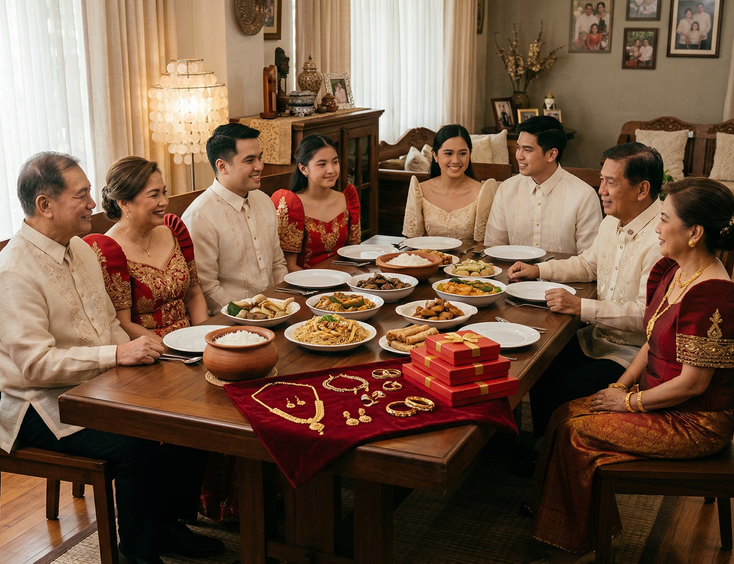
How to Blend Tinghun Traditions with a Western Engagement Party
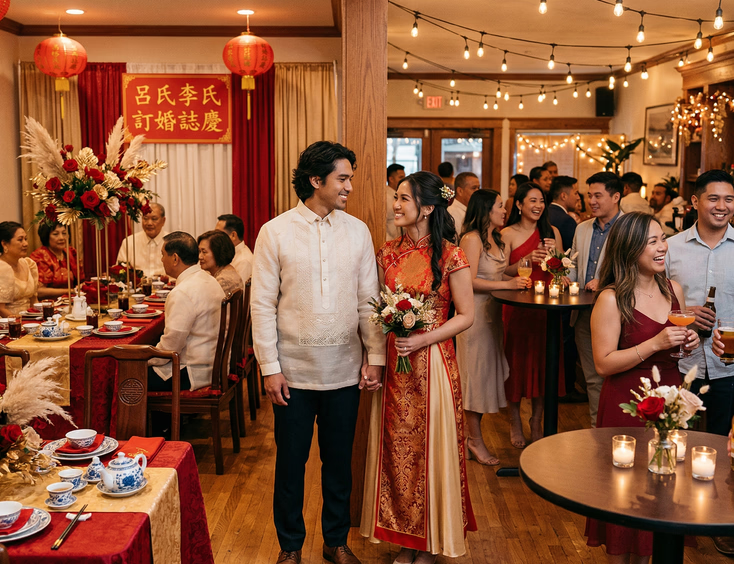
Some couples want both. They want the formal family ceremony that the tinghun provides and the relaxed, celebratory atmosphere of a Western engagement party. Combining them is possible, but it requires more planning than either event would on its own.
Before deciding how to combine these two formats, make sure you understand what the tinghun ceremony traditionally involves. Read Tinghun: The Complete Guide to the Traditional Filipino Engagement Ceremony first.
Why Couples Want Both
The tinghun serves the families. It is a formal ceremony centered on introducing two families to each other, exchanging symbolic gifts, and receiving blessings from elders. It carries cultural and relational weight that a Western engagement party does not replicate.
The Western engagement party serves the couple's broader social circle. Friends, colleagues, and younger relatives who sit outside the formal family network get a moment to celebrate the couple in a setting that feels accessible to them.
Treating these as two separate purposes makes the planning clearer. You are not blending two parties. You are running two distinct events, either sequentially in the same venue and day or on separate occasions entirely.
Two Events or One Day
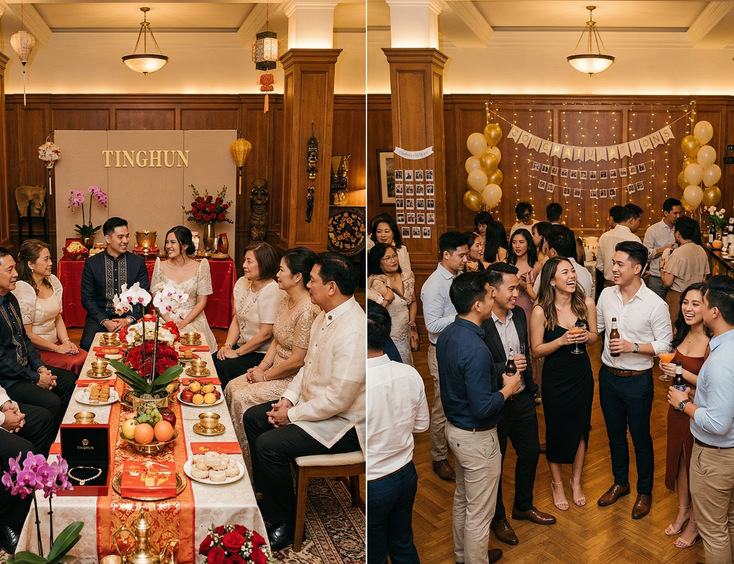
The cleaner approach is two separate events. A tinghun held for family, followed days or weeks later by an engagement party for friends. Each event has its own guest list, atmosphere, and purpose. Neither format has to accommodate the other.
Many couples choose this because it removes the tonal conflict between a formal ceremonial gathering and a casual celebratory one. An elder following the gift presentation does not have to transition into a cocktail party atmosphere. Friends who attend the engagement party do not sit through a ceremony they do not understand.
When budget or scheduling makes two events impractical, a single day with two distinct segments works. The ceremony runs first, in full. After the meal and closing blessings, the gathering transitions into a more relaxed format. The transition needs a clear marker, a short break, a change in music, or a shift in seating, so guests understand that the formal portion has concluded.
Who Attends Which Part
If you run both events on the same day, decide who attends which segment before you finalize the guest list. Immediate family attends the full day, from the tinghun ceremony through to the party. Extended friends and younger guests join for the engagement party portion only.
This requires clear communication in your invitations. Send two different invitations if the lists differ significantly. A combined invitation that specifies arrival times for different groups works for smaller gatherings. What does not work is leaving guests to figure out when they are supposed to arrive or whether they are welcome for the full event.
For a detailed approach to managing a guest list across two formats, read Who Should Be Invited to the Tinghun and How to Handle the Guest List.
The Venue Question
Holding both events in the same venue simplifies logistics significantly. A private dining room for the tinghun ceremony transitions into a larger function space for the engagement party. A family home handles the tinghun while the garden or an adjacent space holds the party afterward.
When the two events happen in different venues on different days, the venue decision for each becomes straightforward. The tinghun venue suits an intimate formal gathering. The engagement party venue suits the couple's friend group and preferred atmosphere.
The mistake couples make is choosing a venue sized for the engagement party and trying to run the tinghun inside it. A large function hall with a hundred covers is the wrong setting for a ceremony that depends on intimacy and focus. Scale the venue to the tinghun first. The party adapts more easily than the ceremony does.
For venue options suited specifically to the tinghun portion, read Tinghun Venue Ideas in the Philippines: From Intimate Homes to Private Dining.
Keeping the Tinghun Intact
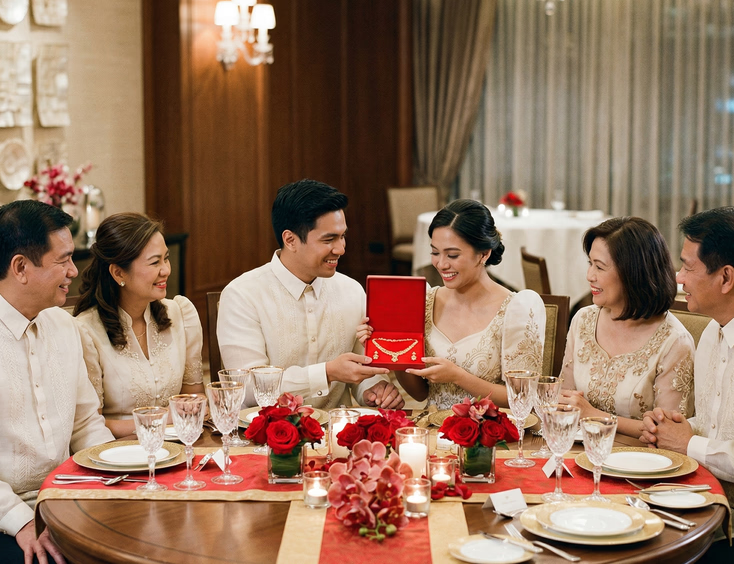
The most common mistake in blended events is letting the engagement party format bleed into the tinghun ceremony. Couples add cocktail-hour elements before the ceremony has finished, allow the music to start too early, or rush through the formal program to get to the party.
The tinghun runs at the pace it requires. The gift presentation, the family introductions, the prayers, and the meal are not abbreviated to make room for what comes after. If the tinghun takes three hours, the party starts after three hours. Build the day around the ceremony, not the other way around.
Decor That Bridges Both Formats
Traditional tinghun decor centers on red and gold, with formal table settings and ceremonial arrangements. Western engagement party decor runs a broader range, from floral garden setups to modern minimalist tablescapes.
Couples who run both on the same day use a shared palette that reads across both atmospheres. Deep red and blush, or gold and champagne, work in a formal ceremonial setting and a relaxed party setting without the transition feeling jarring. Avoid decor that is so distinctly one format that it undercuts the other.
If the events happen on separate days, each takes on its own visual identity. The tinghun leans traditional. The engagement party reflects the couple's personal style. No compromise required.
For decor ideas specific to the tinghun, read Tinghun Decor Inspiration: From Traditional Red and Gold to Modern Elegant Setups.
Explaining the Tinghun to Western-Oriented Guests
Friends and colleagues attending an engagement party after a tinghun ceremony often know very little about what they are witnessing if the two events overlap. A short explanation in the program, from the couple before the ceremony begins, or through a note in the invitation helps guests understand what is happening and why it matters.
This is not about educating guests at length. Two or three sentences explaining that the family ceremony follows a Filipino-Chinese tradition and that the formal portion precedes the celebration is enough. Guests who understand the context behave accordingly.
Food Across Both Events
The tinghun meal centers on traditional dishes with ceremonial meaning. Steamed fish, longevity noodles, tikoy, and other symbolic foods belong to this portion of the day. The engagement party food follows the couple's preferences and their guests' expectations.
When both events run on the same day, plan two distinct menus rather than stretching one across both formats. The ceremonial dishes land with more meaning when they are not surrounded by cocktail food. The engagement party spread does not need to carry the weight of tradition.
Managing the Budget Across Both Events
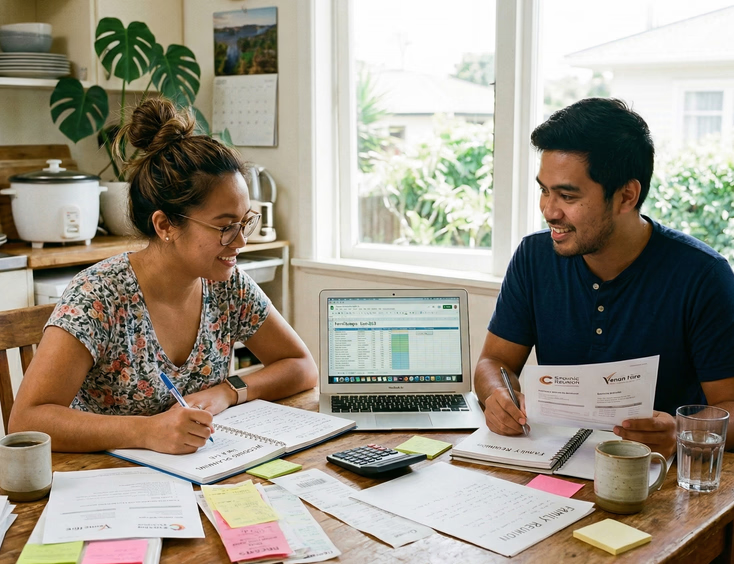
Two events cost more than one. Couples who decide to combine formats need a budget that accounts for both honestly before committing to either. The tinghun carries its own costs in food, venue, and gifts. The engagement party adds catering, a different venue or setup, and often a longer guest list.
Allocate the budget to each event separately. Decide what each one requires to feel complete and fund each one accordingly. Couples who blend the budgets without separating the costs tend to underfund the tinghun to keep the engagement party viable, or vice versa.
For a clear framework on setting the tinghun budget specifically, read How to Set a Realistic Tinghun Budget That Works for Both Families.
What a Coordinator Manages That You Cannot
Running a tinghun and a Western engagement party, whether on the same day or across two separate events, involves coordinating two different atmospheres, two guest lists, two catering setups, and the logistics of transitioning between formats. A wedding coordinator with experience in both traditional Filipino ceremonies and contemporary events handles the sequencing, manages vendor timing, and keeps the day moving without pulling the couple out of either moment.
The couple's job is to be present for both events. A coordinator's job is to make sure both events actually happen the way the couple planned them.
Still Searching for a Right Match?
Find Your Perfect Wedding Supplier Today!
Discover trusted wedding suppliers across the Philippines in our complete directory. Compare services and connect with the ones that fit your dream celebration.
Browse Wedding SuppliersFeatured Posts
Regional Wedding Customs Every Filipino Couple Should Know
23 mins readThe Complete Guide to Filipino Wedding Invitations: From Traditional Customs to Modern Trends
12 mins readThe Complete Filipino Couple's Guide to Wedding Rings & Bands in the Philippines: Traditions, Styles, Budgets & Where to Buy
22 mins read