

How to Behave at a Tinghun as a Guest: A Practical Etiquette Guide
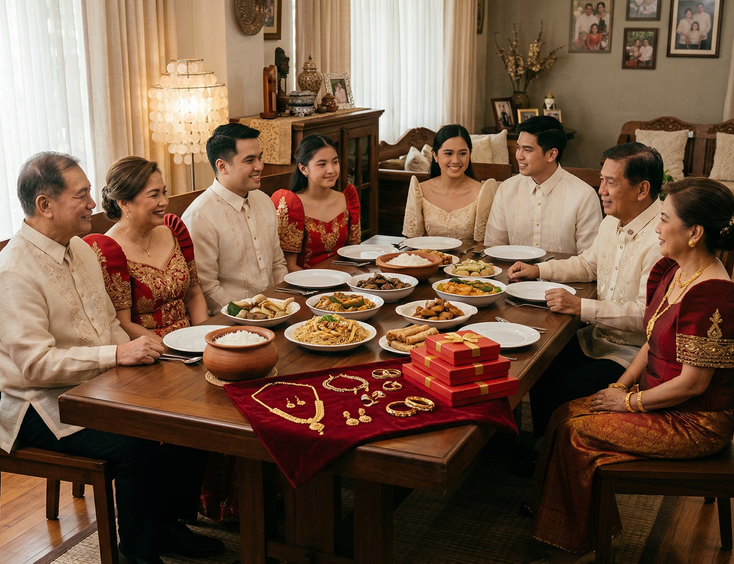
Getting invited to a tinghun is an honor. Both families have chosen to include you in a ceremony that carries real cultural and familial weight. How you show up, conduct yourself, and leave reflects on the person who invited you.
If you want the full picture of what this ceremony involves before you attend, read Tinghun: The Complete Guide to the Traditional Filipino Engagement Ceremony.
Confirm Your Attendance Early
When you receive an invitation to a tinghun, respond promptly. The hosting family plans the food, seating, and ceremony around a specific number of people. A late confirmation or a no-show the day before creates real logistical problems for families already managing a significant occasion.
If your schedule changes after you confirm, tell the host as early as possible. Do not simply fail to appear.
Arrive on Time
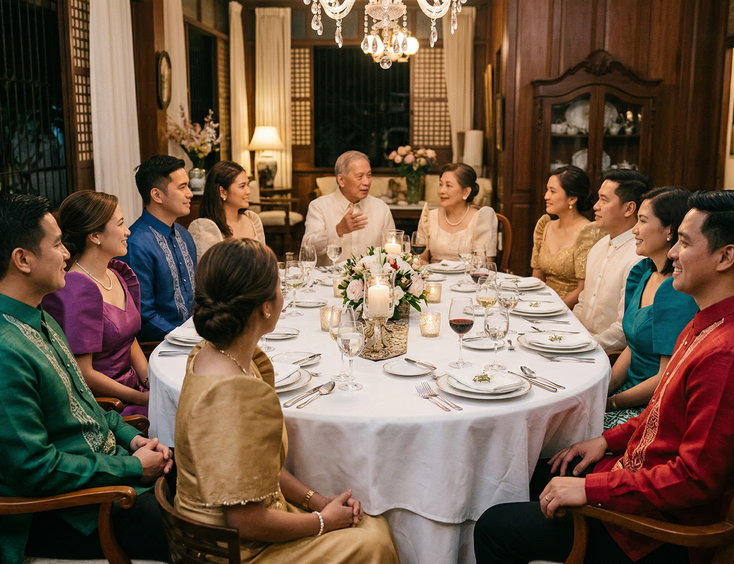
A tinghun follows a sequence. Gifts are presented, families are introduced, food is served, and blessings are exchanged in a particular order. Guests who arrive after the ceremony has started disrupt that sequence and draw attention away from the couple.
Arrive within fifteen minutes of the stated start time. If you are running late, message the host before you arrive, not after.
Dress the Part
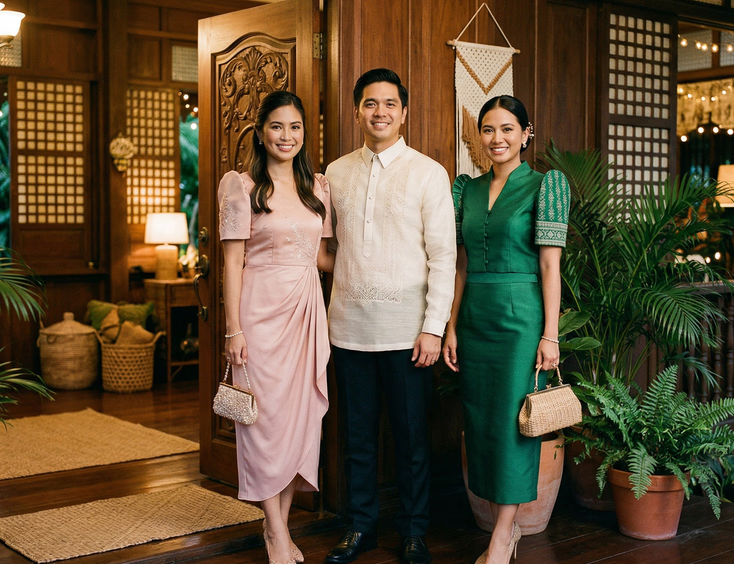
Semi-formal attire in festive colors is the standard for guests. Avoid black and, in most cases, white. These colors carry associations with mourning in Filipino-Chinese tradition, and wearing them to a tinghun signals either ignorance of the custom or indifference to it.
If the invitation includes a dress code, follow it. If it does not, err on the side of more formal rather than less. For a detailed breakdown of color choices and outfit options, read What to Wear to a Tinghun Ceremony: A Dress Code Guide for the Whole Family.
Greet Both Families
At a tinghun, two families are meeting formally, often for one of the first times. As a guest, you greet both sides, not only the family you know. A mano gesture toward elders on both sides shows respect. A brief introduction of yourself to unfamiliar family members avoids the awkwardness of being a nameless face at a family gathering.
If you do not know anyone on one side of the family, let the person who invited you introduce you. Do not hover quietly and wait to be noticed.
Understand Your Role During the Ceremony
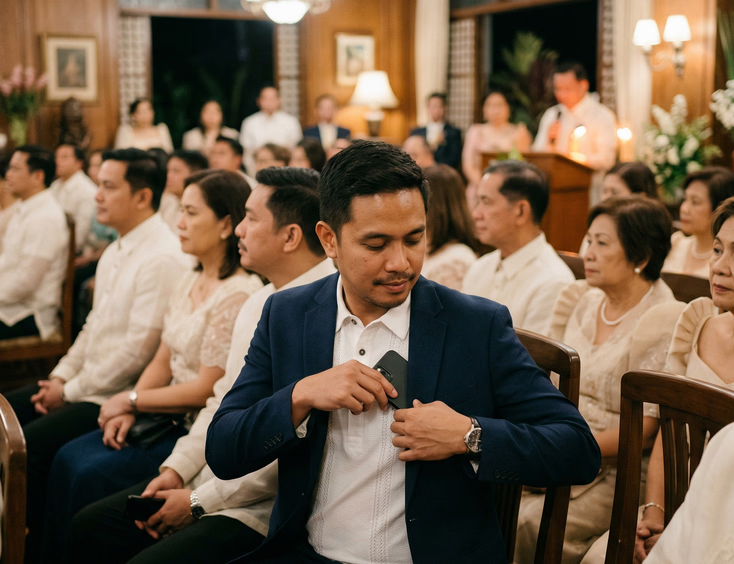
The ceremony centers on the couple and both families. Guests observe. During the gift presentation, the formal introductions, and any prayers or blessings, stay seated and attentive. Side conversations, phone use, and movement around the room during these moments are disrespectful to the occasion.
When the families exchange words and the couple receives gifts, treat it with the same attention you would give to a wedding vow exchange. The significance is comparable.
Handle Your Phone Correctly
Taking photos at a tinghun is acceptable, but not at all times. During the formal portions of the ceremony, put your phone away unless the family has invited guests to document the moment. Flash photography during prayers or gift presentations is disruptive.
If a photographer or videographer is present, they have the access and positioning to capture the ceremony properly. Your job as a guest is to be present, not to get the shot.
Follow the Food Cues
Food at a tinghun is ceremonial before it is social. Specific dishes carry meaning, and the host family has prepared them deliberately. Do not begin eating before the hosts invite guests to the table. Do not leave food untouched in a way that signals dislike, particularly dishes prepared as part of the tradition.
If you have dietary restrictions, manage them quietly. Tell the host in advance when possible. Announcing restrictions at the table, especially about traditional dishes, places the host in an awkward position.
For more on what food appears at a tinghun and why it matters, read The Role of Food in a Tinghun Ceremony and What Dishes Are Traditionally Served.
Speak to the Couple Directly
Many guests talk around the couple instead of to them. They congratulate the parents, discuss the upcoming wedding in general terms, and treat the couple as background figures in their own ceremony. Acknowledge the couple directly. Offer your congratulations to them personally.
Keep your conversation warm but brief during the formal portions of the event. There will be time during the meal for longer exchanges.
Bring a Gift if Expected
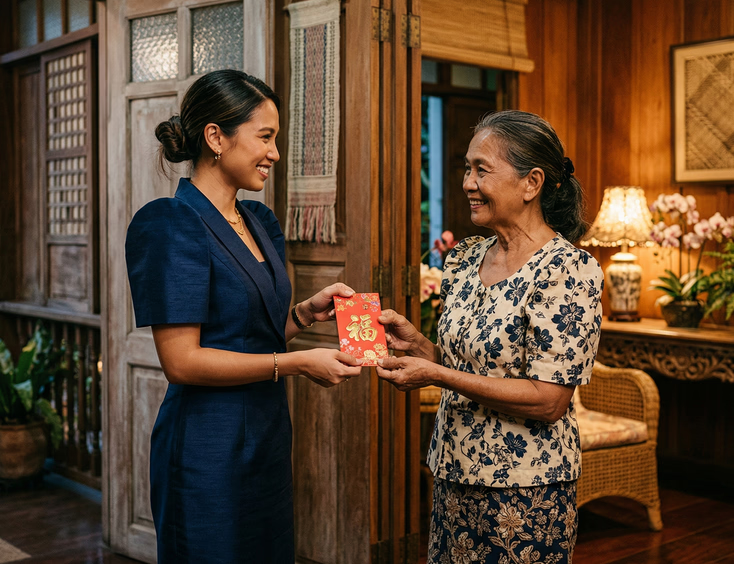
In some tinghun celebrations, guests bring gifts or monetary envelopes, particularly in Filipino-Chinese families. If you are unsure whether this is expected, ask the person who invited you before the day. Arriving empty-handed when others bring gifts creates an uncomfortable moment.
If you do bring a gift, present it to the hosts or place it at the designated area. Do not hand it directly to the couple during the formal ceremony unless invited to do so.
Read the Room at the Dinner Table
The meal after the ceremony is where the gathering relaxes. Conversation opens up, families mix, and the formality eases. Even so, read the energy of the table. Topics like the cost of the wedding, the couple's living arrangements, or questions about children are better avoided unless the families raise them first. You are a guest at a family milestone, not a member of either family planning committee.
Know When to Leave
A tinghun is an event with a natural conclusion. Once the meal ends, toasts are made, and the families have exchanged their final words, the gathering winds down. Guests who overstay shift the event's energy from celebration to obligation. Thank both families before you leave. A brief, sincere acknowledgment to each side takes less than two minutes and leaves the right impression.
The Difference a Prepared Guest Makes
Both families notice how guests carry themselves. A tinghun brings together people who may not know each other, under circumstances loaded with cultural expectation. Guests who arrive prepared, behave with care, and show genuine respect for the occasion make the day easier for everyone hosting it.
Couples working with a wedding coordinator can ask for a simple guest briefing guide to send with invitations. That one step removes most of the guesswork for attendees unfamiliar with the tradition.
Still Searching for a Right Match?
Find Your Perfect Wedding Supplier Today!
Discover trusted wedding suppliers across the Philippines in our complete directory. Compare services and connect with the ones that fit your dream celebration.
Browse Wedding SuppliersFeatured Posts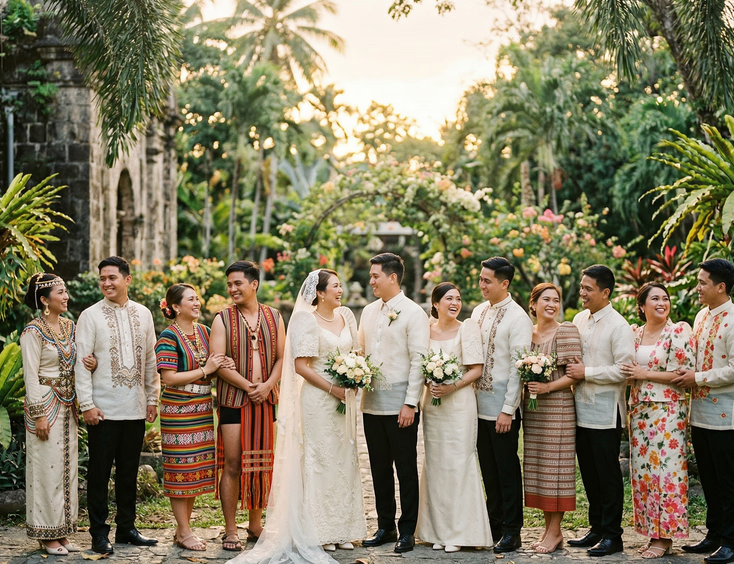
Regional Wedding Customs Every Filipino Couple Should Know
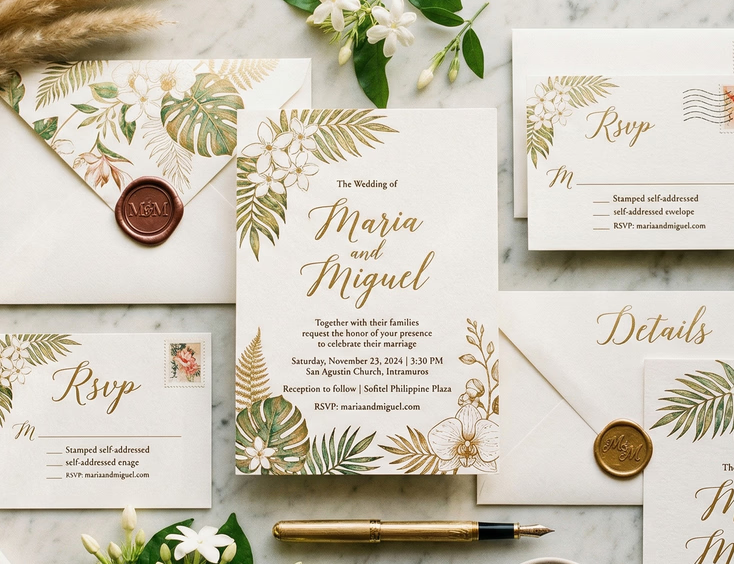
23 mins readThe Complete Guide to Filipino Wedding Invitations: From Traditional Customs to Modern Trends
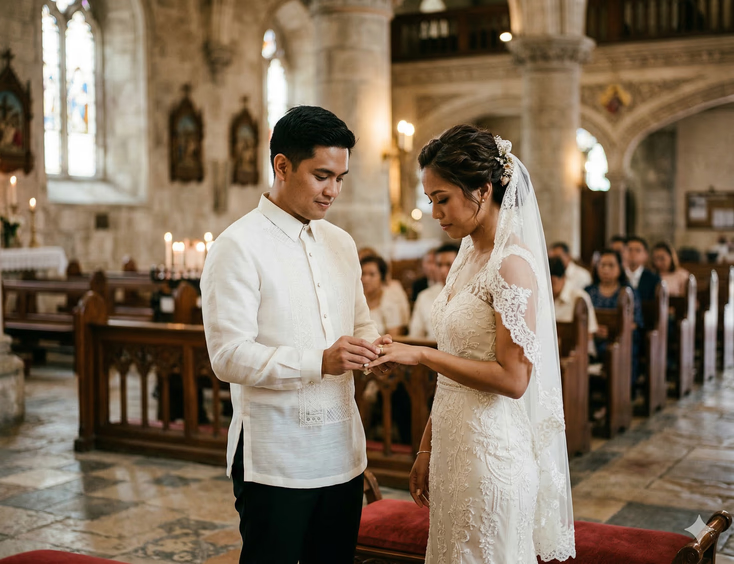
12 mins readThe Complete Filipino Couple's Guide to Wedding Rings & Bands in the Philippines: Traditions, Styles, Budgets & Where to Buy
22 mins read