


How Much Does It Cost to Have a Baby in the Philippines

More expecting parents lose sleep over money than over labor. Your choices decide what you pay. Three things set the total: where you deliver, how you deliver, and the coverage you carry. The bill lands anywhere from a few thousand pesos at a public facility to several hundred thousand for a private cesarean with complications. This guide shows where the money goes, so you can build a budget early, and it fits inside the larger picture of preparing for motherhood in the Philippines.
The Factors Behind the Cost
A few factors push your bill up or down:
- Facility type, from a public lying-in clinic to a private hospital
- Delivery type, normal or cesarean section
- Room choice, from a shared ward to a private suite
- Professional fees for your OB, pediatrician, and anesthesiologist
- Location, with Metro Manila rates running higher than the provinces
- Complications that extend your stay or call for the NICU
Pick a public ward and a normal delivery, and you sit at the low end. Add a CS, a private suite, and a longer stay, and the total climbs fast.
The Expenses to Budget For
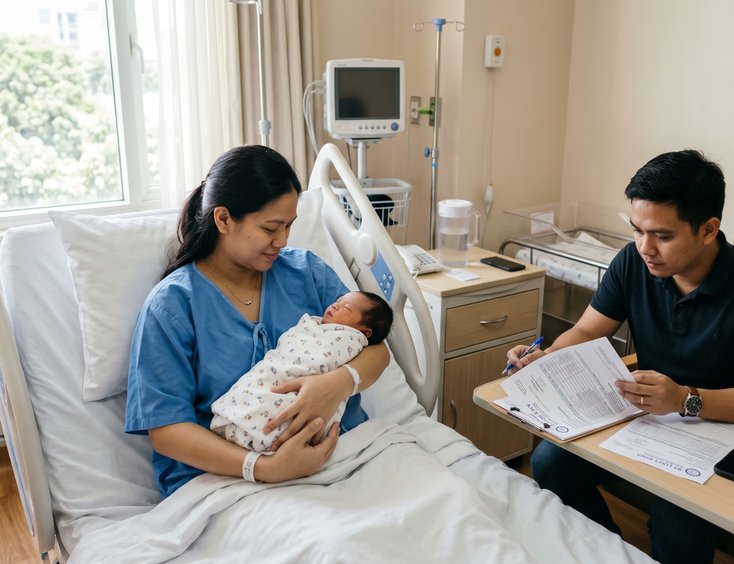
The cost spreads across the whole journey, from your first checkup to the weeks at home:
- Prenatal care: monthly checkups, lab tests, ultrasounds, and vitamins. A prenatal care checklist for first-time moms shows what you'll pay for along the way.
- Delivery and hospital stay: the room, the delivery or operating room, medicines, and supplies.
- Newborn care: nursery fees, the newborn screening test, first vaccines, and the pediatrician's rounds.
- Postpartum care: your own medicines, follow-up visits, and recovery needs. Plan for these with postpartum recovery tips for new Filipino moms.
- Baby's first needs at home: diapers, bottles, clothes, and a safe place to sleep. Map them out with this newborn essentials checklist every Filipino mom needs.
Normal Delivery vs Cesarean Section
Your delivery method changes the bill more than almost any other factor:
- A normal spontaneous delivery costs the least, with a shorter stay and fewer fees.
- A cesarean section costs much more. It adds a surgeon, an anesthesiologist, operating room charges, and a longer recovery.
You don't always get to choose. A normal birth can turn into a CS once labor starts.
Budget for a cesarean even when you plan a normal delivery. If the day stays simple, you keep the extra in your pocket.
Public vs Private Facilities
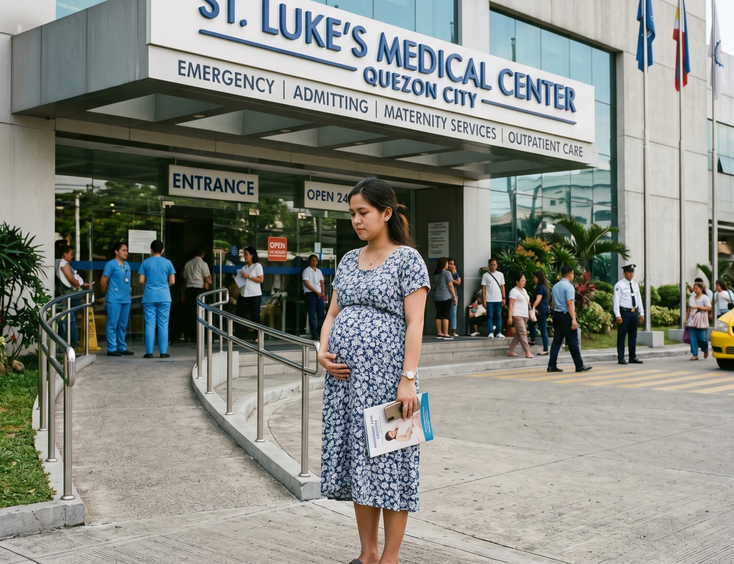
Your choice of facility shapes both your comfort and your cost:
- Public hospitals and government lying-in clinics charge the least, sometimes close to nothing with PhilHealth. Expect longer queues, shared rooms, and less choice of doctor.
- Private hospitals charge more for the room, the doctors, and the extras. You get privacy, your own OB, and shorter waits.
Many private hospitals sell a maternity package that bundles the room, delivery, and basic newborn care into one rate. Ask for the inclusions and the price before you commit, since rates change year to year.
Coverage That Lowers the Bill
Three forms of coverage lower what you owe:
- PhilHealth pays a fixed case rate for normal and cesarean delivery, which the hospital deducts from your bill. Confirm the current rate and your member status before delivery.
- The SSS maternity benefit gives employed and self-employed members a cash benefit based on their contributions. File your notification early.
- An HMO with a maternity rider can cover a slice of the cost, though most carry a waiting period of around ten months. Read the fine print.
Sort out your PhilHealth, SSS, and HMO papers during pregnancy. The discounts apply only when your documents are ready.
Ways to Bring the Cost Down
You can lower the total in several ways:
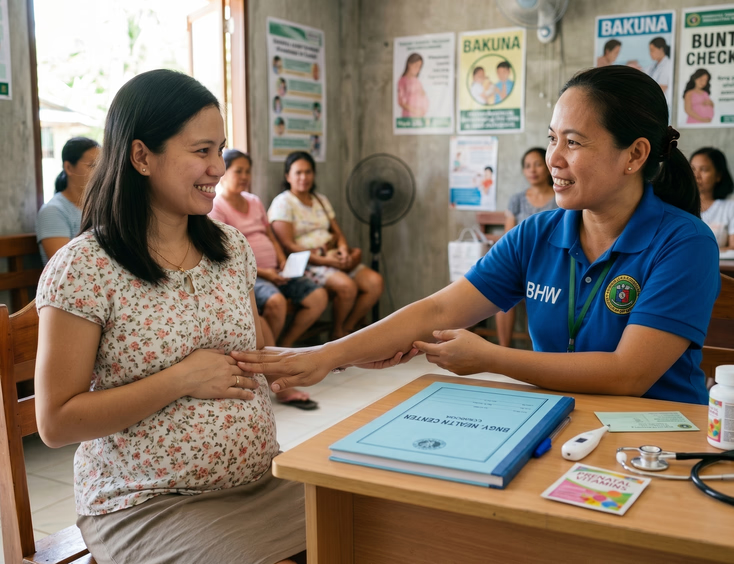
- Get your routine prenatal checkups and vitamins free at the barangay health center
- Choose a public hospital or accredited lying-in clinic for a low-risk pregnancy
- Ask your OB for generic medicines over branded ones
- Compare maternity package rates across two or three hospitals
- Accept hand-me-down clothes, cribs, and gear from family
- File every PhilHealth, SSS, and HMO claim you qualify for
Build Your Baby Fund
Add up your likely costs, then pad the total for the surprises that come with any birth. Open a separate savings account in the first trimester and feed it each payday. Start early, and you'll face an early labor or an unplanned CS without scrambling for cash.
No two birth stories cost the same, and the total says nothing about the parent you'll become. Plan for the delivery you expect, set aside extra for the one you don't, and walk into that hospital ready.
Still Searching for a Right Match?
Find Your Perfect Wedding Supplier Today!
Discover trusted wedding suppliers across the Philippines in our complete directory. Compare services and connect with the ones that fit your dream celebration.
Browse Wedding SuppliersFeatured Blog Posts









Filipino Wedding Entourage - Roles, Order of March, and Modern Etiquette
6 mins readCivil Weddings in the Philippines - Requirements, Costs, and Step-by-Step Process
9 mins readCivil Wedding Requirements in the Philippines - Complete Checklist
6 mins readCost of Wedding in the Philippines - 5 Essential Things You Need to Know
7 mins readPrincipal Sponsors (Ninong/Ninang) - How Many, How to Ask, What They Really Do
4 mins readVeil, Cord, Candle & Coins - Roles, Options, and When They Happen
4 mins readEntourage for a Traditional Pinoy Wedding - Complete Roles and Guide
6 mins readComplete List of Civil Wedding Requirements in the Philippines
8 mins readHow to Choose Wedding Ninongs and Ninangs - Ask Yourself These 3 Important Questions
5 mins read