


Halo-Halo Carts for Weddings: A Crowd-Pleasing Station Your Guests Will Love
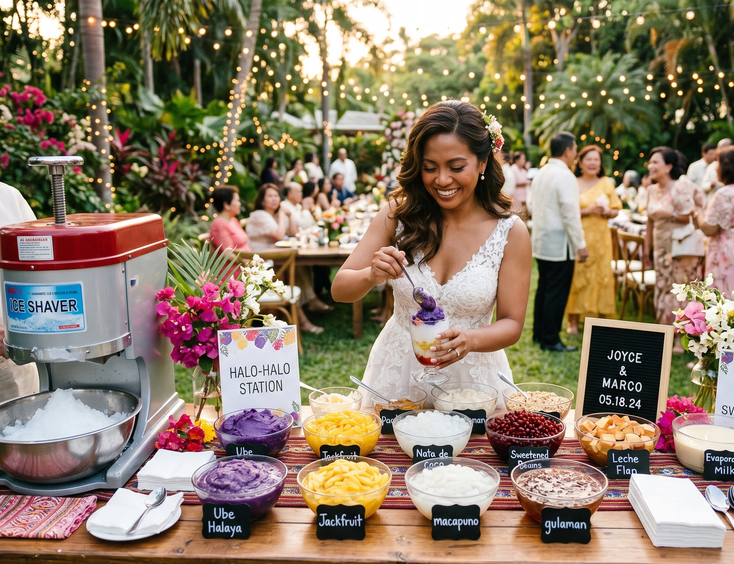
A halo-halo station at a wedding reception does two things at once. It gives your guests a cold, layered dessert they already love, and it turns the serving process into an activity. Guests pick their toppings, build their bowl, and walk away with something colorful, personal, and impossible to photograph badly.
Halo-halo is the Filipino dessert most people associate with summer, fiestas, and family reunions. Bringing it to your wedding reception connects your celebration to those same feelings without a single speech or slideshow. The bowl does the emotional work on its own.
This post covers how to set up a halo-halo cart at your wedding, what toppings to offer, how to staff it, and how to pair it with other stations for a full dessert experience.
For the full guide on all food cart types and grazing tables, read our pillar post on wedding food carts and grazing tables for your Filipino wedding reception.
What Goes Into a Wedding Halo-Halo Station
Halo-halo means "mix-mix" in Filipino. The dessert is a layered combination of shaved ice, evaporated milk, and a rotating cast of sweet toppings. At a wedding, you present the toppings in separate containers and let guests assemble their own bowl.
The Base
Shaved ice forms the foundation. You need a commercial ice shaver or a supplier who brings a machine that produces fine, snow-like ice. Coarse ice melts faster and dilutes the toppings before guests finish their bowl. Fine shaved ice holds its texture longer and absorbs the evaporated milk without turning into soup.
Evaporated milk goes on top after the guest finishes layering. Some stations offer a choice between regular evaporated milk and condensed milk for guests who prefer a sweeter base.
Classic Toppings
A traditional halo-halo spread includes:
- Leche flan slices or cubes
- Ube halaya (purple yam jam)
- Sweetened kidney beans (red beans)
- Sweetened chickpeas (garbanzos)
- Nata de coco (coconut gel cubes)
- Kaong (sugar palm fruit)
- Macapuno (sweetened coconut strips)
- Sago (tapioca pearls)
- Pinipig (toasted rice flakes)
- Langka (jackfruit strips)
- Ube ice cream scoop on top
You do not need all of these. Eight to ten toppings give guests enough variety without overwhelming the table or the budget.
Modern Add-Ons
Some couples upgrade the classic spread with contemporary toppings:
- Crushed graham crackers
- Cornflakes
- Brownie bits
- Mochi pieces
- Cookie crumbles
- Matcha powder dusting
These additions appeal to younger guests and give the station a dessert-bar feel without replacing the traditional elements. Place modern toppings at the end of the line so guests build their classic base first and add extras at the end.
Why Halo-Halo Works at Filipino Weddings
Guests Build Their Own
A halo-halo station is self-directed. Guests walk up, grab a bowl or cup, and layer their toppings in whatever order and quantity they want. This interactive format keeps guests engaged and moving, which reduces the dead time between dinner and dancing that plagues most reception timelines.
The build-your-own format also solves the picky eater problem. Guests with a sweet tooth load up on leche flan, ube halaya, and condensed milk. Guests who prefer something lighter grab shaved ice, nata de coco, and a splash of evaporated milk. Nobody gets a bowl they did not choose.
It Handles Heat
Afternoon and outdoor receptions in the Philippines mean heat. A cold dessert station gives guests a functional reason to visit the cart, not just a craving. Halo-halo after two hours of sun, speeches, and dancing feels like relief. That timing advantage makes it more effective than a warm dessert cart at a midday garden wedding in Laguna or Bulacan.
The Colors Photograph Well
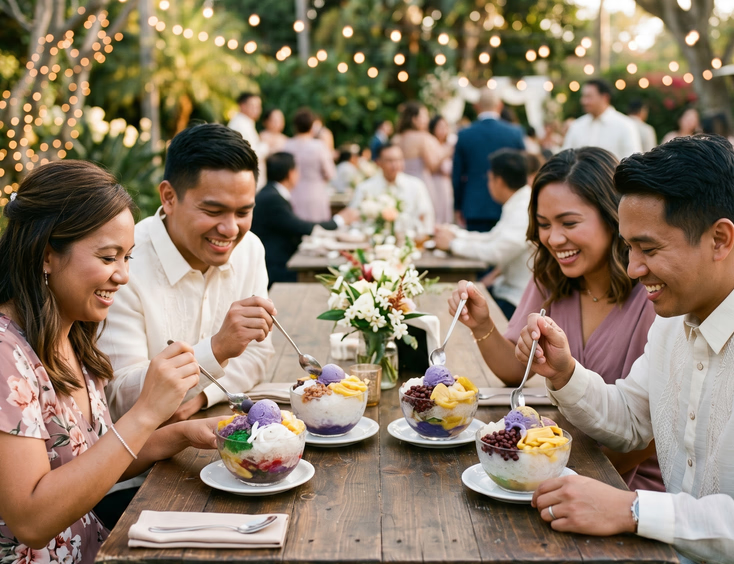
A finished halo-halo bowl is layered with purple ube, white ice, yellow jackfruit, red beans, and brown leche flan. The colors contrast against each other and against the white of the bowl. Guests photograph their creations from above, tag your wedding hashtag, and share it. You get organic social media content from a dessert that costs P40 to P80 per serving.
Broad Guest Appeal
Halo-halo crosses age groups. Kids like the ice cream and the sweetness. Teens and young adults treat it as a customizable dessert bowl. Older guests recognize it from every fiesta and family lunch they attended growing up. Few other food stations at a wedding carry that kind of generational range.
How to Set Up a Halo-Halo Station at Your Reception
Station Layout
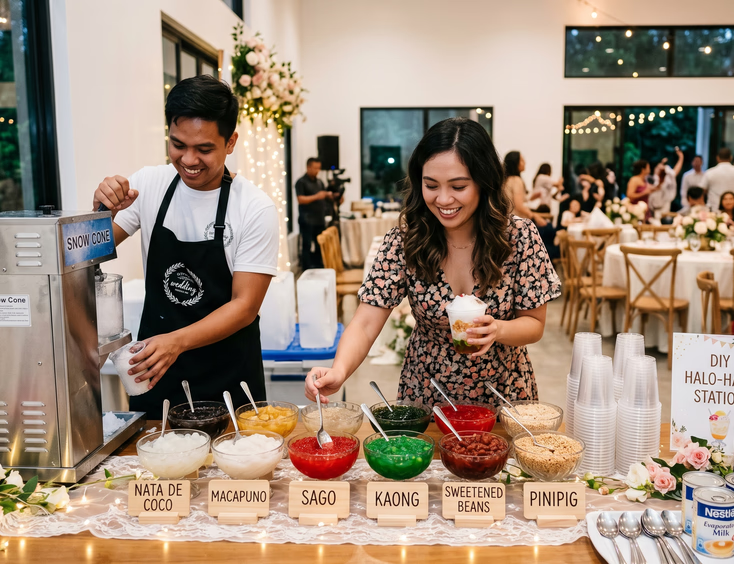
Arrange the toppings in a single line on a long table or a purpose-built cart. Place the shaved ice machine at the start, toppings in the middle, and the evaporated milk and spoons at the end. This flow keeps the line moving in one direction and prevents guests from doubling back.
Label each topping with a small sign or card. Not all guests know what kaong or macapuno looks like, and labels prevent the "what's that?" bottleneck at the middle of the line.
Use deep serving bowls or insulated containers for toppings that need to stay cold. Nata de coco, sweetened beans, and kaong hold up at room temperature for a couple of hours. Ube halaya and leche flan should stay chilled or be replenished in small batches.
Bowls vs. Cups
Bowls are the traditional choice. They hold more toppings, present the layers well, and feel like a proper dessert serving. Use them at sit-down receptions where guests return to a table to eat.
Clear plastic cups work better at cocktail-style receptions where guests eat standing up. The cup is easier to hold with one hand, and the transparent sides show off the layers. Some suppliers offer cups with lids for guests who want to carry their halo-halo around the venue.
Choose the vessel based on how your guests will eat. If your reception has assigned seating, go with bowls. If your program encourages mingling and movement, go with cups.
Staffing
Halo-halo stations need more hands than a simple scoop-and-serve cart. Plan one attendant per 30 guests. The attendant operates the ice shaver, replenishes toppings, and keeps the station clean. For a 150-guest wedding, three attendants keep the line at a comfortable pace.
If you run a fully self-serve station without an attendant on the ice shaver, assign someone to monitor ice levels and refill toppings every 20 minutes. A station that runs out of shaved ice or ube halaya mid-service loses its appeal fast.
Timing
Open the halo-halo station after dinner, during the dessert portion of the program. If your reception runs in the afternoon, open it during cocktail hour when the heat makes cold desserts feel like a necessity.
A two-hour window covers the dessert period and the first stretch of dancing. Close the station before the ice supply runs low so the last guests in line still get a full bowl, not a half-melted cup of toppings.
Pricing and Budget
Halo-halo cart packages range from P5,000 to P15,000 depending on the supplier, the number of servings, and the topping selection.
A basic package for 100 guests with eight toppings, shaved ice, and evaporated milk runs at about P5,000 to P8,000. Premium packages with ube ice cream scoops, leche flan made in-house, and additional modern toppings push the price toward P12,000 to P15,000 for the same guest count.
Cost per guest lands between P50 and P150, which positions halo-halo in the mid-range of wedding food cart pricing. It costs more than a sorbetes cart or a fishball station but less than a live pasta bar or a barista cart.
Ask your supplier whether the package includes the ice shaver, serving vessels, utensils, and cleanup. Some vendors charge extra for equipment rental, and that add-on can bump your total by P1,000 to P3,000.
Pairing Halo-Halo With Other Food Stations
A halo-halo station works as a standalone dessert cart, but it pairs well with other stations for a fuller spread.
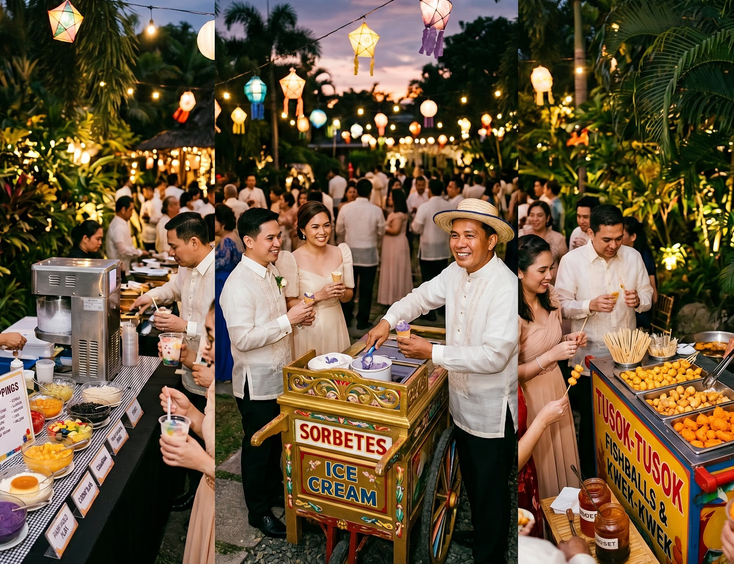
Halo-halo and sorbetes. Two Filipino frozen desserts side by side. Guests who want something quick grab a sorbetes cone. Guests who want to build their own bowl hit the halo-halo station. The two stations complement each other without competing on format or flavor. Read our guide to sorbetes at weddings and why dirty ice cream carts are a Filipino reception staple.
Halo-halo and coffee. A cold dessert beside a hot drink station. Guests alternate between a bowl of halo-halo and a cup of espresso or barako coffee. This pairing suits evening receptions where the temperature drops and guests want both options. See our post on coffee and barista carts for Filipino weddings.
Halo-halo and street food. Set the halo-halo station across from a tusok-tusok or barbecue cart. Guests eat something savory, then walk over for something cold and sweet. The contrast in flavor and temperature keeps foot traffic circulating between stations. Check out our post on taho, tempura, and kwek-kwek carts for weddings.
Questions to Ask Your Halo-Halo Cart Supplier
Run through this list before booking:
- How many toppings are included in the base package?
- Can you add custom or modern toppings, and what is the cost per addition?
- Does the package include the ice shaving machine?
- Do you provide bowls, cups, spoons, and napkins?
- How many attendants come with the package?
- How long does the station operate?
- Do you handle setup, replenishment, and cleanup?
- Is there a travel fee for venues outside Metro Manila?
- Can the station run outdoors in direct heat, or does it need shade or cover?
Clear answers to these questions prevent day-of surprises and keep your dessert station running from the first bowl to the last.
Book Your Halo-Halo Cart Supplier
Browse our wedding food cart and grazing table supplier directory to find halo-halo station vendors across the Philippines. Compare packages, check topping selections, and connect with suppliers who bring the equipment, the ingredients, and the staff so you focus on enjoying the reception instead of refilling the ube halaya.
Still Searching for a Right Match?
Find Your Perfect Wedding Supplier Today!
Discover trusted wedding suppliers across the Philippines in our complete directory. Compare services and connect with the ones that fit your dream celebration.
Browse Wedding SuppliersFeatured Blog Posts







Filipino Wedding Entourage - Roles, Order of March, and Modern Etiquette
6 mins readCivil Weddings in the Philippines - Requirements, Costs, and Step-by-Step Process
9 mins readCivil Wedding Requirements in the Philippines - Complete Checklist
6 mins readCost of Wedding in the Philippines - 5 Essential Things You Need to Know
7 mins readPrincipal Sponsors (Ninong/Ninang) - How Many, How to Ask, What They Really Do
4 mins readVeil, Cord, Candle & Coins - Roles, Options, and When They Happen
4 mins readEntourage for a Traditional Pinoy Wedding - Complete Roles and Guide
6 mins readComplete List of Civil Wedding Requirements in the Philippines
8 mins readHow to Choose Wedding Ninongs and Ninangs - Ask Yourself These 3 Important Questions
5 mins read