


Filipino Pregnancy and Newborn Traditions Every New Mom Should Know
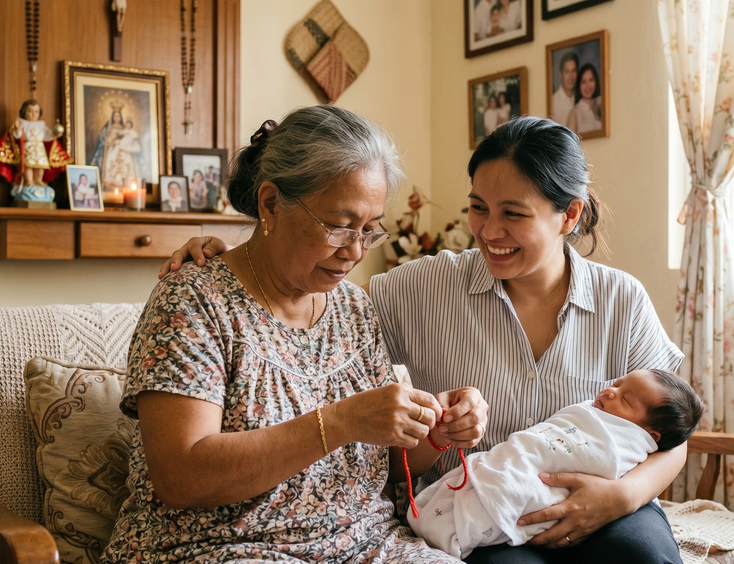
Tell a Filipino family you're pregnant, and the advice arrives before the congratulations. Don't cut your hair. Crave mangoes and the baby gets dimples. Keep a safety pin on your clothes. Some of these beliefs go back generations, some make you laugh, and a few carry real sense beneath the superstition. Knowing them helps you nod along with lola while you make your own choices. This guide sits within preparing for motherhood in the Philippines.
Pregnancy Beliefs
The buntis pamahiin start early, often at the first hint of a bump:
- Paglilihi shapes the baby, the elders say, so a mom who craves a food and resists it risks a drooling child
- A pregnant woman who eats twin bananas will have twins
- Sitting on the stairs or a doorway brings a hard labor
- A haircut during pregnancy weakens the baby
- An eclipse leaves a birthmark unless you tuck a safety pin or black cloth at your waist
Most of these carry no medical weight, and your OB will tell you the same. Enjoy the fun ones, and bring any real worry to your checkups, where your prenatal care checklist guides the real decisions.
Follow the customs that bring you comfort. Run the ones about food, medicine, or activity past your OB before you change a thing.
Protecting the Newborn
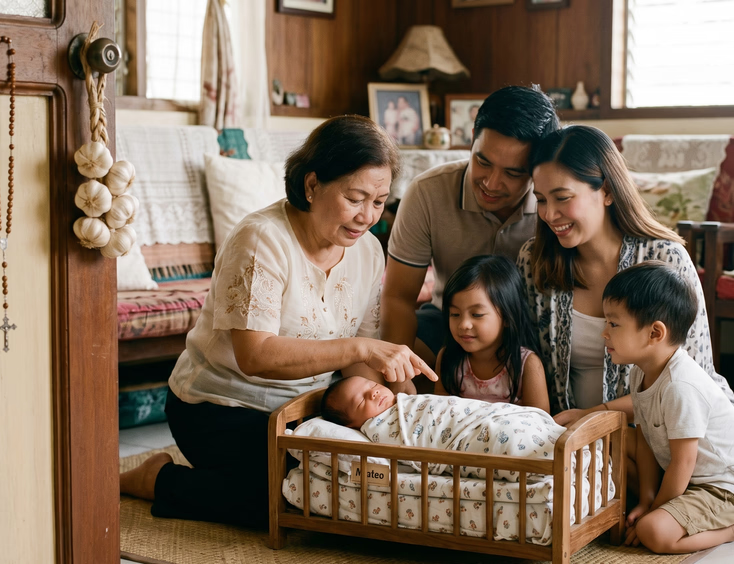
Once the baby arrives, families turn to customs meant to keep harm away:
- Usog, the idea that a stranger's strong energy makes a baby sick, so visitors say "pwera usog" and dab a little saliva on the baby's forehead
- A red string or bracelet on the wrist to fend off bad luck
- Garlic, salt, or a rosary near the door to keep the aswang away
- No trimming the baby's hair or nails too early, to protect strength
- Holding back on compliments, since praise might invite usog
Greet these with a smile. They come from love and a wish to keep your baby safe.
Birth and Naming Customs
Filipino families mark the birth itself with small rituals:
- Burying the placenta with a pen and a book, a wish for a smart child
- A first bath timed to bring luck or calm
- Naming the baby after a saint, a grandparent, or a blend of both parents' names
- Adding "Junior" or "the third" for the boys who carry a father's name
Each one ties your baby to the family line and the faith behind it.
Religious Milestones
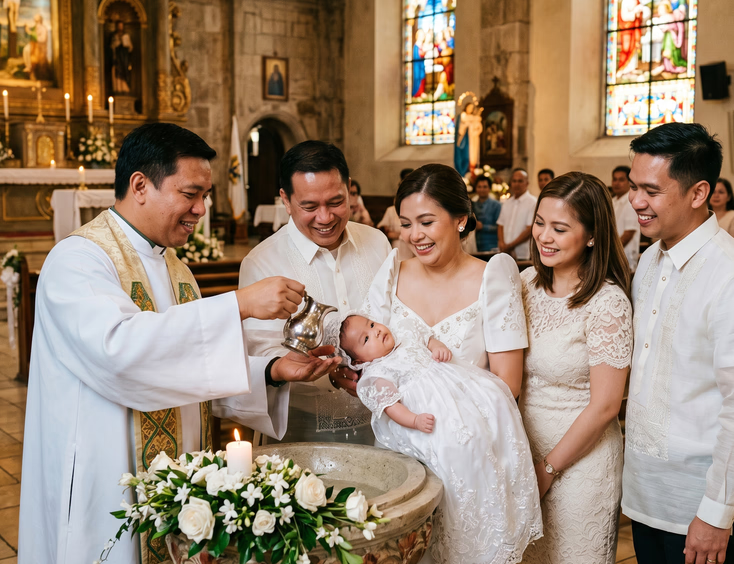
Faith runs through Filipino childhood, and the binyag leads the way:
- The christening welcomes the baby into the church, often within the first months
- Ninong and ninang take on a lifelong role as guides and gift-givers
- Families pick many godparents, building a wide circle of support
- Pagmamano teaches the child to honor elders with a hand to the forehead
The binyag carries real planning, from church requirements to the celebration after. Walk through it in this guide to planning a christening in the Philippines.
Postpartum and Confinement Customs
The care turns to the mother after birth, and families follow old practice:
- A confinement period that keeps mom and baby home for weeks
- Hilot massage to ease the body back into place
- Bigkis, a cloth bound around the belly
- Warm soups with malunggay to build milk and strength
- A long ban on bathing, one of the myths worth retiring
Some of this comforts and heals. Some of it, like avoiding water for weeks, runs against good hygiene. Sort the helpful from the outdated alongside your postpartum recovery tips, and clear the rest with your OB.
The no-bathing rule comes from a time before clean running water. With a warm shower and a clean home, you can wash and heal at the same time.
Old Customs Meet New Celebrations
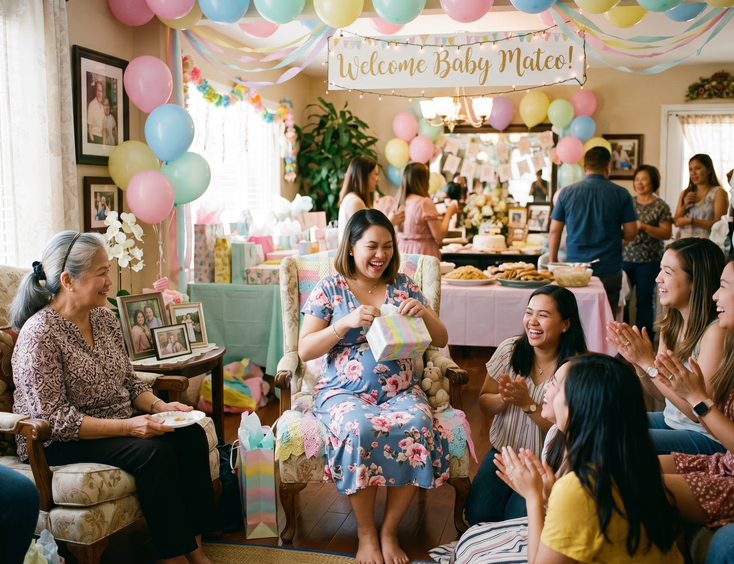
Filipino families fold newer traditions into the old:
- A baby shower, a recent import, gathers friends to shower mom with gifts and games
- A gender reveal turns the ultrasound result into a party
- A maternity shoot captures the bump before the baby comes
The baby shower in particular has grown popular in Philippine homes. Plan yours with this step-by-step baby shower guide.
Traditions hold a family together across generations, even the ones that don't hold up to science. Take the customs that warm your heart, set aside the ones that don't sit right, and let your elders feel heard along the way. Your baby grows up inside a culture and a crowd of people who love them. Keep what matters, and pass it on.
Still Searching for a Right Match?
Find Your Perfect Wedding Supplier Today!
Discover trusted wedding suppliers across the Philippines in our complete directory. Compare services and connect with the ones that fit your dream celebration.
Browse Wedding SuppliersFeatured Blog Posts

Filipino Wedding Entourage - Roles, Order of March, and Modern Etiquette
6 mins readCivil Weddings in the Philippines - Requirements, Costs, and Step-by-Step Process
9 mins readCivil Wedding Requirements in the Philippines - Complete Checklist
6 mins readCost of Wedding in the Philippines - 5 Essential Things You Need to Know
7 mins readPrincipal Sponsors (Ninong/Ninang) - How Many, How to Ask, What They Really Do
4 mins readVeil, Cord, Candle & Coins - Roles, Options, and When They Happen
4 mins readEntourage for a Traditional Pinoy Wedding - Complete Roles and Guide
6 mins readComplete List of Civil Wedding Requirements in the Philippines
8 mins readHow to Choose Wedding Ninongs and Ninangs - Ask Yourself These 3 Important Questions
5 mins read