

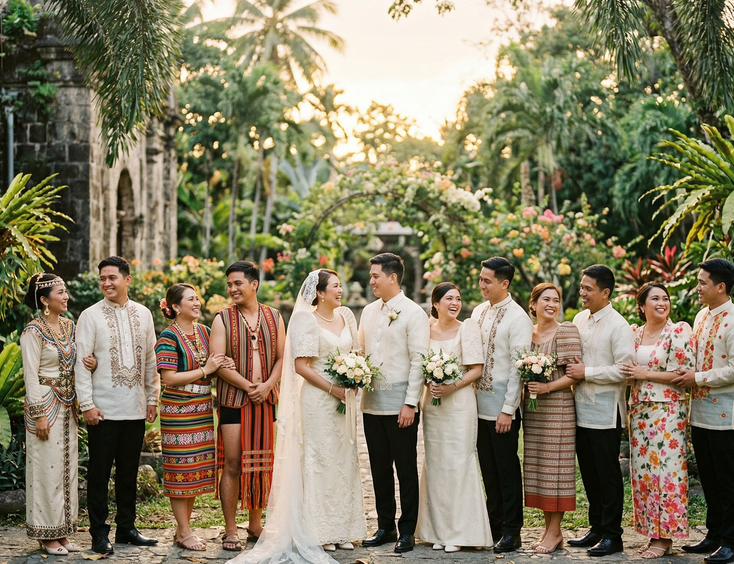
Filipiniana Bridesmaid Gowns: A Modern Take on a Timeless Look
Filipiniana bridesmaid gowns are having a moment that goes beyond trend cycles. More Filipino brides are choosing them not out of nostalgia but because they photograph beautifully, suit the climate, and give the entourage a visual identity that imported styles cannot replicate.
What Makes a Gown Filipiniana
Filipiniana is not a single silhouette. It is a set of design elements rooted in pre-colonial and Spanish colonial Filipino dress that designers have been reinterpreting for decades.
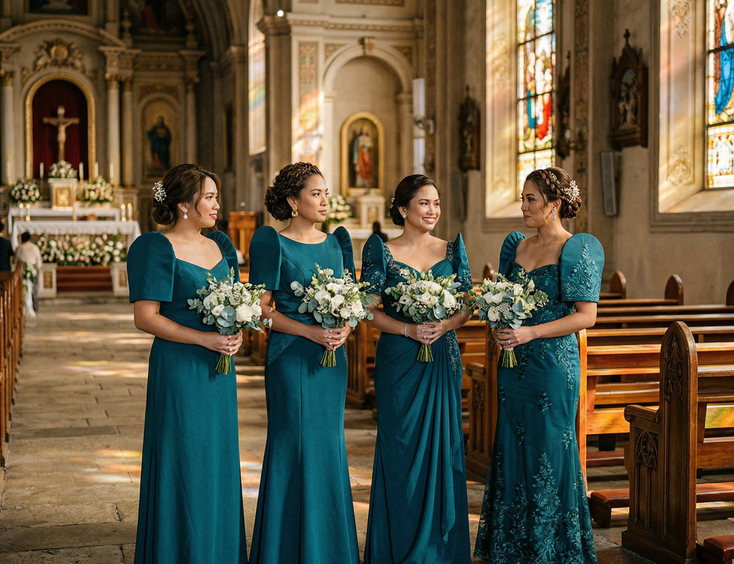
The most recognizable element is the butterfly sleeve, the stiffened, winged sleeve that frames the shoulder. Beyond that, Filipiniana borrows from the baro't saya, the traditional two-piece of blouse and skirt, and from the terno, the formal one-piece gown with integrated butterfly sleeves that has become a fixture at state occasions and formal weddings.
For bridesmaids, modern Filipiniana gowns keep one or two of these elements and build the rest of the gown around contemporary cuts. A column gown with a subtle butterfly sleeve reads as Filipiniana without looking costumed. A chiffon skirt paired with a modern baro top does the same. The cultural reference is present but the gown still flatters and moves.
Why Brides Are Choosing This for Their Entourage
A bridal entourage in Filipiniana makes a visual statement that a Western-style gown cannot. In a Catholic church with carved wooden details, stone walls, and afternoon light coming through stained glass, a group of bridesmaids in coordinated Filipiniana reads as intentional and rooted in place. The setting and the clothing work together.
There is also the practical argument. Filipiniana fabrics, particularly piña, jusi, and organza with local embroidery, handle Philippine heat better than heavy Western fabrics. A bridesmaid standing outside for post-ceremony photos in piña breathes. One in thick duchess satin does not.
Filipino brides rethinking the entourage as a whole often find that Filipiniana is the choice that makes the most visual and cultural sense for a ceremony held in the Philippines. How Filipino brides are reinventing the traditional bridal entourage covers how that shift is playing out across different wedding styles.
The Fabrics That Work Best
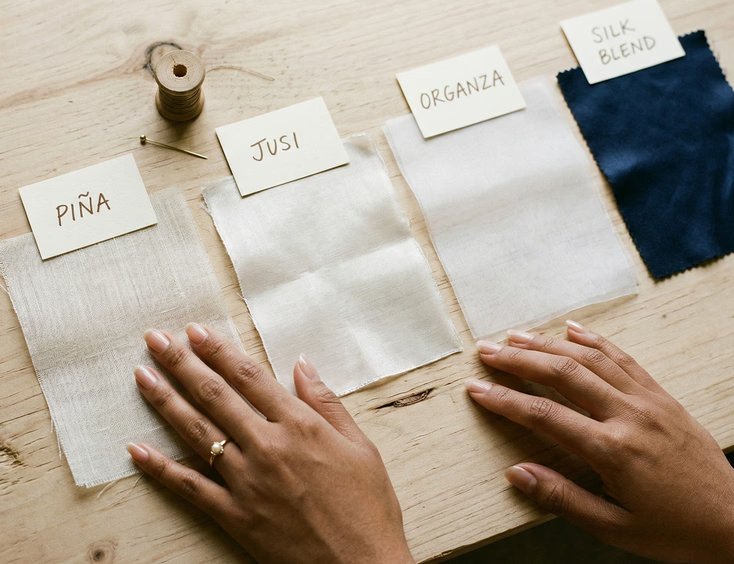
Piña is the most distinctly Filipino option. Woven from pineapple fiber, it has a natural sheen and a slightly stiff drape that holds the butterfly sleeve well. It is also the most expensive and the most delicate. For a once-worn bridesmaid gown, piña is a significant ask unless you are shouldering the cost.
Jusi is more accessible. It is lighter than piña, drapes more softly, and photographs with a quiet luster. It works for both formal church weddings and garden receptions.
Organza is the most flexible. It is widely available, affordable in a range of qualities, and takes embroidery well. Most ready-to-wear Filipiniana bridesmaid options use organza or a organza blend.
Silk and silk blends are increasingly common in modern Filipiniana. A designer might use silk for the body of the gown and reserve jusi or piña for the sleeves. This brings down cost without losing the traditional element.
If your bridesmaids are sourcing independently or working with local dressmakers, fabric consistency matters more than you expect. Two bridesmaids ordering jusi from different suppliers will end up with gowns that do not match in photographs. Distribute a physical swatch or source the fabric together before anyone goes to a dressmaker.
Modern Silhouettes That Work With Filipiniana Elements
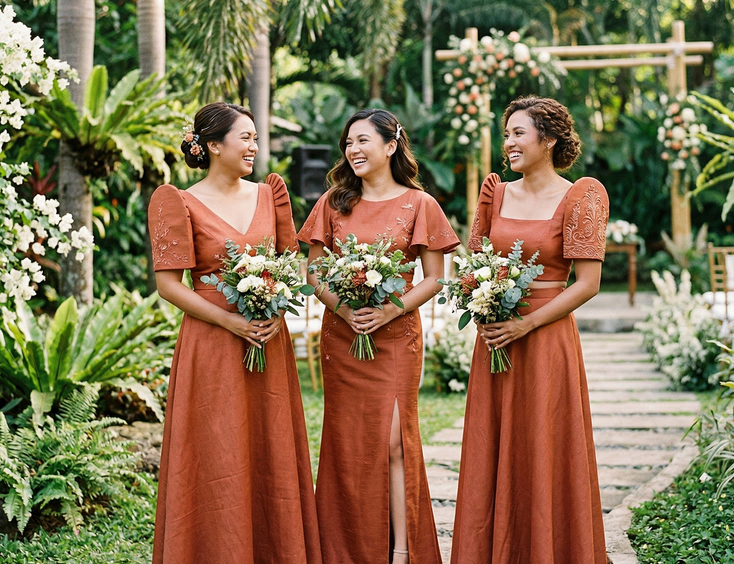
The butterfly sleeve is the most recognizable Filipiniana marker, and it is also the one that intimidates bridesmaids the most. A full traditional butterfly sleeve is structured, wide, and commands attention. A modern adaptation softens the wing, reduces the width, or integrates it into a flutter sleeve that sits closer to the shoulder. The cultural reference remains. The silhouette becomes wearable.
For the body of the gown, contemporary Filipiniana bridesmaid gowns tend toward:
A-line cuts with a fitted bodice and a gently flared skirt. This flatters most body types and photographs cleanly in a group.
Column or sheath silhouettes with a slit. These read as formal and modern and work well for evening receptions.
Crop top and skirt sets that interpret the baro't saya in a contemporary way. The top can have Filipiniana sleeves while the skirt is a clean, modern cut. This also gives bridesmaids a top they can realistically wear again.
Wrap-style gowns with Filipiniana sleeve details. The wrap cut adjusts to different body shapes, which makes it a practical choice for a large entourage.
If you are planning a mix and match entourage and want to keep a Filipiniana thread through varied silhouettes, mix and match bridesmaid gowns explains how to anchor the look through fabric or a single design element while letting silhouettes vary.
Custom Made Versus Ready to Wear
Ready-to-wear Filipiniana bridesmaid gowns exist, but the range is narrower than for Western-style gowns. Most ready-to-wear options are organza, come in limited colors, and run in standard sizes. For a small entourage with similar body types, this works. For a group of six with varied sizes and heights, the fitting challenges compound.
Custom made gives you control over fabric, color, and silhouette, and a good dressmaker can adjust the butterfly sleeve to suit each bridesmaid's shoulder width. The trade-off is lead time. Filipiniana custom gowns from reputable designers book out months in advance, particularly around peak wedding season from December to February and again in May.
The decision between custom and ready-to-wear depends on your timeline, your budget, and how consistent you need the gowns to look in photos. Ready to wear versus custom made bridesmaid gowns in the Philippines walks through the full comparison so you can decide which route fits your situation.
You can browse Filipiniana and formal gown suppliers to compare designers who offer both options across different price points.
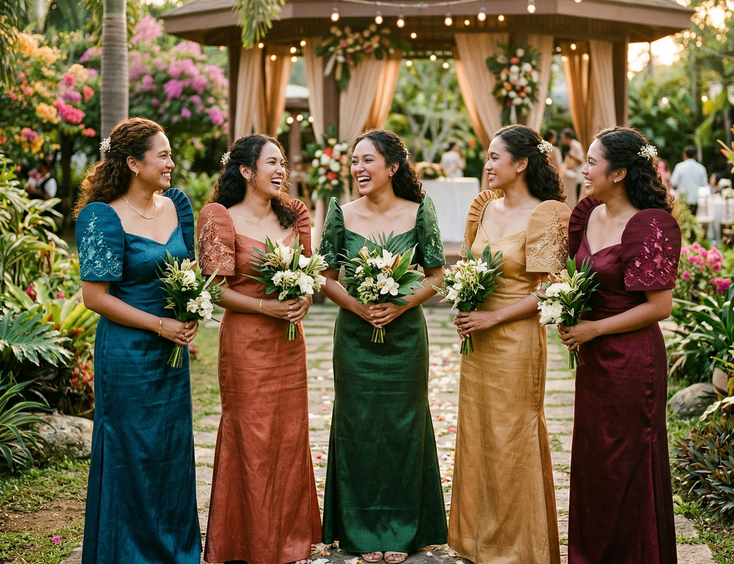
Colors That Photograph Well in Filipiniana
Filipiniana fabrics carry color differently than Western fabrics. Piña and jusi have a natural warmth that shifts cool colors slightly. A sage green in jusi photographs differently than sage green in chiffon.
Earth tones and jewel tones tend to work best. Terracotta, gold, deep teal, forest green, and warm ivory all complement Filipino skin tones and read well on the natural sheen of traditional fabrics. Pastel colors work in organza but can wash out in piña.
Avoid choosing your color from a digital swatch. Request a physical fabric sample in your chosen color before committing the entire entourage to it.
What to Tell Your Bridesmaids Before They Commit
Filipiniana gowns require more care than polyester bridesmaid gowns. Piña wrinkles and should be stored flat or rolled, not hung. Jusi needs dry cleaning. The butterfly sleeve needs to be packed carefully for travel.
If any of your bridesmaids are traveling from abroad or from another island for the wedding, give them specific instructions on transporting the gown. A collapsed butterfly sleeve on the morning of your wedding is a fixable problem but an avoidable one.
Also brief them on the silhouette early. A bridesmaid who has never worn a butterfly sleeve before will feel self-conscious in it if she tries it for the first time on the wedding day. Encourage a full fitting with the complete gown, sleeves included, before the event.
The Bigger Picture
Filipiniana bridesmaid gowns work because they are specific to this place. They connect the entourage to the culture of the wedding rather than borrowing a generic aesthetic from elsewhere. That specificity is what makes them photograph well and feel right.
For everything else about building and managing your entourage, the complete guide to bridesmaids in a Filipino wedding covers the full scope from choosing your bridesmaids to dressing them to handling the day itself.
Still Searching for a Right Match?
Find Your Perfect Wedding Supplier Today!
Discover trusted wedding suppliers across the Philippines in our complete directory. Compare services and connect with the ones that fit your dream celebration.
Browse Wedding SuppliersFeatured Posts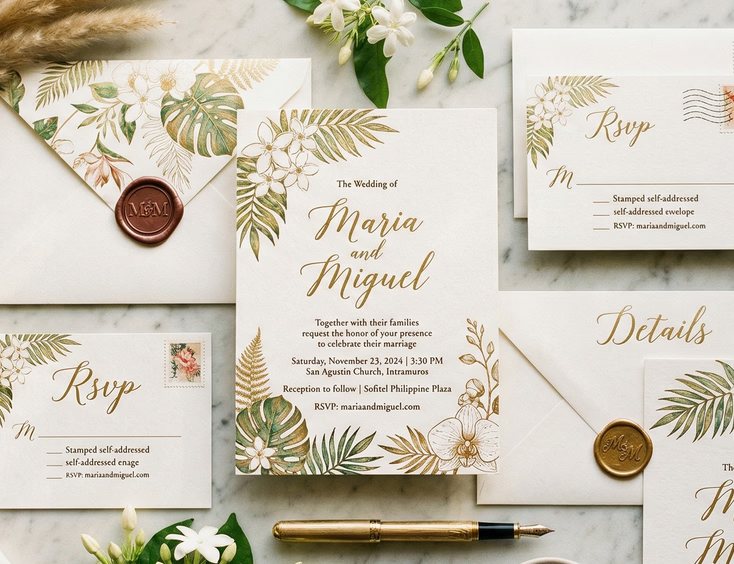
The Complete Guide to Filipino Wedding Invitations: From Traditional Customs to Modern Trends
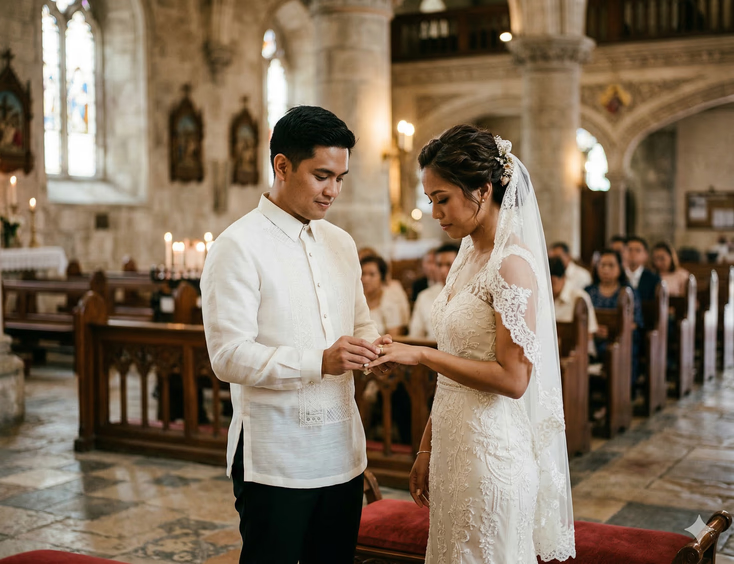
12 mins readThe Complete Filipino Couple's Guide to Wedding Rings & Bands in the Philippines: Traditions, Styles, Budgets & Where to Buy
22 mins read