


Destination Wedding Venues in the Philippines: From Palawan to Siargao
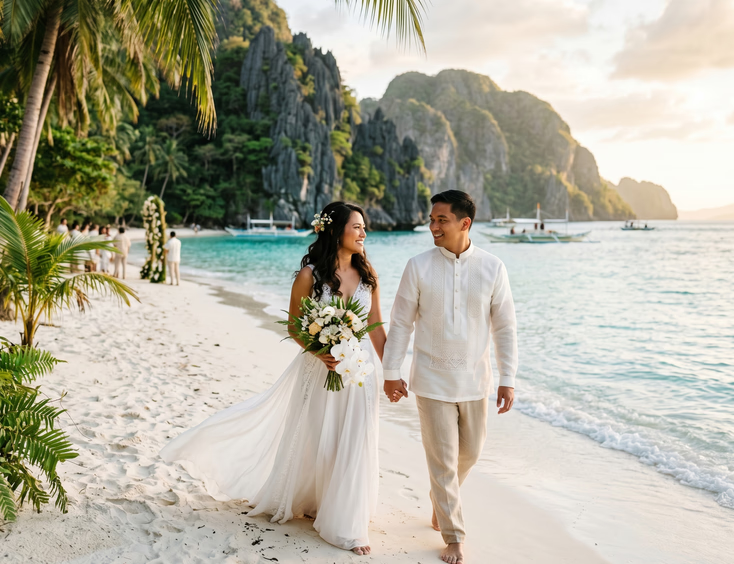
Limestone cliffs rising out of turquoise water. A barefoot ceremony on a private sandbar. A reception under string lights with the surf 20 meters away. The Philippines holds 7,641 islands, and a growing number of Filipino couples skip the Metro Manila ballroom for a destination wedding on one of them.
What Counts as a Destination Wedding in the Philippines
A destination wedding takes you and your guests away from your home base. For most Filipino couples, the home base is Metro Manila, Cebu City, or Davao. The destination is somewhere that requires a flight or a long drive, plus overnight stays for the wedding party and guests.
The category covers a few setups:
Island resort weddings. El Nido, Coron, Boracay, Siargao, Bohol, and Mactan. Most resorts offer wedding packages with ceremony venues, reception areas, and guest accommodations bundled together.
Private island and sandbar ceremonies. Couples charter Bantayan Island, Calaguas, Caramoan, or smaller private islands in Palawan for ceremonies. Logistics run heavier but the exclusivity is unmatched.
Beachfront villa weddings. Rented villas in Siargao, Palawan, and La Union host smaller destination weddings with fewer than 50 guests.
Highland and mountain destination weddings. Tagaytay, Baguio, Banaue, and Sagada offer cool-weather alternatives to beach destinations. Less common but rising in popularity.
Heritage destination weddings. Vigan, Bohol, and Iloilo combine destination travel with Spanish colonial architecture. Couples pair heritage church ceremonies with destination receptions.
The defining trait is travel. You and your guests treat the wedding as a trip, not a day out.
Why Couples Pick Destination Weddings
You trade the standard ballroom for a setting that doubles as the photo backdrop. The ocean, the cliffs, the rice terraces, or the limestone karsts do the work no styling team can replicate.
The guest list filters itself. A 300-person Manila wedding shrinks to 60 to 100 when guests need a flight and two nights of hotel stay. The people who travel are the people who matter most.
Destination weddings stretch into multi-day events. Welcome dinners, beach days, group excursions, and farewell brunches turn a one-day wedding into a three-day shared experience. Your guests come for the wedding and stay for the trip.
For couples with family across the Philippines and abroad, a destination venue serves as neutral ground. Relatives flying in from the U.S., Canada, the UAE, or Singapore land at a vacation spot rather than a city ballroom.
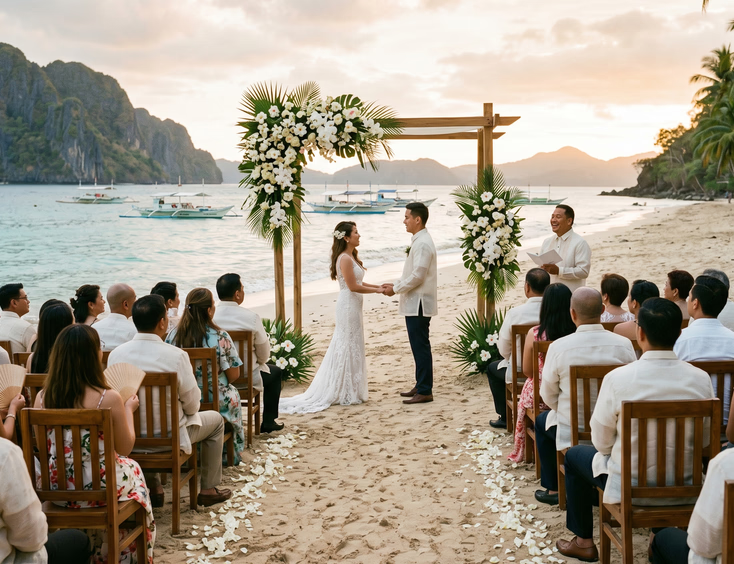
On the Day: What to Expect
Destination weddings move on island time, which means logistics need stronger planning, not weaker.
Travel day buffer. Most couples build a full day between guest arrival and the wedding. Flights to Palawan, Siargao, and Boracay get delayed often. A direct same-day timeline collapses if a flight pushes by four hours.
Local supplier coordination. Some destinations have full local supplier pools. Boracay, Mactan, and El Nido carry florists, photographers, and planners on the ground. Siargao, Coron, and Palawan mainland often require flying in suppliers from Manila or Cebu, which adds cost and logistics.
Resort-led timelines. If you book a resort wedding, the resort coordinator runs the show. Their templates work but lock you into their suppliers, their menu, and their layout. Ask which elements you can customize before signing.
Weather as the variable. The Philippines has two seasons across most regions: dry and wet. Boracay, Palawan, and Cebu run dry from December to May. Siargao runs opposite, drier from March to October. Pick your dates around the destination's dry season, not Manila's.
Guest care matters more. Destination guests spent money to attend. Build comfort into the day. Provide welcome bags with sunscreen, water, and a printed itinerary. Arrange airport pickups. Pre-book group transport for the ceremony.
Permits and paperwork. For Catholic weddings in destination parishes, you need parish clearance from your home parish, a canonical interview, and pre-Cana certificates. Civil weddings still require a marriage license issued by the local civil registrar of the destination, with a 10-day posting period. Plan paperwork three to six months ahead.
Preparation Checklist
Lock the destination first. The location drives everything: budget, supplier list, guest count, dry season, and timeline. Pick the destination before the date, not the other way around.
Visit before booking. Photos and Instagram reels mislead. Walk the resort, swim the beach, and check the wind direction at sunset. A site visit costs one weekend and saves you from booking a venue that looks nothing like its marketing.
Build a guest budget guide. Send guests an estimated cost breakdown six to nine months ahead. Include flights, hotels, meals, and incidentals. Some couples block hotel rooms at group rates and pass savings to guests.
Book travel and accommodation early. Resort rooms in Boracay, Palawan, and Siargao fill up six to twelve months out, especially during peak season. Block rooms for the wedding party and provide booking links for guests.
Hire a planner who knows the destination. A Manila-based planner without El Nido experience will struggle with boat schedules, local permits, and supplier networks. Hire someone who has worked the specific destination at least three times.
Plan for transport on the day. Many destination venues sit 30 to 60 minutes from guest hotels, often by van or boat. Build transport schedules with extra buffers. Boats cancel for weather. Vans get stuck in single-lane island traffic.
Confirm legal requirements early. Filipino couples marrying in the Philippines need a marriage license from the civil registrar of where the ceremony happens. Foreign couples and Filipinos based abroad may need additional documents. Ask your planner for the destination-specific list.
Buy travel insurance. Typhoons hit. Flights cancel. Resort policies vary. Travel insurance for the couple and key suppliers protects against losses.
Regional Picks Worth Considering
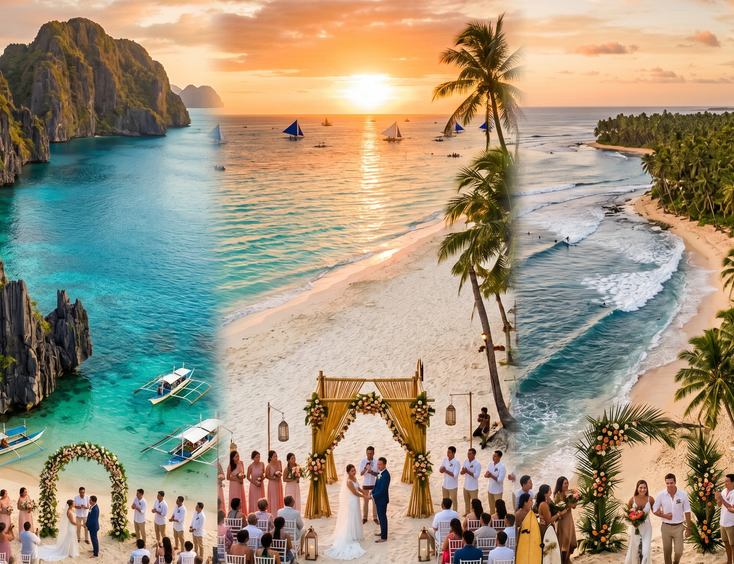
Palawan. El Nido and Coron lead the destination wedding scene. Limestone cliffs, lagoons, and clear water set the look. Resorts like El Nido Resorts, Two Seasons Coron, and Club Paradise run full wedding packages. Dry season runs December to May.
Boracay. The most established destination wedding location in the Philippines. White Beach for sunset ceremonies, Shangri-La and Crimson Resort for full resort weddings, and Diniwid Beach for smaller setups. Dry season runs November to May.
Siargao. The newer entrant. Surf town vibes, palm-lined beaches, and a growing supplier pool. General Luna and Cloud 9 host most weddings. Dry season runs March to October, opposite the Manila pattern.
Cebu and Mactan. Resort-heavy with strong supplier networks. Shangri-La Mactan, Plantation Bay, and Crimson Resort run regular destination weddings. Easier flight access than Palawan or Siargao.
Bohol. Panglao Island for beach weddings, Loboc River for unique ceremony settings, and Bohol's heritage churches for traditional pairings. Henann, Amorita, and Bluewater Panglao lead the resort options.
Batangas and La Union. Closer destinations within driving distance of Metro Manila. Anilao, Nasugbu, and San Juan offer beach venues without the flight. Suited for smaller destination weddings under 80 guests.
Highland destinations. Tagaytay for half-day trips, Baguio for cool-weather formal weddings, and Banaue or Sagada for adventurous couples wanting rice terraces or pine forests as backdrops.
Each destination carries its own seasonality, supplier pool, and travel logistics. A Siargao wedding plans differently from a Boracay one.
Common Mistakes to Avoid
Picking the destination based on personal travel memories alone. The beach where you got engaged may not work for 80 guests in formalwear. Test the destination as a wedding venue, not as a vacation spot.
Underestimating travel costs for guests. Filipino couples sometimes assume guests will absorb the cost of a Palawan flight and three nights at a resort. Many will not. Send the cost guide early so guests can decide before save-the-dates lock in.
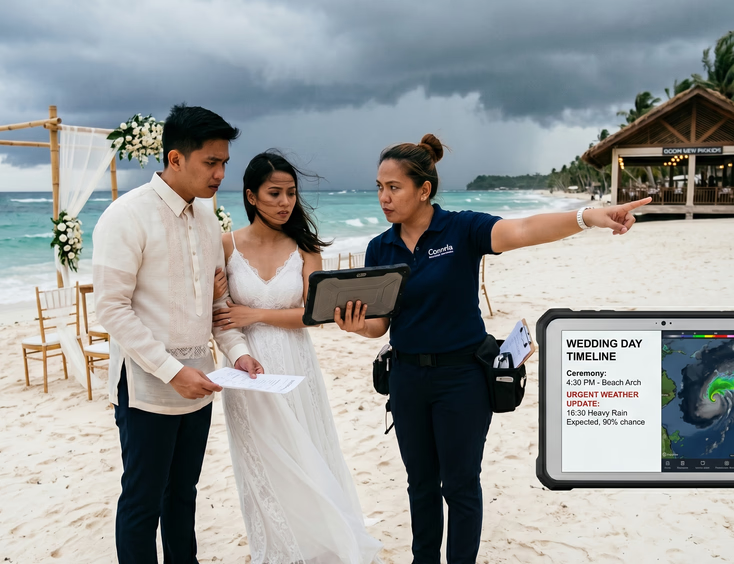
Ignoring the wet season risk. A June wedding in Boracay, a September wedding in El Nido, or a December wedding in Siargao runs straight into the rainy season. Check the destination-specific climate, not the national average.
Skipping local permits. Some islands require additional environmental fees, beach use permits, or barangay clearances for events. A destination-experienced planner handles this. A first-timer misses it and gets shut down on the day.
Booking too many activities. Couples sometimes pack three days with welcome dinners, group island hopping, sunset cruises, and farewell brunches. Guests get tired. Pick two or three shared activities and leave the rest as free time.
Pairing the Right Suppliers
Destination weddings need vendors who travel well and adapt to island conditions. A photographer who has never shot on a boat will struggle with the sandbar ceremony. A florist who has never worked Palawan will not know which blooms survive a four-hour boat ride from the airport.
Browse vetted ceremony venue suppliers with experience in destination weddings across the Philippines. Many list the islands and resorts they have worked with and can recommend supplier pairings.
For broader planning, the pillar guide on choosing a wedding ceremony venue in the Philippines compares venue types, capacities, and budget brackets across every category.
Two related reads pair well with this one. Couples drawn to coastal settings should read the dedicated guide to beach wedding venues in the Philippines, which covers tides, sun direction, and beach permits in detail. Couples weighing full-service convenience should read the breakdown on hotel and resort wedding ceremony venues, which compares package inclusions across resort brands.
Final Thoughts
A destination wedding rewards couples who treat the day as a trip, not a transaction. You ask guests for more time, more travel, and more spend. In return, you give them an experience that outlasts a one-day reception.
Pick a destination that matches your season, your budget, and your guest list reality. Hire suppliers who know the island. Plan around weather and travel buffers. Done well, a destination wedding in the Philippines turns the country itself into the venue, and the trip becomes the memory your guests talk about for years.
Still Searching for a Right Match?
Find Your Perfect Wedding Supplier Today!
Discover trusted wedding suppliers across the Philippines in our complete directory. Compare services and connect with the ones that fit your dream celebration.
Browse Wedding SuppliersFeatured Blog Posts

Filipino Wedding Entourage - Roles, Order of March, and Modern Etiquette
6 mins readCivil Weddings in the Philippines - Requirements, Costs, and Step-by-Step Process
9 mins readCivil Wedding Requirements in the Philippines - Complete Checklist
6 mins readCost of Wedding in the Philippines - 5 Essential Things You Need to Know
7 mins readPrincipal Sponsors (Ninong/Ninang) - How Many, How to Ask, What They Really Do
4 mins readVeil, Cord, Candle & Coins - Roles, Options, and When They Happen
4 mins readEntourage for a Traditional Pinoy Wedding - Complete Roles and Guide
6 mins readComplete List of Civil Wedding Requirements in the Philippines
8 mins readHow to Choose Wedding Ninongs and Ninangs - Ask Yourself These 3 Important Questions
5 mins read