

Chinoy Wedding Meets Filipino Catholic Ceremony: How to Blend Both Beautifully
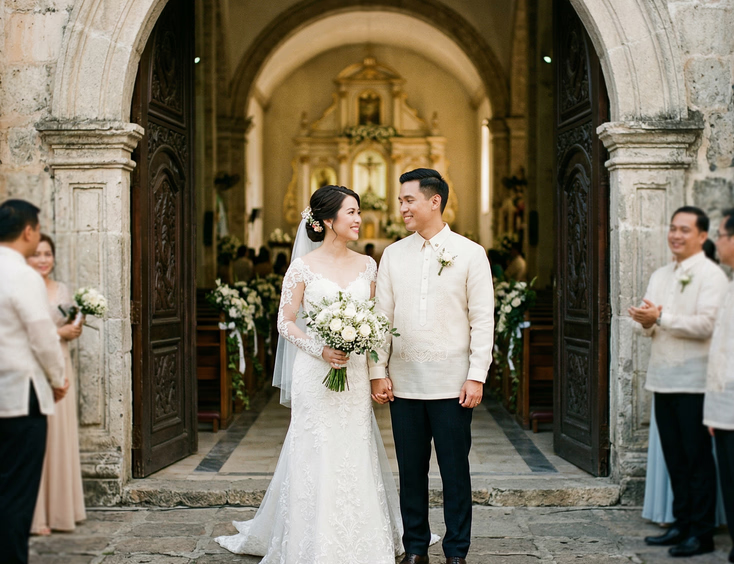
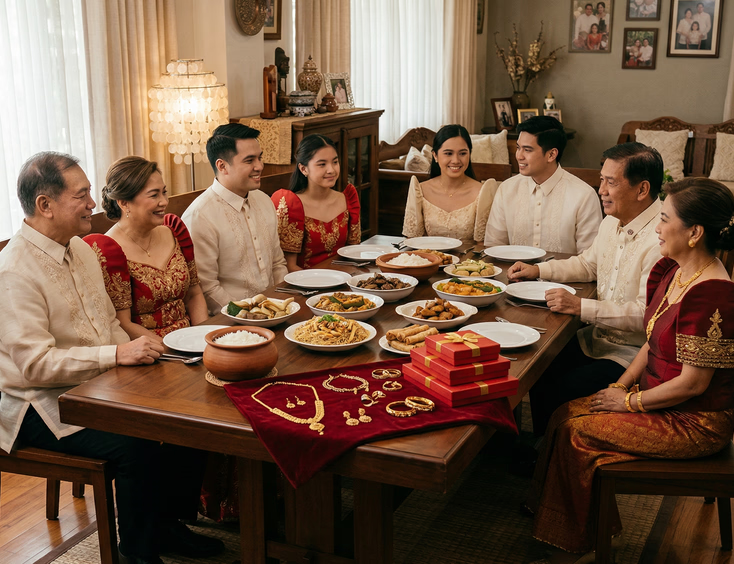
Most Chinoy couples in the Philippines are Catholic. That means their wedding day carries two distinct ceremonies: a Mass in a church and a banquet reception rooted in Chinese custom. The two do not conflict. But they do require planning to feel like one celebration rather than two separate events stitched together.
What Each Ceremony Brings to the Day
The Catholic Mass sets the legal and spiritual foundation. It is where vows are exchanged, where the couple is recognized by the Church, and where the rituals of coins, veil, and cord mark the union in front of the congregation. For many Chinoy families, the Mass is non-negotiable, even when the parents themselves hold stronger ties to Chinese folk religion or Buddhism.
The Chinoy reception carries the cultural weight. The tea ceremony honors both families. The banquet feeds the community and signals the family's hospitality. The ang pao system funds the celebration and ties the guest list to the occasion in a concrete way. These are not decorative add-ons. They are the structure of the event.
The couple's job is to carry a single thread through both.
Start with the Visual Language
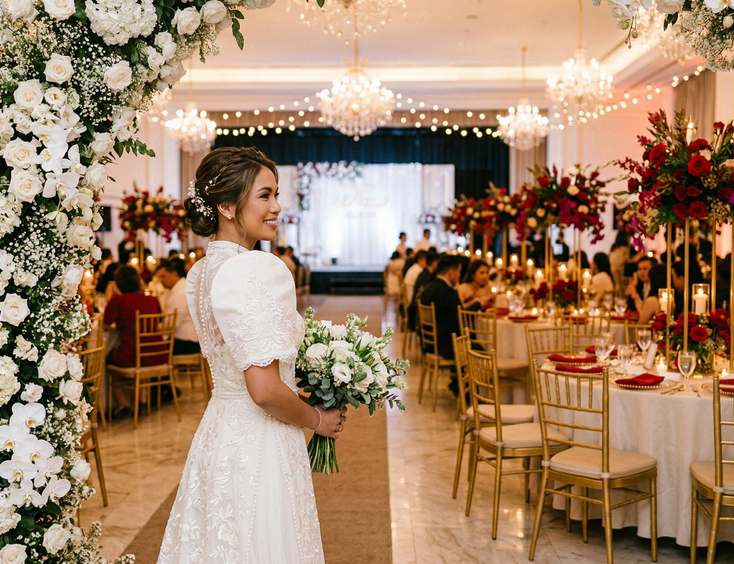
Couples who blend both ceremonies well usually start with a unified visual identity. They pick a color palette that works across the church setting and the banquet hall and hold it through both.
Red and gold read as Chinoy. Ivory and blush read as bridal. The couples who pull both together without friction pick a palette that can absorb both, then use specific accents to signal which tradition they are in. A church aisle lined with white florals transitions into a banquet hall anchored by red centerpieces and gold table settings. The shift is visible. It still feels like one wedding.
The bride's outfit is a clear carrier of this logic. Many Chinoy brides wear their wedding gown to the church and change into a qipao for the reception, or for the tea ceremony that precedes the reception program. The two looks mark two different moments in the day without creating a break in the narrative. More on how brides are handling this in Chinoy Bridal Style: How Filipino Chinese Brides Blend the Qipao and the Wedding Gown.
Sequence the Day Deliberately
The typical timeline runs: morning preparations, Catholic Mass in the late morning or early afternoon, cocktail hour, then the banquet reception in the evening. The tea ceremony usually happens in a private room before the reception program begins, or it is folded into the reception program itself.
The sequencing matters because each ceremony has its own emotional register. The Mass is solemn. The tea ceremony is intimate. The banquet is celebratory. Couples who rush the transition between them lose the texture of each moment. Build in buffer time between the church and the reception venue so neither event feels compressed.
If the tea ceremony is happening privately before the program starts, keep it to the immediate family and give it a proper time block, not a squeezed fifteen minutes while guests are finding their tables. If it is part of the reception program, place it early in the evening before the energy of the banquet takes over completely.
Handle the Guest List as One Group
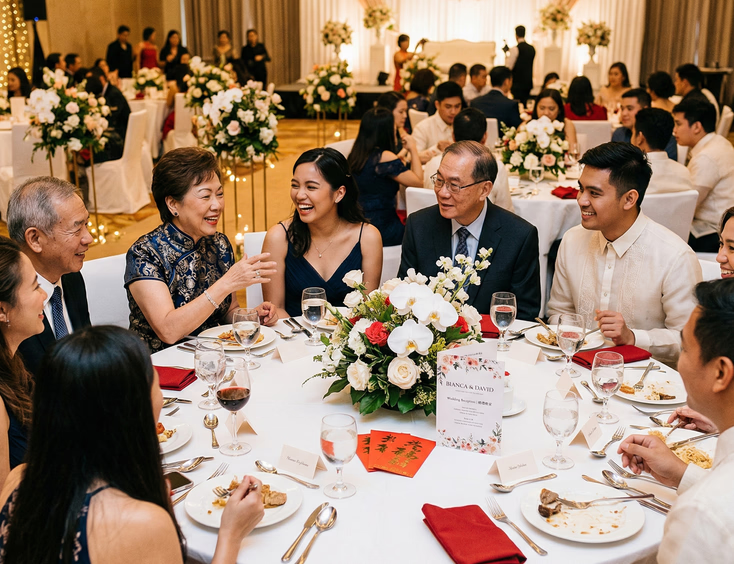
A Chinoy wedding often draws two distinct guest communities: the Filipino Catholic side, which is comfortable with Mass and church customs, and the older Chinese relatives, some of whom may not be Catholic and may be attending a church ceremony for the first time.
The program, the emcee, and the printed materials all carry the job of making both groups feel oriented. A bilingual program in English and Filipino, with a brief note explaining the significance of the tea ceremony for guests unfamiliar with it, removes confusion without making anyone feel like an outsider. An emcee who can move between English and Hokkien keeps the older Chinese relatives engaged through the reception program.
The same principle applies to the church. If the couple knows that a portion of the guest list is not Catholic, they can ask the priest to include a brief explanation of the major rituals, the coins, the veil, the cord, at the start of the Mass. Many priests who are familiar with Chinoy communities in Manila and the provinces are comfortable doing this.
Weave the Symbolism Together
Some couples look for moments to let the two traditions speak to each other directly rather than run in parallel.
One approach is the inclusion of Chinese symbolic elements in the reception program in a way that mirrors the sacramental logic of the Mass. The Mass uses the cord to bind the couple together. The tea ceremony uses the act of serving to mark the couple's entry into each other's families. Both are about joining. A good emcee or coordinator can frame the tea ceremony to the guests in a way that draws that connection explicitly.
Another approach is the table setting. Some couples place a small red envelope or a pair of chopsticks at each seat alongside the standard Catholic prayer card or order of reception. Small gestures that tell the guest: both traditions live here, and you are welcome in both.
Where a Coordinator Earns Their Fee
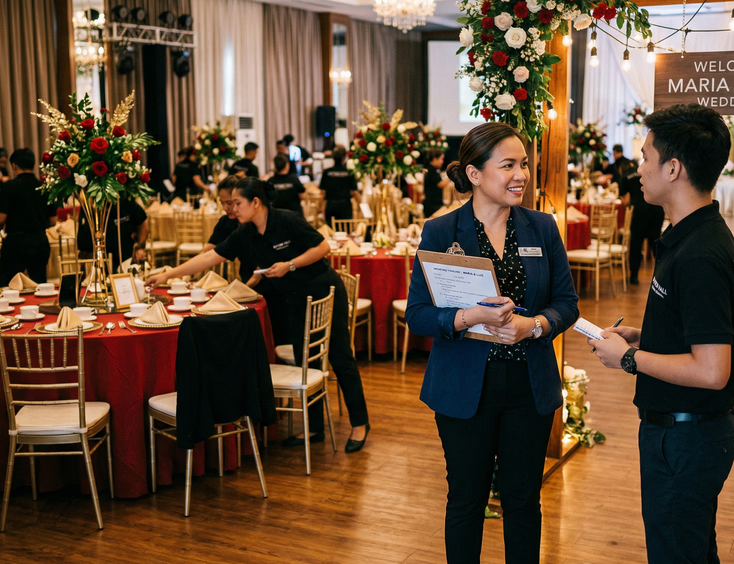
Blending two ceremonies is a logistics problem before it is anything else. The timeline coordination between the church and the reception venue, the management of the tea ceremony setup, the briefing of the emcee, the flow of the banquet program — all of it requires someone who understands what each tradition demands and how they interact on the ground.
A coordinator who has managed Chinoy weddings before knows the pressure points. They know that the tea ceremony needs a specific setup that the banquet hall team has to prepare in advance. They know that the transition from the church to the cocktail hour carries a gap where guests get restless. They know which parts of the reception program to protect and which parts flex. The wedding planners and coordinators in this directory are worth consulting before the logistics conversation happens with the family, not after.
What Couples Get Right When They Plan This Well
The weddings that feel seamless are not the ones that erased the tension between two traditions. They are the ones where the couple decided clearly what each ceremony meant to them and built the day around that clarity.
The Mass is for the Church and for the Filipino Catholic family. The banquet is for the community and for the Chinese family. The tea ceremony is for the couple and for both sets of parents. Each moment has a job. None of them competes with the others when the sequence and the intention are clear.
For a full picture of every element that goes into a Chinoy wedding, read The Complete Guide to a Chinoy Wedding in the Philippines: Traditions, Rituals, and Modern Touches. If you are still working out the overall sequence of the day, What Happens at a Chinoy Wedding: A Step by Step Guide to Every Tradition and Ritual maps the full timeline from start to finish.
Couples who plan both ceremonies with equal attention, and who build the connective tissue between them deliberately, end up with a day that does not feel like a compromise. It feels like the full picture of who they are.
Still Searching for a Right Match?
Find Your Perfect Wedding Supplier Today!
Discover trusted wedding suppliers across the Philippines in our complete directory. Compare services and connect with the ones that fit your dream celebration.
Browse Wedding SuppliersFeatured Posts
Regional Wedding Customs Every Filipino Couple Should Know
23 mins readThe Complete Guide to Filipino Wedding Invitations: From Traditional Customs to Modern Trends
12 mins readThe Complete Filipino Couple's Guide to Wedding Rings & Bands in the Philippines: Traditions, Styles, Budgets & Where to Buy
22 mins read