

Chinoy Wedding Checklist: Everything You Need to Prepare from Engagement to Reception
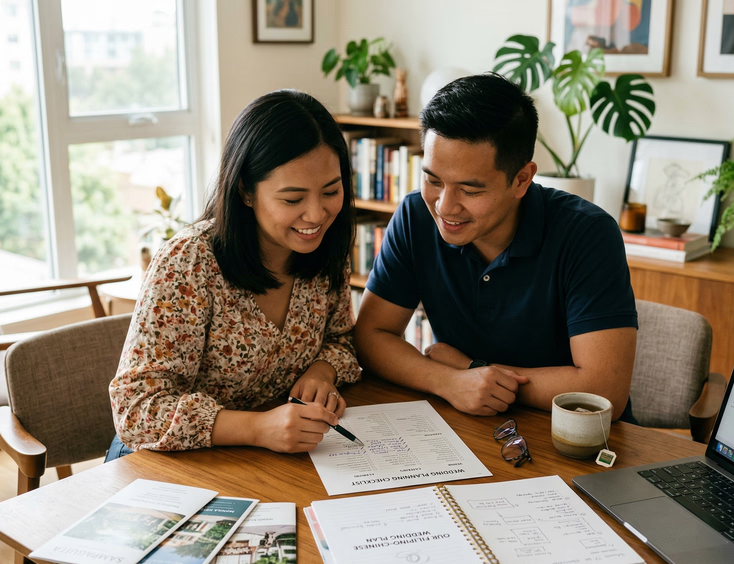
Planning a Chinoy wedding in the Philippines means managing two ceremonies, a multi-course banquet, Chinese customs that require specific preparation, and a family on both sides with expectations. The planning window matters. Couples who start late run out of room on the things that take the longest to secure.
This checklist runs from the engagement to the reception. Use it as a working reference, not a decorative list.
As Soon as You Get Engaged
Set your lucky date before you book anything else. A date chosen from the Chinese almanac shapes everything that follows: venue availability, supplier calendars, and how much negotiating room you have on rates. Couples who pick a venue first and consult the almanac second often find the conflict cuts their options significantly. The full process for selecting a date is in How to Choose a Lucky Wedding Date for a Chinoy Wedding Using the Chinese Almanac.
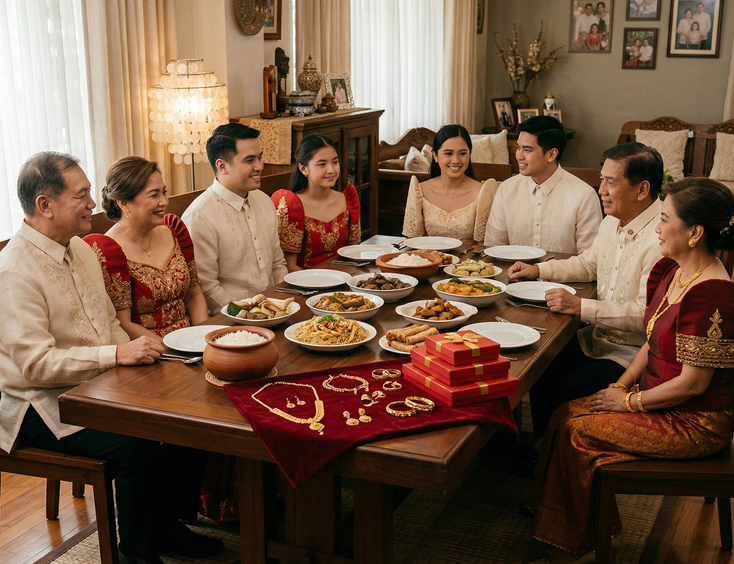
Have the family conversation early. Guest list size, the number of banquet tables, the ang pao expectations, which relatives hold ceremonial roles in the tea ceremony: these decisions involve both sets of parents and surface disagreements that take time to resolve. Start before the planning pressure builds.
Set a realistic budget. A full traditional Chinoy wedding in Metro Manila is expensive. Know what you are working with before you start visiting venues. Factor in the ang pao contributions you expect to receive, which most Chinoy families use to offset reception costs, but do not build your entire budget around a number you cannot guarantee.
Hire your wedding coordinator. Do this before anything else is booked. A coordinator who knows Chinoy weddings will shape every decision that follows, from venue shortlisting to supplier briefings to timeline building. The wedding planners and coordinators in this directory are a strong starting point. Look specifically for coordinators with documented Chinoy wedding experience.
12 to 18 Months Out
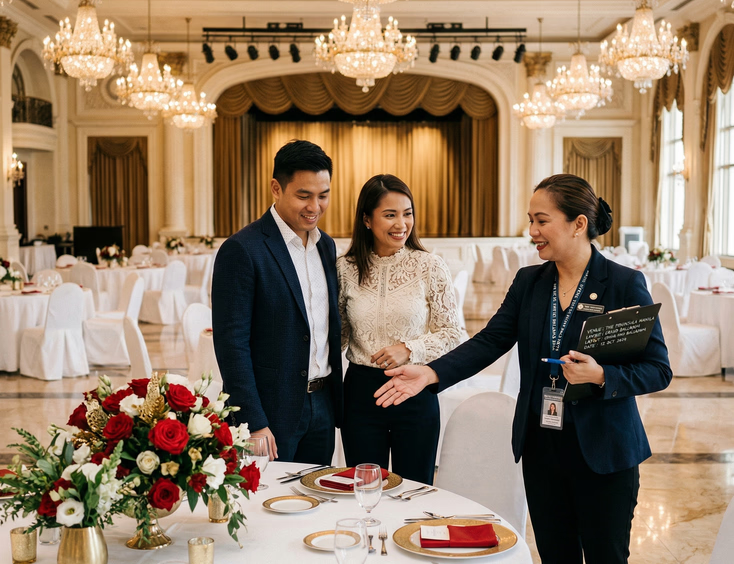
Secure your banquet venue. Popular banquet halls in Metro Manila and major provincial cities book out 12 to 18 months in advance, especially for dates that fall on almanac-approved days. Visit shortlisted venues with your coordinator. Ask about their round table configuration, lazy Susan availability, kitchen capacity for Chinese banquet courses, and whether they have a private room for the tea ceremony setup.
Book your church. If your wedding includes a Catholic Mass, contact the parish directly and confirm their booking process. Some parishes require proof of baptism, confirmation, and pre-Cana attendance before they will hold a date.
Commission your wedding gown and qipao. Both require multiple fittings over several months. If you are commissioning a gown that draws from qipao silhouettes, or a qipao made from non-traditional fabric, add time for sourcing materials. Starting this at 12 months out gives you room to fix problems before they become crises.
Book your photographer and videographer. The best photographers in the Philippines fill their calendars fast on almanac-lucky dates. Show your shortlisted photographers previous Chinoy wedding coverage. Confirm they understand the tea ceremony, the costume change, and the banquet program sequence before you sign anything.
9 to 12 Months Out
Finalize your banquet menu with the catering team. Work through the full banquet menu with the venue's catering team or your external caterer. Each dish in a Chinoy wedding banquet carries symbolic meaning, and substitutions need to be checked against what they signal, not just what they taste like. The full meaning behind each course is in The 12-Course Chinoy Wedding Banquet: Every Dish Explained and Why It Matters.
Decide on lechon and confirm your supplier. If your reception includes lechon, a separate specialist supplier handles this. Confirm the quantity, the presentation style, and the delivery logistics with the banquet venue. Read about what lechon represents in the context of a Chinoy wedding in The Role of Lechon in a Chinoy Wedding and What It Symbolizes.
Book your emcee. A Chinoy wedding emcee needs to manage the banquet program in at least two languages and frame Chinese customs for guests unfamiliar with them. Ask for a sample script and a recording from a previous Chinoy reception before you commit.
Book your florist and stylist. Brief them on both the church setup and the banquet hall setup. They need to carry a visual thread across both spaces. Confirm their experience with Chinoy wedding banquet configurations, specifically round tables, lazy Susans, and the integration of red and gold accents.
6 to 9 Months Out
Finalize the tea ceremony guest list. The tea ceremony involves the couple and both sets of immediate family. Decide whether it happens privately before the reception or as part of the program. Assign who pours, who receives, and in what order. Your coordinator should be part of this conversation.
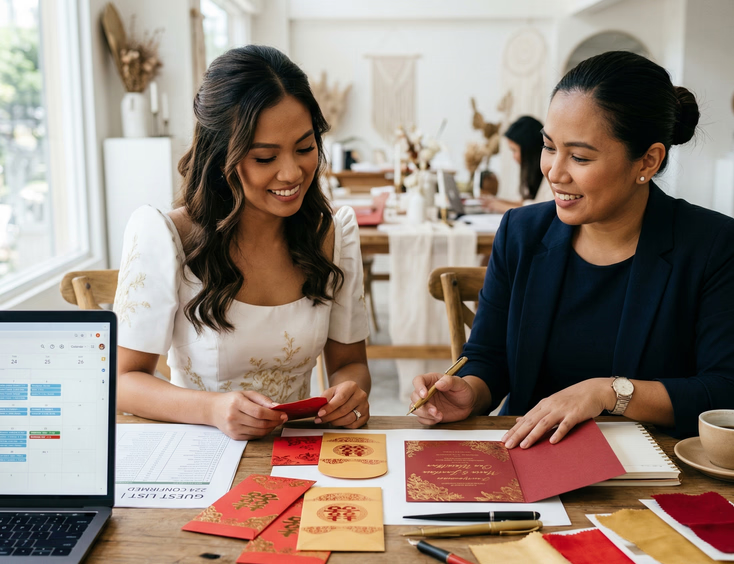
Order your ang pao envelopes. Custom printed ang pao envelopes with the couple's names and wedding date need lead time if you are ordering in volume. If you are using a calligrapher for the design, factor in their production timeline.
Send your invitations. Chinoy wedding invitations typically go out six months before the date. Include meal selection if your venue requires it, and include a clear RSVP deadline that gives you enough time to finalize table counts.
Confirm your stationer and calligrapher. Menu cards, table names, program booklets, and any signage that includes Chinese characters need a supplier who writes Traditional Chinese, which is what the Chinoy community uses. Verify this before you place the order.
3 to 6 Months Out
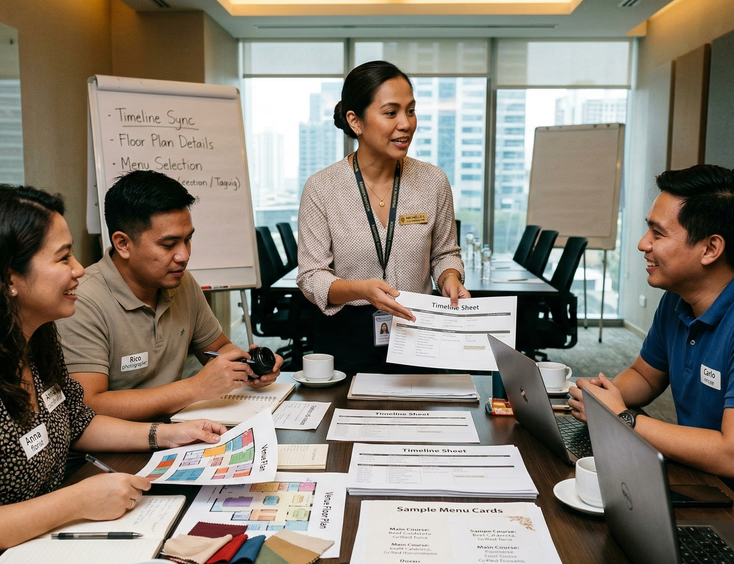
Run your first full timeline draft with your coordinator. Map the entire day from morning preparations through the last banquet course. Include the church schedule, the travel time between venues, the cocktail hour, the tea ceremony, and the reception program. Flag where the pressure points are and build buffer time around them.
Schedule your first wedding gown fitting. If your gown was commissioned at 12 months, your first fitting at this stage should surface any structural adjustments. Confirm the pickup or delivery date with your designer.
Confirm all supplier bookings in writing. Every supplier should have a signed contract and a confirmed deposit by this point. If anything is still verbal, formalize it now.
Arrange transportation. Plan transport for the couple, the immediate family, and the principal entourage between the church and the reception venue. At a Chinoy wedding, the immediate family often needs to arrive at the reception early to prepare for the tea ceremony. Factor this into the vehicle allocation.
1 to 3 Months Out
Finalize your reception program. Work through the full running order with your emcee and coordinator. Confirm the placement of the tea ceremony, the speeches, the banquet course sequence, the program segments, and the technical cues for the audio-visual team.
Brief every supplier on the full day. Your photographer, videographer, emcee, florist, and catering team all need to know the complete timeline before the wedding day. Run a coordinated briefing, not separate conversations. Your coordinator should lead this.
Prepare the ang pao collection system. Decide who receives ang pao at the door, who records the amounts, and where the collection goes during the reception. This is usually a trusted family member or a designated member of the coordinator's team. Set the process before the day.
Chase outstanding RSVPs. Finalize your headcount for the venue. Confirm table assignments. Give the final number to your caterer and venue at least four weeks out.
Schedule your final dress fitting. Both the wedding gown and the qipao should be tried on in their final state with the accessories, shoes, and hair setup that you plan to wear. Any last alterations happen at this fitting.
The Week Before
Confirm every supplier. Call or message each supplier to confirm the time they are arriving, what they are bringing, and who your contact is on the day. This is not a redundant step. Supplier errors surface here when there is still time to fix them.
Prepare the ceremony items. Gather the teacups, the tea set, the tea leaves, the ang pao envelopes, the coins, the veil, the cord, and any other ceremonial items in one place. Hand them to your coordinator with a labeled checklist.
Rest. A Chinoy wedding day is long. The morning starts early and the last banquet course clears late. The couples who arrive at their ceremony calm and present are the ones who protected their sleep in the days before.
On the Day
Your coordinator runs the day. Your job is to be present for each moment as it comes.
The tea ceremony is the moment most Chinoy families remember longest. Give it the time it deserves. Do not let the program rush past it.
For a complete picture of what each tradition looks like as it happens, What Happens at a Chinoy Wedding: A Step by Step Guide to Every Tradition and Ritual walks through the full sequence from start to finish. For the full context behind every tradition on this checklist, read The Complete Guide to a Chinoy Wedding in the Philippines: Traditions, Rituals, and Modern Touches.
Still Searching for a Right Match?
Find Your Perfect Wedding Supplier Today!
Discover trusted wedding suppliers across the Philippines in our complete directory. Compare services and connect with the ones that fit your dream celebration.
Browse Wedding SuppliersFeatured Posts
Regional Wedding Customs Every Filipino Couple Should Know
23 mins readThe Complete Guide to Filipino Wedding Invitations: From Traditional Customs to Modern Trends
12 mins readThe Complete Filipino Couple's Guide to Wedding Rings & Bands in the Philippines: Traditions, Styles, Budgets & Where to Buy
22 mins read