

Chinoy Bridal Style: How Filipino Chinese Brides Blend the Qipao and the Wedding Gown
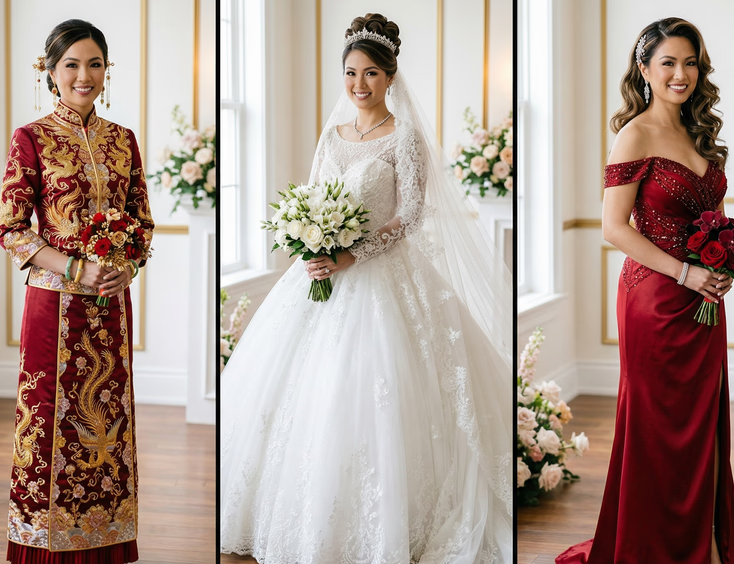
A Chinoy bride does not choose between a qipao and a wedding gown. She wears both, sometimes three outfits across a single day, each serving a distinct cultural function at a specific moment in the wedding. The layering is not indulgence. It is structure. Each outfit belongs to a ceremony, and each ceremony belongs to a different part of the day's cultural identity.
Why Chinoy Brides Wear Multiple Outfits
The Chinoy wedding day moves through two distinct cultural ceremonies: the Chinese tea ceremony and the Filipino Catholic church rite. Each carries its own dress code expectation rooted in its cultural origin. The tea ceremony is a Chinese family ritual. The church ceremony is a Filipino Catholic one. A bride who wants to honor both fully dresses for both.
A third outfit at the reception gives the bride a moment to transition from ceremony mode into celebration mode and adds a visual highlight to the program when she changes into her evening look. Most Chinoy brides plan for two outfit changes minimum, with the more fashion-conscious planning a full three across the day.
The sequence runs consistently across most Chinoy weddings. The qipao or cheongsam comes first, worn during the tea ceremony. The white wedding gown follows for the Catholic church ceremony. A formal evening gown, often in red or another celebratory color, closes the night at the reception.
For context on where each outfit fits within the full day's schedule, read what happens at a Chinoy wedding: a step by step guide to every tradition and ritual.
The Qipao: First Outfit of the Day
The qipao, also called cheongsam, is a form-fitting Chinese dress with a mandarin collar, a side closure with frog buttons, and a fitted silhouette that falls to the knee, the midi, or the floor depending on the style. At a Chinoy wedding, the bride wears the qipao during the tea ceremony, the most distinctly Chinese ritual of the day.
The color is almost always red. Red is the Chinese color of joy, luck, and celebration, and a red qipao at the tea ceremony is the traditional choice across Hokkien-influenced Chinese communities in the Philippines. Deep burgundy, rich gold, and vivid rose are also worn, but red remains the most common by a significant margin.
The embroidery on a tea ceremony qipao carries symbolic weight. The most traditional design features a dragon and phoenix paired together, the dragon representing the groom and the phoenix representing the bride. Worn together on the bride's dress, the pairing symbolizes the balance and harmony of their union. Peonies, a Chinese flower associated with prosperity and feminine beauty, are also widely used. Double happiness characters woven into the embroidery appear on pieces made specifically for weddings.
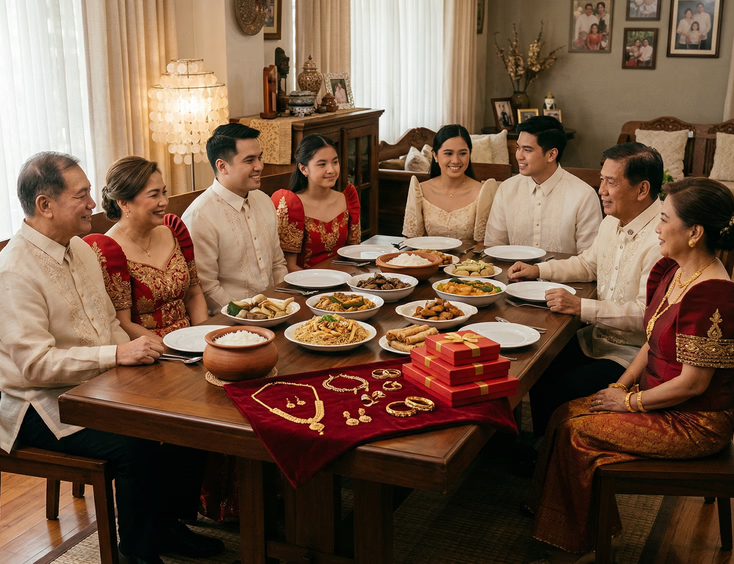
The bride wears the qipao during the tea ceremony and accumulates gold jewelry throughout the ritual as elders present their gifts. By the end of the tea ceremony, she is wearing every piece she has received. The styling of the qipao look, including the hair, the makeup, and the accessories, accounts for this addition. Brides typically start the tea ceremony with minimal jewelry so the elders' gifts can be added cleanly without clashing.
Sourcing the Tea Ceremony Qipao
Chinoy brides in the Philippines source their qipao through three main channels: custom tailoring, bridal rental, and ready-to-wear Chinese fashion.
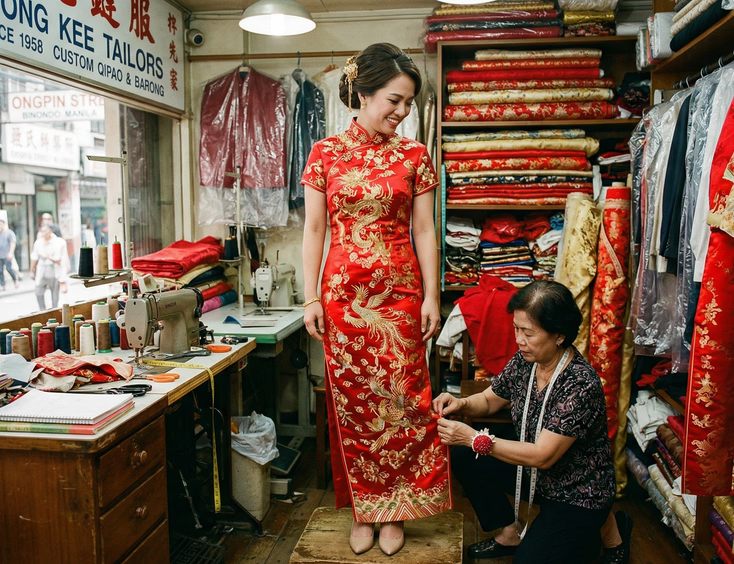
Custom tailoring from a Chinese tailor in Binondo is the most traditional route. Tailors along Ongpin Street and the surrounding Binondo area have served the Chinoy bridal market for decades and understand the construction requirements of a well-fitted qipao. A custom piece allows the bride to specify the embroidery motif, the collar height, the hem length, and the fabric weight. Lead times range from four to eight weeks depending on the complexity of the embroidery and the tailor's schedule. Book earlier during peak wedding seasons.
Bridal rental shops carrying qipao concentrate in Binondo and Greenhills. A well-maintained rental qipao in a popular size and embroidery style delivers a comparable look to a custom piece at a fraction of the cost. The limitation is fit. A qipao that does not fit the bride's specific measurements reads poorly because the silhouette of the garment depends entirely on how well it follows the body. Book rental pieces early and schedule a fitting appointment to confirm the fit before the wedding date.
Ready-to-wear Chinese fashion labels, available through specialty boutiques in Manila and through online platforms, offer modern qipao designs that range from traditional embroidered styles to minimalist contemporary cuts. Some brides source pieces directly from Chinese fashion brands through international shipping. This option works for brides with standard sizing and a clear idea of what they want.
For a related breakdown of what this outfit looks like within the context of the full Chinoy wedding wardrobe budget, read how to plan a Chinoy wedding on a budget without skipping the important traditions.
The Wedding Gown: Second Outfit
The white wedding gown is worn for the Catholic church ceremony. This part of the Chinoy wedding follows Filipino Catholic bridal norms entirely. The bride enters the church in a white or ivory gown, walks down the aisle, and participates in the sacramental rite of marriage in the same attire that any Filipino Catholic bride wears.
There are no specific gown requirements tied to the Chinoy identity at this point in the day. The church ceremony is Filipino Catholic, and the dress follows accordingly. Ballgown silhouettes, fitted mermaid cuts, A-line styles, and contemporary minimalist gowns all appear at Chinoy church ceremonies. The bride chooses what she wants to wear for the sacramental moment of the day.
Some Chinoy brides incorporate subtle Chinese references into their church gown as a personal design choice. A mandarin collar on an otherwise Western bridal gown, embroidered details along the train that echo the dragon and phoenix motif from the qipao, or a red underlay visible through a lace overlay are all ways brides bridge the two cultural aesthetics within a single garment. These are personal decisions rather than traditional requirements.
The transition from qipao to church gown happens after the tea ceremony and before the church. Most brides allow forty-five minutes to an hour for this change, which involves the hair stylist and makeup artist adjusting the look to suit the gown's neckline and the church setting.
Hair and Makeup Across the Changes
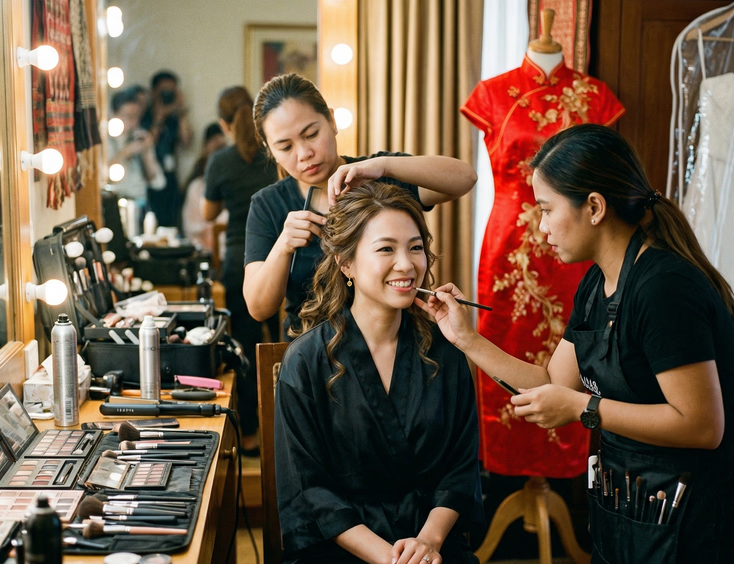
A Chinoy bride's hair and makeup look shifts across the day to suit each outfit and each ceremony.
For the qipao and tea ceremony, the hair is typically styled up. An updo exposes the mandarin collar and neckline of the qipao, which is part of the garment's visual statement. It also allows the elders to place gold necklaces around the bride's neck without navigating hair. The makeup at the tea ceremony leans traditional, with defined eyes, red or deep pink lips, and a polished, formal finish.
For the church ceremony in the white gown, some brides keep the same updo and adjust the accessories. Others ask the stylist to soften the look slightly, adding volume to the sides or transitioning to a half-up style that suits the gown's neckline and the more romantic visual language of a church ceremony. The makeup refresh for the church look typically involves lightening the lip color and adjusting the overall palette if the tea ceremony look was very bold.
For the reception evening gown, the hair look often opens up. Many Chinoy brides release curls or volume for the reception change, creating a more relaxed and festive feel after the formality of the first two ceremonies. Bold lip colors in red or deep berry are popular for the reception, echoing the color palette of the qipao and the decor.
Planning three complete looks across one day requires a makeup artist and hair stylist who are briefed on the full schedule and understand the quick-change logistics between each ceremony. Book professionals with Chinoy wedding experience who have managed this kind of multi-look day before.
The Reception Gown: Third Outfit
The reception evening gown is the bride's most personally expressive outfit of the day. It does not carry the traditional weight of the qipao or the sacramental significance of the church gown. It is the outfit the bride wears to her own party, and most Chinoy brides approach it accordingly.
Red is the most common choice. A red reception gown connects the evening look back to the qipao and the Chinese celebration palette, creating visual continuity across the day. Deep rose, gold, and blush are also popular. A small number of Chinoy brides return to white for the reception, choosing a second white gown in a different silhouette from the church gown. This is increasingly accepted among modern Chinoy families, though traditional families may note the departure from the expected red.
The silhouette of the reception gown tends to be more fashion-forward than the church gown. Contemporary cut-out details, structural minimalism, deep backlines, and high-fashion embellishment all appear at Chinoy receptions on brides who want the evening look to feel distinct from the earlier ceremony looks.
Some Chinoy brides add a fourth look for specific moments in the reception program, a sleek modern qipao-inspired mini dress or a structured contemporary design for the after-party that follows the formal banquet. This is entirely optional and reflects the bride's enthusiasm for dressing rather than any cultural requirement.
The Modern Chinoy Bridal Aesthetic
Younger Chinoy brides today approach the multi-outfit tradition with personal creative authority. The tea ceremony qipao no longer means only a floor-length traditional embroidered piece in red. Modern versions include structured mini qipao with contemporary tailoring, asymmetric hemlines that recall the traditional silhouette while reading as fashion-forward, qipao in blush with gold embroidery instead of the classic red and green, and pieces that fuse Chinese collar construction with modern fabrication.
The wedding gown choice increasingly reflects the bride's full cultural identity rather than defaulting to a generic bridal silhouette. Brides commission pieces from Filipino designers who incorporate Chinese textile references, and from Chinese designers who understand the Filipino church ceremony context. The result is a growing body of Chinoy bridal fashion that belongs entirely to its own cultural space.
The reception gown has become the moment where Chinoy brides push furthest. Freed from the ceremonial requirements that shape the first two outfits, the reception look is where individual style takes over completely. Designers working with the Chinoy bridal market in Manila have developed a distinct aesthetic around this moment: dramatic, celebratory, and specifically suited to a 12-course banquet ballroom environment.
For a broader look at how modern Chinoy couples are reshaping their traditions across every aspect of the wedding, read modern Chinoy weddings: how Filipino Chinese couples are reinventing their traditions.
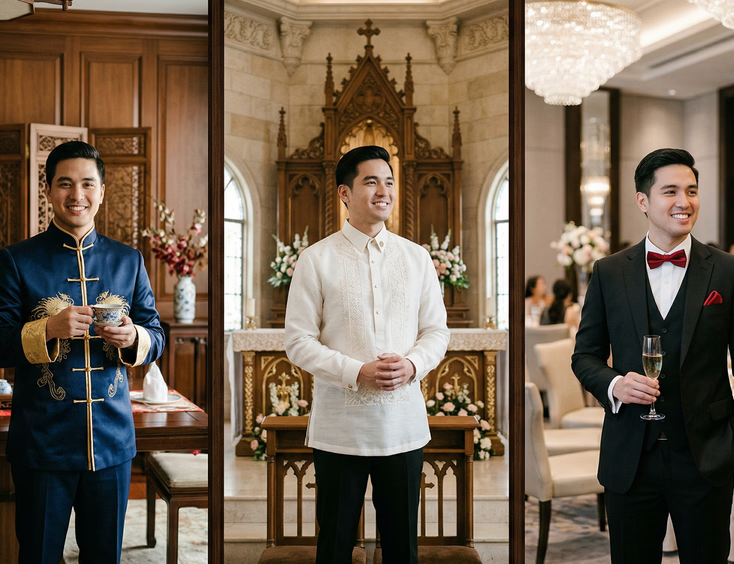
The Groom's Outfits
The groom changes alongside the bride, though his transitions are typically less dramatic. Most Chinoy grooms wear a suit or a tang suit for the tea ceremony, a barong tagalog or a suit for the church ceremony, and a fresh suit or a different suit configuration for the reception.
The tang suit, a mandarin-collared jacket in Chinese brocade or embroidered fabric, is the most traditionally Chinese option for the tea ceremony. Worn in a complementary color to the bride's qipao, typically deep navy, black, or a matching red, the tang suit creates a visually cohesive pair that photographs well during the tea ceremony ritual.
Grooms who prefer not to wear a tang suit often wear a dark suit for the tea ceremony and change into a barong tagalog for the church ceremony, then back into a suit for the reception. The barong for the church ceremony is culturally resonant because it signals the Filipino Catholic identity of that specific rite, just as the qipao signals the Chinese identity of the tea ceremony.
Grooms planning a coordinated look with the bride across all three outfit changes should discuss the color palette with the bride's stylist early in the planning process. The coordination does not require matching exactly. Complementary colors that photograph well together in each setting produce a more interesting result than identical tones across every look.
Planning the Outfit Timeline
Three outfits across one day require a logistics plan as detailed as the ceremony schedule itself.
The bride's stylist needs the full program, including start times for the tea ceremony, the church ceremony, and the reception entrance, so they can build a realistic change schedule around each transition. Each change involves more than swapping a dress. It involves adjusting hair, refreshing makeup, switching jewelry, and preparing the accessories for the next look.
The bridal suite or the getting-ready room needs to accommodate all three looks, including garment bags, boxes for the jewelry, steaming equipment if any gown requires it on the day, and the stylist's full kit. At a venue where the tea ceremony and the reception happen in the same hotel, the bridal suite on the same floor as the ballroom handles all of this efficiently. At venues where the tea ceremony happens at a separate location, the bride needs a clean transition space at each stop.
A coordinator who has managed Chinoy bridal logistics understands these requirements without needing them explained. Browse the wedding planners and coordinators directory to find coordinators with Filipino-Chinese wedding experience who can manage the outfit timeline alongside every other element of the day.
For a full understanding of the tea ceremony, including how the bride's qipao and the gold jewelry she receives fit into the ritual, read the Chinoy tea ceremony explained: what it means and how it works.
For a full understanding of what the Chinoy wedding day looks like so you can dress appropriately for every moment, read the complete guide to a Chinoy wedding in the Philippines.
Still Searching for a Right Match?
Find Your Perfect Wedding Supplier Today!
Discover trusted wedding suppliers across the Philippines in our complete directory. Compare services and connect with the ones that fit your dream celebration.
Browse Wedding SuppliersFeatured Posts
Regional Wedding Customs Every Filipino Couple Should Know
23 mins readThe Complete Guide to Filipino Wedding Invitations: From Traditional Customs to Modern Trends
12 mins readThe Complete Filipino Couple's Guide to Wedding Rings & Bands in the Philippines: Traditions, Styles, Budgets & Where to Buy
22 mins read