

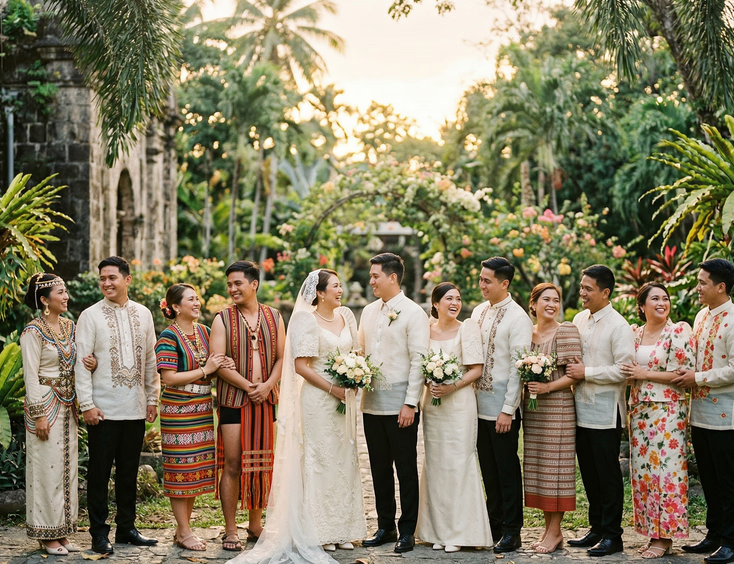
Bridal Shower vs Despedida de Soltera: What Is the Difference
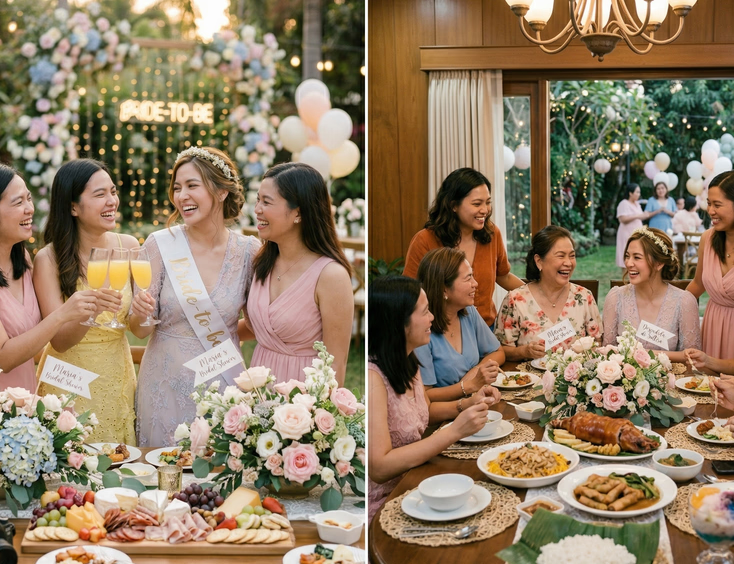
Both celebrations honor the bride before her wedding. Beyond that, they diverge in origin, format, guest expectations, and purpose. Filipino brides and their bridesmaids often plan both, or choose one over the other based on family expectations and budget. Understanding what each event actually is makes that decision easier.
Where Each One Comes From
A bridal shower is an American tradition that took shape in the early 20th century. The premise was practical: female friends and family gathered to gift the bride household items she needed to start a home. The "shower" referred to gifts raining down on her. Over time the format shifted toward games, food, and celebration, with gifts becoming secondary to the event itself.
A despedida de soltera arrived in the Philippines through Spanish colonial influence. The name translates to "farewell to the single woman." Spanish families held intimate gatherings for the bride before her wedding, led by female relatives and close friends. The Filipino version absorbed local hospitality traditions and evolved into something distinct from its Spanish origins, more communal, more food-centered, and deeply tied to family involvement.
Who Attends
Bridal showers in the Philippines follow the American format fairly closely. The guest list skews toward peers: college friends, work friends, and the bride's closest circle. Family members attend but the event is largely driven by the bridesmaids. Guests tend to be around the same age as the bride.
A despedida de soltera draws a wider age range. Titas, lolas, ninang candidates, and the bride's mother are core guests, not optional additions. The groom's female relatives are often invited too. The gathering reflects the full community of women who will surround the bride in her married life, not just her peer group.
If the bride's family is traditional, they will expect a despedida de soltera as a matter of course. A bridal shower may happen in addition to it, organized separately by the bride's friends.
The Tone and Format
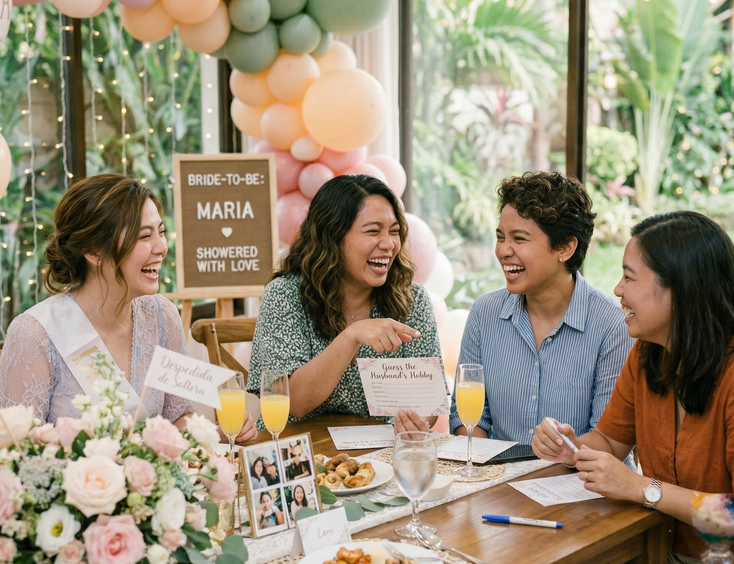
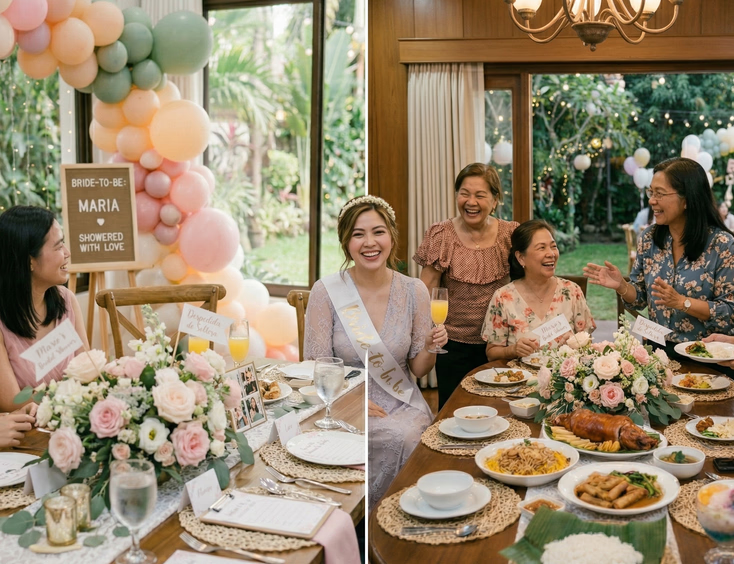
Bridal showers run lighter and more playful. Games are competitive and bride-focused. Decor is often elaborate, styled for social media, and coordinated around a theme. Mimosas, grazing boards, and floral arrangements dominate the aesthetic. The program keeps energy high and moves fast.
A despedida de soltera runs warmer and more sentimental. The program makes room for older guests to speak. Advice-giving is expected and welcomed. Food is abundant and shared. The atmosphere feels closer to a family lunch than a styled event. Laughter is common but so are tears.
Neither tone is better. They serve different emotional purposes.
Gifts
Bridal showers center gift-giving. Guests bring wrapped presents, often from a registry or aligned to a theme. The bride opens gifts during the program. The gift pile is part of the event's visual identity.
A despedida de soltera treats gifts as secondary. Guests may bring something but the expectation is softer. The gathering itself is the offering. An older tita who travels from the province to attend gives the bride more than any wrapped box does.
If you're planning a despedida, don't build the program around gift opening. If guests bring gifts, receive them graciously and set them aside.
Who Plans It
Bridesmaids plan and fund the bridal shower. The bride's involvement is limited to preference-sharing. She picks a theme or color palette, communicates dietary needs, and shows up. The bridesmaids handle venue, food, games, invitations, and budget.
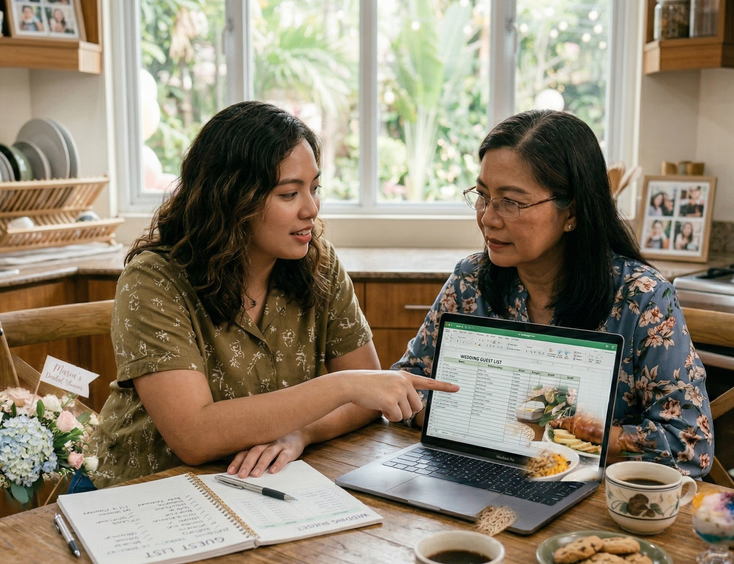
A despedida de soltera is often co-planned by bridesmaids and family. The bride's mother, an aunt, or a ninang may take the lead or contribute significantly to the budget. Family members bring dishes. Older relatives take an active role in the program. The bridesmaids coordinate logistics but they share the floor with the family.
If you're a bridesmaid planning a despedida, loop in the bride's mother early. She will have opinions. Those opinions usually improve the event.
Venue and Food
Bridal showers favor styled venues. Private dining rooms, garden spaces, and event studios with good natural light attract bridesmaids who want strong photos. Food presentation matters as much as taste. Grazing tables, custom cakes, and curated menus are standard.
A despedida de soltera defaults to a home or a familiar restaurant. The bride's family home carries the most meaning. A private room at a Filipino restaurant works for larger groups. The food runs traditional: rice, viand, pancit for long life, and a cake. Volume matters more than presentation. Nobody leaves hungry.
Timing
Bridal showers typically happen four to six weeks before the wedding. Far enough from the date that the bride isn't overwhelmed by final preparations, close enough to feel like a real send-off.
A despedida de soltera follows a similar window but Filipino families sometimes hold it closer to the wedding, two to three weeks out. Some families schedule it the weekend before the wedding proper. Confirm the timing with the bride's family before you book anything.
Can You Hold Both
Yes, and many Filipino brides do. The bridal shower serves the peer group. The despedida serves the family. They don't duplicate each other because they draw different guests and fulfill different purposes.
The practical consideration is budget and calendar. Two events across two weekends add up in cost and coordination time. If the bride's schedule and the bridesmaid budget support both, plan the despedida first and the bridal shower closer to the wedding. The despedida's family-centered tone opens the celebration. The bridal shower closes it on a lighter note.
If budget or time forces a choice, ask the bride which matters more to her family. In most Filipino households, the despedida carries the stronger cultural expectation. A bridal shower is a bonus. A despedida is closer to an obligation, a warm one, but expected.
The Practical Difference for Bridesmaids
Planning a bridal shower means controlling the full event. You set the budget, book the venue, run the program, and manage the guest list with minimal family input.
Planning a despedida means coordinating with the family. You share decisions. You accommodate older guests in the program. You defer to the bride's mother on certain calls. The event belongs to a wider circle.
Both require organization. The despedida requires more diplomacy.
Know which event you're planning before you start. The format, the guest list, the venue, the food, and the program all follow from that answer.
For brides thinking through the full scope of this role before choosing their entourage, the complete guide to bridesmaids in a Filipino wedding covers every dimension from selection to gowns to appreciation.
Still Searching for a Right Match?
Find Your Perfect Wedding Supplier Today!
Discover trusted wedding suppliers across the Philippines in our complete directory. Compare services and connect with the ones that fit your dream celebration.
Browse Wedding SuppliersFeatured Posts
The Complete Guide to Filipino Wedding Invitations: From Traditional Customs to Modern Trends
12 mins readThe Complete Filipino Couple's Guide to Wedding Rings & Bands in the Philippines: Traditions, Styles, Budgets & Where to Buy
22 mins read