


Aerial Drone Coverage for Filipino Weddings: What to Expect and When It Is Worth It
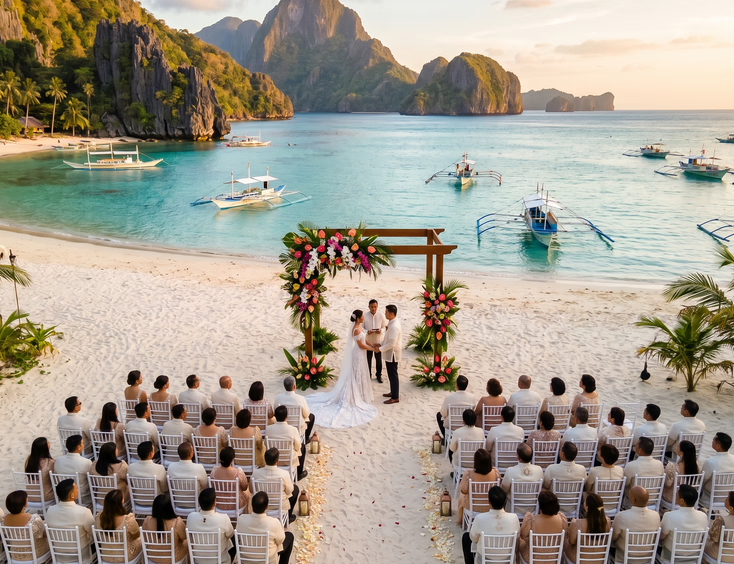
A drone hovers 30 meters above your beachfront ceremony in Boracay. The shot pulls back, revealing the aisle, the guests, the turquoise water, and the outrigger boats anchored offshore. That single frame turns your wedding film into a feature.
Drone coverage adds scale no ground camera can match. It also adds cost, logistics, and rules you need to know before you book. This guide covers what drone coverage delivers, when it earns its price, and what Filipino couples should ask before signing the line item.
What Drone Coverage Delivers
A wedding drone operator captures aerial footage during key moments of the day. Standard coverage includes:
- Wide aerial shots of the venue and surrounding landscape
- Pull-back shots during the processional and recessional
- Top-down shots of the couple and guests
- Sweeping reveals of beach, mountain, or garden ceremonies
- B-roll of the venue exterior, parking, and arrival
Operators run drones like the DJI Mavic 3, DJI Air 3, or DJI Mini 4 Pro. Higher-end teams use the DJI Inspire 3 for cinema-grade footage. Flight time per battery runs 25 to 40 minutes, with operators swapping batteries between shots.
When Drone Coverage Is Worth It
Drone footage shines in specific settings. Book it if your wedding falls into any of these:
- Beach weddings: Boracay, El Nido, Siargao, Coron, and Bantayan deliver shots impossible from the ground. The contrast of white sand, turquoise water, and the aisle from above earns the upgrade.
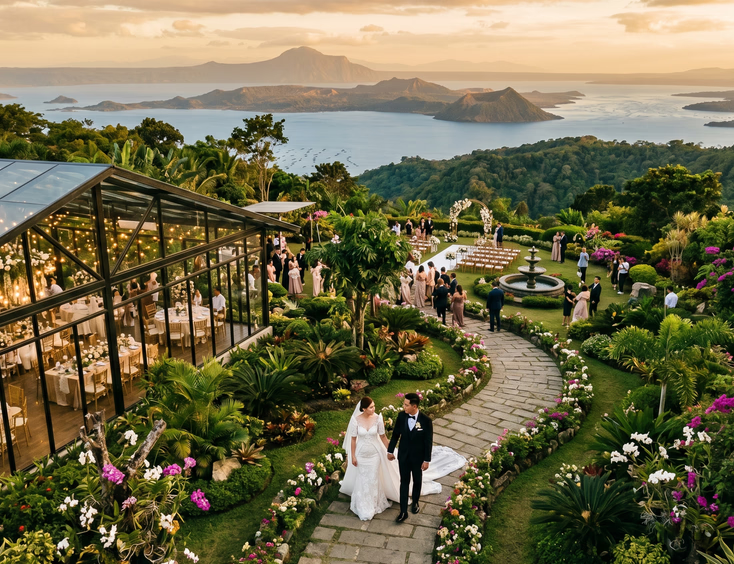
- Garden and estate weddings: Tagaytay, Antipolo, and Silang venues like Hillcreek Gardens, Alta Veranda de Tibig, and Glass Garden benefit from sweeping reveals of the grounds.
- Mountain weddings: Baguio, Sagada, and Batangas hilltop venues use drones to show the elevation and surrounding landscape.
- Destination weddings: Bohol, Palawan, Batanes, and Cebu coastline venues all justify drone coverage for the location reveal alone.
- Large guest counts: Weddings with 200+ guests benefit from top-down shots showing the full crowd during the ceremony or first dance.
When Drone Coverage Is Not Worth It
Skip drone coverage if:
- Your ceremony and reception sit indoors with no outdoor moments
- Your venue is a small chapel, hotel ballroom, or restaurant with no exterior view worth capturing
- Your guest count runs under 50 with intimate framing as the priority
- Your venue blocks drone flights (most Manila hotels and government-managed sites)
- Your wedding falls during typhoon season with high wind risk
A drone shot of a hotel parking lot adds nothing. Redirect the budget to a highlight reel or a Same Day Edit instead.
Drone Coverage Costs in the Philippines
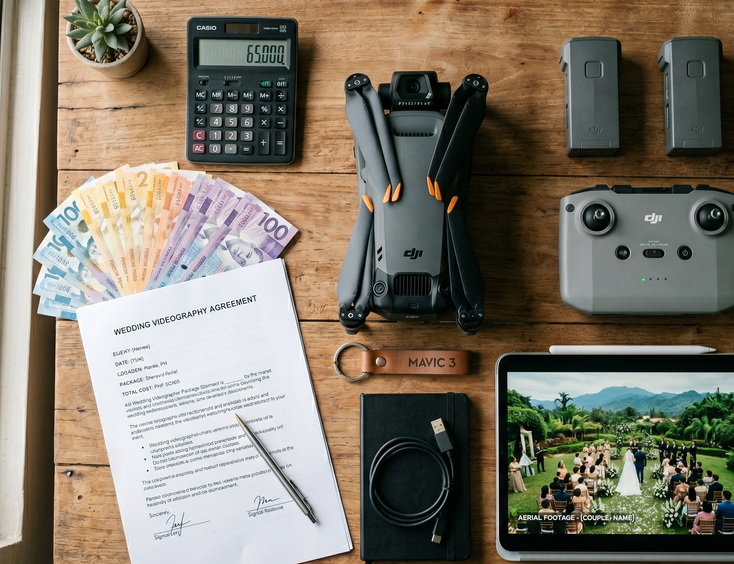
Drone pricing in 2026 sits in three tiers:
- Add-on to a video package: ₱8,000 to ₱20,000 for 1 to 3 hours of drone coverage
- Half-day dedicated drone team: ₱15,000 to ₱35,000 for ceremony and reception coverage with a dedicated operator
- Full-day cinema drone: ₱40,000 to ₱80,000 for a DJI Inspire 3 with a dedicated pilot and gimbal operator
Destination weddings add travel fees. A Boracay or Palawan booking adds ₱10,000 to ₱25,000 for flights, accommodation, and equipment shipping for the drone team.
Rules and Permits in the Philippines
The Civil Aviation Authority of the Philippines (CAAP) regulates drone flights. Your videographer or drone operator handles the paperwork, but you should know the basics:
- Drones over 250 grams need CAAP registration
- Commercial drone operations need a Certificate of Authorization
- Flights near airports, military zones, and government facilities are banned
- Maximum altitude is 400 feet above ground level
- Operators need line of sight at all times
Some venues require their own clearance on top of CAAP rules. Boracay and Palawan resorts often charge a separate drone permit fee of ₱2,000 to ₱5,000.
Confirm permits with your operator at least 30 days before the wedding. A grounded drone on the wedding day is a refund waiting to happen.
Weather and Wind Limits
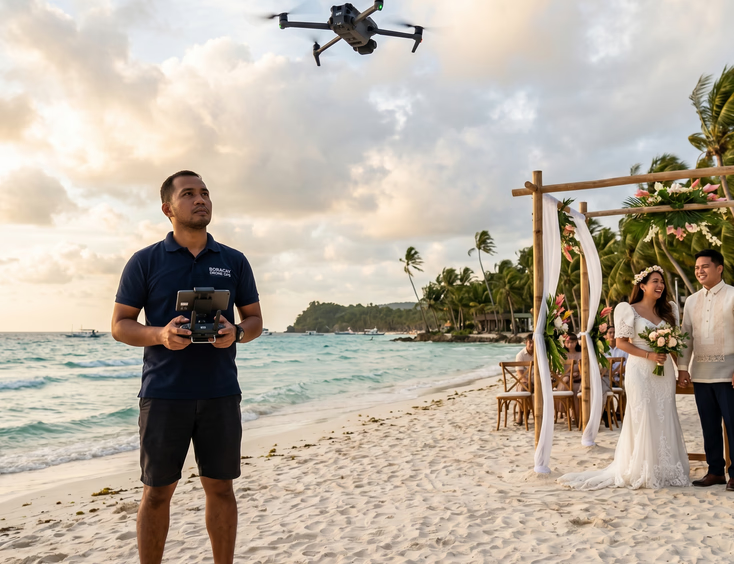
Drones fly within wind and weather limits. Most consumer drones max out at 30 to 40 km/h wind. Heavy rain grounds the drone. Extreme heat over 40°C drains batteries fast.
Beach and mountain venues see the highest wind risk. A Boracay afternoon ceremony often faces 25 to 35 km/h gusts. Schedule drone shots during the morning or late afternoon when wind drops.
Build a backup plan with your operator. Confirm what happens if weather grounds the drone, including refunds, rescheduling, or substitute ground coverage.
Briefing Your Drone Operator
Send these to your drone team two weeks before the wedding:
- Venue name, address, and pinned location
- Ceremony and reception start times
- A shot list of priority moments for aerial coverage
- Names of any structures, trees, or obstacles to avoid
- Contact details for the venue manager who handles permits
Walk the venue with the operator if possible. A scouting visit catches issues like power lines, low-hanging branches, or restricted airspace that ruin a planned shot.
Pair Drone Footage With the Right Video Style
Cinematic videographers use drone footage as transitions and dramatic reveals. Documentary teams use drone footage as B-roll between key moments. Match the drone work to your overall direction in our breakdown of cinematic vs. documentary wedding videos.
For the full picture of how drone fits into a wedding video package, see our complete guide to hiring a wedding videographer in the Philippines.
Find a Videographer With Drone Capability
Browse teams that include drone coverage on our directory of Philippine wedding videographers. Filter by package inclusions, watch sample drone reels, and shortlist three studios with strong aerial work this week.
Still Searching for a Right Match?
Find Your Perfect Wedding Supplier Today!
Discover trusted wedding suppliers across the Philippines in our complete directory. Compare services and connect with the ones that fit your dream celebration.
Browse Wedding SuppliersFeatured Blog Posts



Filipino Wedding Entourage - Roles, Order of March, and Modern Etiquette
6 mins readCivil Weddings in the Philippines - Requirements, Costs, and Step-by-Step Process
9 mins readCivil Wedding Requirements in the Philippines - Complete Checklist
6 mins readCost of Wedding in the Philippines - 5 Essential Things You Need to Know
7 mins readPrincipal Sponsors (Ninong/Ninang) - How Many, How to Ask, What They Really Do
4 mins readVeil, Cord, Candle & Coins - Roles, Options, and When They Happen
4 mins readEntourage for a Traditional Pinoy Wedding - Complete Roles and Guide
6 mins readComplete List of Civil Wedding Requirements in the Philippines
8 mins readHow to Choose Wedding Ninongs and Ninangs - Ask Yourself These 3 Important Questions
5 mins read