

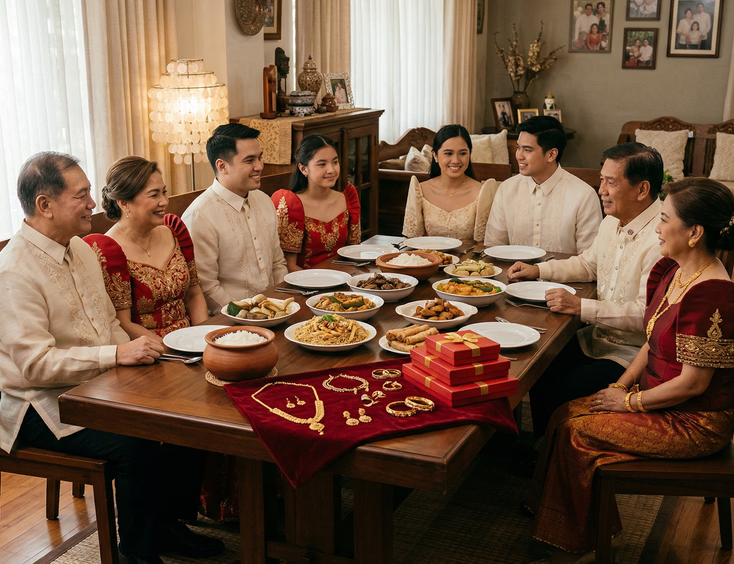
A Step-by-Step Guide to What Happens During a Tinghun Ceremony
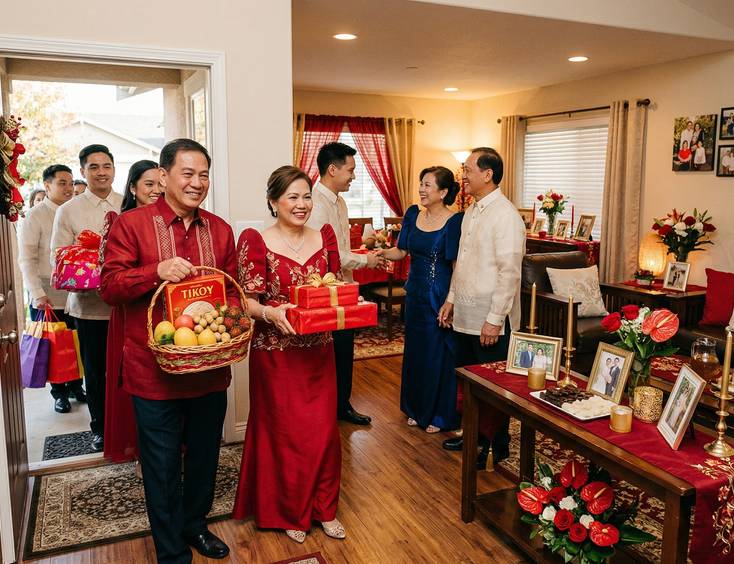
The groom's family does not knock on the door and walk straight to the dining table. Every stage of a Tinghun follows a sequence, and that sequence carries meaning. Knowing what happens and when helps both families prepare, participate correctly, and avoid the kind of confusion that disrupts the ceremony's tone.
This guide walks through the Tinghun from the moment the groom's family leaves their home to the moment both families part ways.
Before the Day: What Both Families Settle First
The ceremony cannot begin without preparation from both sides. In the weeks before the Tinghun, the groom's family assembles the gifts. The bride's family prepares the home and arranges the food. Both families agree on the guest list, confirm the date, and align on the sequence of events.
The groom's family consults a Chinese almanac or a trusted elder to confirm the date is auspicious. They source the gold jewelry, prepare the ang pao, and arrange the food gifts: tikoy, whole lechon, seasonal fruits, and other items chosen for their symbolic meaning. Everything is wrapped in red.
The bride's family prepares the receiving area and the dining table. They cook or arrange the shared meal, set out the seating according to family hierarchy, and brief younger family members on how to behave during the ceremony.
Neither family wings a Tinghun. The preparation is part of the respect the ceremony demands.
For a full planning checklist covering both families, How to Plan a Tinghun Ceremony: A Checklist for Both Families breaks down every task and when to complete it. For the full context on what the ceremony means and why it matters, read Tinghun: The Complete Guide to the Traditional Filipino Engagement Ceremony.
Stage 1: The Groom's Family Arrives
The groom's family arrives at the bride's family home at the agreed time, often in the morning or early afternoon. They arrive together, as a group. The parents lead. Other family members follow.
The gifts travel with them. Traditionally, family members carry the items rather than leaving them in a vehicle or sending them ahead. The act of physically carrying and presenting the gifts is part of the ceremony, not just a logistical step.
Arriving late signals disrespect. Arriving without a complete delegation signals the same. The groom's family treats the arrival as a formal entrance, not a casual drop-in.
Stage 2: The Formal Welcome
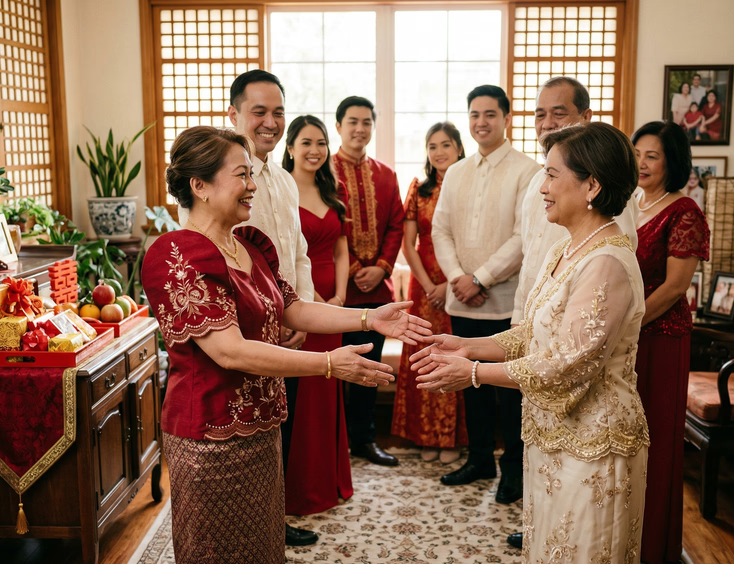
The bride's family receives the groom's family at the door. The bride's parents greet the groom's parents first. This exchange is formal. The tone is warm but measured. Everyone moves to the receiving area, typically the living room, where seating has been arranged in advance.
Seating follows hierarchy. The elders and parents sit in the primary positions. The couple may sit together or separately, depending on the family's custom. Younger family members take supporting seats around the room.
The bride may or may not be present at this stage. In some families, she enters after the initial formalities. In others, she sits with her family from the start. The family's custom governs this.
Stage 3: Opening Remarks and Introductions
Once everyone is seated, the groom's family formally opens the visit. The groom's father or the most senior male member of the delegation speaks first. He introduces his family, states the purpose of the visit, and formally asks the bride's family for their blessing on the marriage.
This is the heart of the Tinghun before the gifts are presented. The spoken request carries weight. In Tsinoy families, the elder may speak in Hokkien, Filipino, or both. The words differ by family, but the message is consistent: we are here to ask for your daughter, we come with respect, and we come prepared.
The bride's father or senior elder responds. He may ask questions, speak about the couple, or offer an initial expression of welcome. This exchange can be brief or extended depending on the families involved.
Stage 4: The Gift Presentation
The groom's family presents their gifts formally. The items are brought out in a deliberate order, with each gift acknowledged before the next is introduced.
The gold jewelry set typically comes first. The groom's mother or a senior female elder of the groom's family presents the jewelry to the bride. In some families, the jewelry is placed on the bride during the ceremony itself. In others, it is presented in its box for the family to inspect and receive. The presentation of the gold is the most significant moment of the gift exchange because it represents the groom's family's commitment to the bride's wellbeing.
Food gifts follow: the lechon, the tikoy, the fruits, and any other prepared items. Each is placed on a designated table or surface in the receiving area. Ang pao envelopes are presented to the bride's parents and senior elders.
The bride's family accepts each gift with gratitude. No gift is refused. Refusing a Tinghun gift carries a meaning neither family wants to communicate.
For a detailed breakdown of each gift and its symbolic significance, The Symbolic Gifts in a Tinghun and What Each One Represents covers every item in the traditional Tinghun gift list. For guidance on selecting the gold jewelry specifically, Why Gold Jewelry Is Central to the Tinghun Tradition and How to Choose Wisely walks through what to buy and how much to spend.
Stage 5: Blessings from the Elders
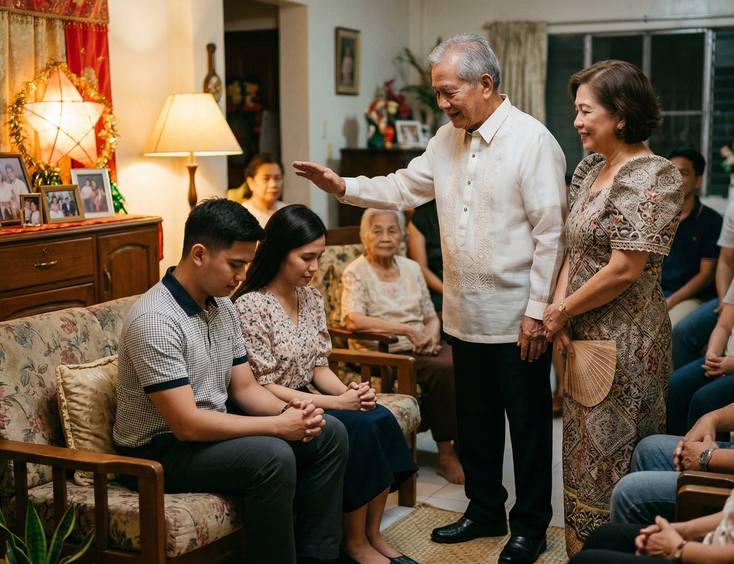
After the gifts are received, the elders of both families offer their blessings to the couple. This is not a speech. It is a direct address to the couple, spoken by the most senior members of each family.
The blessings cover what the elders wish for the couple's marriage: health, prosperity, children, a long life together. Some families include a prayer at this point, led by a family elder or a family friend with a religious role. Catholic Filipino-Chinese families may recite a brief prayer before transitioning to the meal.
The couple listens and receives the blessings with their heads slightly bowed. They do not speak much during this stage. The ceremony positions them as recipients of the families' goodwill, not as hosts of the event.
Stage 6: Tea Service
In families that observe the full Chinese-Filipino Tinghun tradition, a tea ceremony follows the blessings. The couple serves tea to the elders of both families in order of seniority, starting with the oldest members on each side.
Serving tea is an act of respect. The elder receives the cup with both hands, drinks, and often gives the person who served them a red envelope or a piece of jewelry as a return gift. This exchange repeats with each elder present.
Not all Filipino-Chinese families include the tea ceremony in their Tinghun. Some practice it as a separate event closer to the wedding day. Families who observe it as part of the Tinghun treat it as a natural bridge between the formal blessing stage and the shared meal.
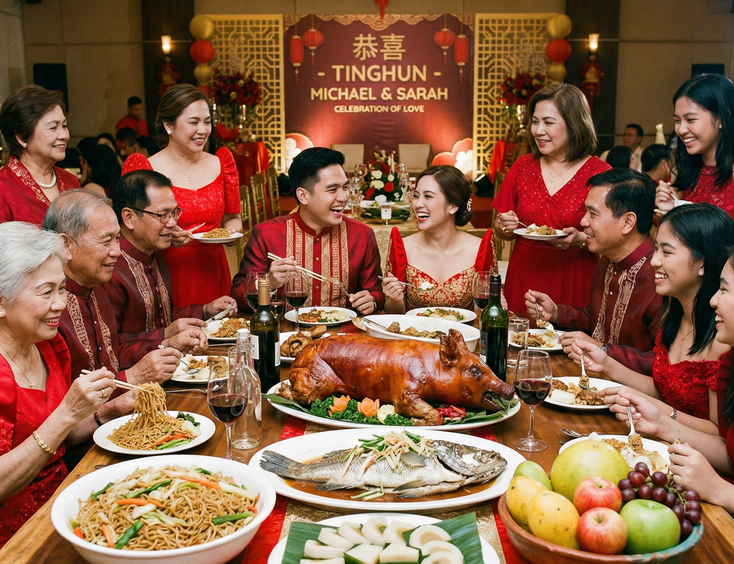
Stage 7: The Shared Meal
Both families move to the dining table. The meal is the longest stage of the Tinghun and the most relaxed. The food served carries symbolic meaning: fish for abundance, whole chicken for completeness, noodles for long life, tikoy for unity and togetherness.
The shared meal is where both families begin to know each other as future relatives rather than as strangers across a receiving room. Conversation is encouraged. Stories are shared. The formality of the earlier stages softens over food.
Seating at the table still follows the family hierarchy established in the receiving area. Parents and elders take the principal seats. The couple sits together.
The Role of Food in a Tinghun Ceremony and What Dishes Are Traditionally Served covers the full traditional menu, the meaning behind each dish, and how to plan the meal for both Filipino and Filipino-Chinese palates.
Stage 8: The Closing
The groom's family signals the end of the visit when the meal concludes. The groom's father or senior elder addresses the bride's family one final time, expressing gratitude for the welcome and reaffirming the family's commitment to the marriage.
The bride's family responds with a closing blessing or a warm acknowledgment. Both families stand. The groom's family says their goodbyes to each member of the bride's household in order of seniority.
The departure mirrors the arrival: orderly, respectful, and unhurried. The groom's family does not linger casually after the closing remarks. The ceremony has a clear end, and both families honor it.
After the Tinghun
Once the groom's family leaves, both sides consider the engagement formally confirmed. The couple may now begin planning the wedding. Supplier meetings, venue visits, and guest list discussions all happen after the Tinghun, not before.
In the days following the ceremony, some families exchange follow-up messages or calls between the parents to confirm shared expectations for the wedding planning period ahead. This is not a formal requirement, but it keeps communication open between two families who are now formally connected.
If you are planning a Tinghun and want professional support to help both families coordinate the sequence and logistics, Wedding Planners and Coordinators lists experienced professionals who have guided families through the ceremony from preparation to closing
Still Searching for a Right Match?
Find Your Perfect Wedding Supplier Today!
Discover trusted wedding suppliers across the Philippines in our complete directory. Compare services and connect with the ones that fit your dream celebration.
Browse Wedding SuppliersFeatured Posts
Regional Wedding Customs Every Filipino Couple Should Know
23 mins readThe Complete Guide to Filipino Wedding Invitations: From Traditional Customs to Modern Trends
12 mins readThe Complete Filipino Couple's Guide to Wedding Rings & Bands in the Philippines: Traditions, Styles, Budgets & Where to Buy
22 mins read