


10 Things to Check Before Booking Your Wedding Preparation Venue in the Philippines
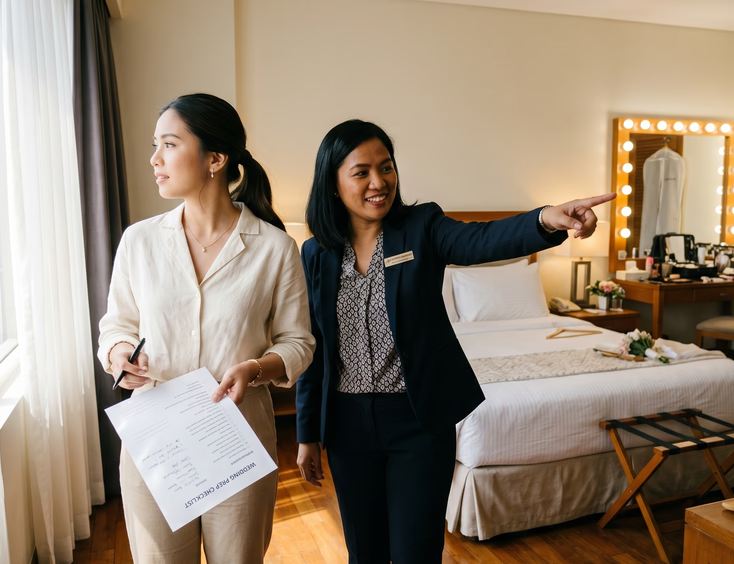
You toured the venue online. The photos look good. The price fits your budget. You're ready to send the down payment.
Stop.
Photos lie about size. Listings exaggerate amenities. A room that looks spacious in a wide-angle shot turns cramped when six people stand inside it. The hotel that promised "natural light" faces a parking lot wall. The studio with "ample outlets" hides them behind the bed.
Walk the venue before you sign. Bring this checklist. Inspect every item. Then decide.
1. The Actual Room Size
A listing says "spacious bridal suite." The reality might be 18 square meters with a queen bed eating half the floor.
Measure the open floor space, not the total room area. A bride needs room for a vanity, a steamer for the gown, a styling station, and a clear path for the photographer to back up for wide shots. The minimum working floor space is 12 square meters for a small entourage, 20 square meters for a full team.
Walk the room with the listing in hand. Count your team. Picture your makeup artist, hairstylist, photographer, videographer, mother, and maid of honor working at once. Does the room fit them?
2. The Window Direction and Light Quality
Filipino wedding photography depends on natural window light. The direction the windows face determines the quality of every shot.
East-facing windows give the soft golden light of morning, ideal for preparations that start at sunrise. West-facing windows stay dark in the morning and overheat in the afternoon. North-facing windows give consistent, diffused light all day. South-facing windows produce harsh midday glare.
Visit the venue at the same time of day your preparation will happen. Stand in the room. Watch where the light falls. Note the shadows on the wall, the brightness near the bed, and the direction of the strongest beam. Ask your photographer to visit if she can.
A room with one small window facing a parking lot wall won't deliver the photos you saved on Pinterest, no matter how skilled your photographer is.
3. The Number and Location of Power Outlets
Hair tools, makeup lights, ring lights, phone chargers, and camera batteries all draw power. A wedding preparation uses six to ten devices at once.
Count the outlets in the room. Note where they sit. A suite with two outlets behind the bed and one in the bathroom forces your suppliers to share extension cords across the floor, creating trip hazards and slowing the timeline.
Look for at least six accessible outlets near the vanity, the styling station, and the gown area. If the room falls short, ask the venue if they provide power strips or surge protectors. Bring your own if they don't.
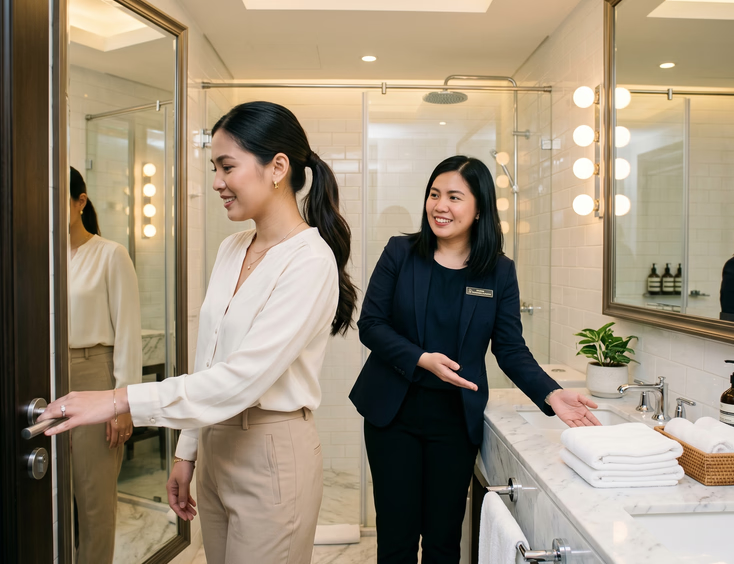
4. The Bathroom Size and Access
A wedding day bathroom serves three functions: bride changing room, makeup retouching station, and emergency space for nerves or tears.
A single small bathroom causes bottlenecks. The bride needs it for the gown change. The bridesmaids need it for outfit swaps. Someone always needs it at the wrong moment.
Check the bathroom for size, mirror quality, lighting, and lock function. A bathroom with overhead lighting and a small mirror flattens the face for retouches. A bathroom with a vanity mirror and side lighting handles last-minute makeup fixes. A second bathroom in the suite changes the morning entirely.
5. The Noise Level
A preparation room sits in a hotel, a building, or a neighborhood. The room sounds you can't see in photos will define the morning's mood.
Visit the venue during the same hours your preparation will happen. Stand in the room. Close the door. Listen.
Check for hallway traffic, lobby chatter, elevator noise, neighboring guests, street sounds, construction nearby, and the rumble of air conditioning units. A suite next to the elevator hears every ding for four hours. A studio above a bakery hears equipment running from 5 AM.
Ask the venue what's scheduled in adjacent rooms on your wedding date. A conference room next door hosting a 200-person event creates noise you didn't sign up for.
6. The Air Conditioning
Filipino weather punishes preparation rooms. A bride in full glam, six people working in a small space, and tropical humidity combine into sweat that ruins makeup before the bridal car arrives.
Test the air conditioning during the inspection. Turn it on. Wait ten minutes. Note whether the room cools evenly. Listen for rattling or dripping. Check the vents for dust.
A bridal suite with a single window-type AC unit won't keep a full entourage comfortable. A suite with central air handles the load. Ask the venue what type of system the room uses and whether they can provide additional fans if needed.
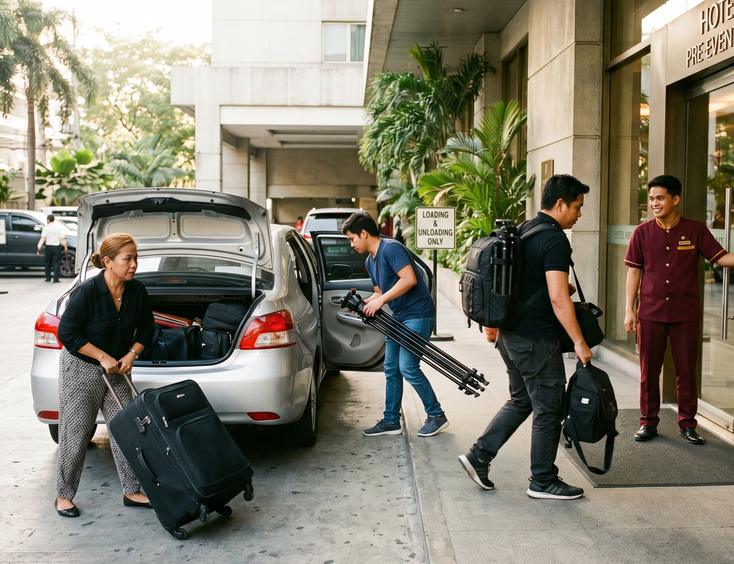
7. The Parking Access for Suppliers
Your makeup artist arrives with two suitcases of kit. Your photographer carries three camera bags and a tripod. Your videographer brings lighting stands and a gimbal rig. Your gown delivery service rolls in a garment bag the size of a closet.
Suppliers need to unload close to the entrance. A venue with parking far from the door, narrow stairs, or no elevator forces them to lug equipment up flights, eating into the timeline and arriving stressed.
Ask the venue about loading access, elevator availability, and parking fees for suppliers. Some hotels charge guests' suppliers PHP 200 to PHP 500 per vehicle. Some buildings restrict deliveries to back entrances.
8. The Check-In Time
A standard hotel check-in is 2 PM or 3 PM. A wedding preparation starts at 5 AM or 6 AM.
The math doesn't work without an early check-in arrangement. Most hotels offer early check-in for bridal bookings, but the rules vary. Some include it free with a bridal package. Some charge a half-day rate. Some require booking the night before, which doubles the cost.
Confirm the check-in time in writing. Confirm whether the room will be ready when your suppliers arrive. A bride who waits in the lobby at 5 AM while housekeeping finishes the room loses an hour of prep time she can't get back.
9. The Backup Plan for Emergencies
A wedding preparation runs into problems. The air conditioning breaks. The water shuts off. The elevator stops working. The fire alarm goes off during a routine drill.
Ask the venue what happens if something fails. Who do you call? How fast do they respond? Do they offer a backup room if yours becomes unusable? Do they refund or compensate if the failure ruins the morning?
A venue with a clear emergency protocol earns trust. A venue that shrugs at the question costs you peace of mind on the day you need it most.
10. The Contract Terms
The contract protects both parties when the day goes sideways.
Read every clause before signing. Check the cancellation policy, the rescheduling fees, the down payment terms, the balance due dates, the included amenities, the additional charges, the guest count limit, and the noise restrictions.
Note the fine print on incidental fees. Some hotels charge for extra towels, room service deliveries, additional pillows, or guests beyond a set count. Some studios charge cleanup fees if the preparation runs over time.
Ask for everything in writing. A verbal promise from the venue coordinator doesn't bind the company if she leaves the job before your wedding date.
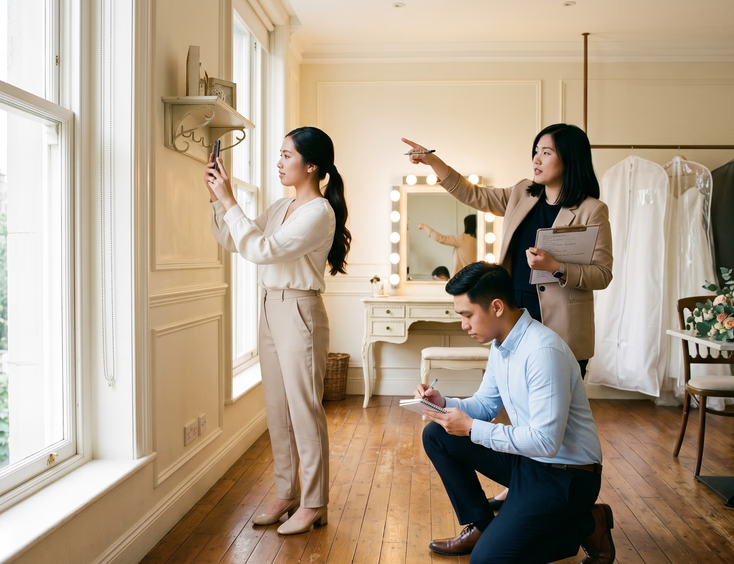
How to Run the Inspection
Visit the venue twice if you can. Once at the time of day your preparation will happen, once at a different hour to compare the noise and light. Bring your photographer or planner if their schedule allows.
Take photos of every angle of the room. Note the dimensions, the outlets, the windows, and any damage or wear. Save the photos and the listing details. Compare them when you decide.
The full decision framework that covers venue types, budgets, and locations sits at Choosing a Wedding Preparation Venue in the Philippines.
The cost breakdown by venue type lives at How Much Should You Budget for a Wedding Preparation Venue in the Philippines.
The comparison of hotel suites, salons, and home setups sits at Hotel Bridal Suite, Salon, or Home: Which Wedding Preparation Venue Is Right for You?.
Start Your Search
Browse vetted preparation venues in the Wedding Preparation Venues directory to compare hotels, suites, and styling studios across Metro Manila, Cebu, Tagaytay, and the rest of the Philippines. Filter by location, capacity, amenities, and price. Read reviews from couples who inspected and booked the same venue you're considering.
Shortlist three venues. Inspect each one with this checklist. Book the venue that passes every test.
The Inspection That Saves Your Wedding Day
A wedding preparation venue rarely fails because the couple picked a bad one on purpose. It fails because the couple booked from a listing without walking the room. Photos hide flaws. Reviews skip details. Listings exaggerate.
Inspect the venue yourself. Use this checklist. Walk away from any room that fails the tests. The first six hours of your wedding day depend on the room you choose. Pick the one that earns your trust.
Still Searching for a Right Match?
Find Your Perfect Wedding Supplier Today!
Discover trusted wedding suppliers across the Philippines in our complete directory. Compare services and connect with the ones that fit your dream celebration.
Browse Wedding SuppliersFeatured Blog Posts

Filipino Wedding Entourage - Roles, Order of March, and Modern Etiquette
6 mins readCivil Weddings in the Philippines - Requirements, Costs, and Step-by-Step Process
9 mins readCivil Wedding Requirements in the Philippines - Complete Checklist
6 mins readCost of Wedding in the Philippines - 5 Essential Things You Need to Know
7 mins readPrincipal Sponsors (Ninong/Ninang) - How Many, How to Ask, What They Really Do
4 mins readVeil, Cord, Candle & Coins - Roles, Options, and When They Happen
4 mins readEntourage for a Traditional Pinoy Wedding - Complete Roles and Guide
6 mins readComplete List of Civil Wedding Requirements in the Philippines
8 mins readHow to Choose Wedding Ninongs and Ninangs - Ask Yourself These 3 Important Questions
5 mins read